The Christmas period is a time of joy, family gatherings, indulgent meals, and festive drinks – but for the millions living with diabetes in the UK, it can also feel like navigating a minefield of mince pies and mulled wine. Whether you have type 1 diabetes (where your body doesn’t produce insulin) or type 2 diabetes (where your body doesn’t use insulin effectively), the good news is that you can fully enjoy the season without derailing your blood glucose management.
With a bit of planning, smart swaps, accurate carb counting, and a relaxed mindset, Christmas can be delicious and diabetes-friendly. This guide, inspired by trusted sources like Diabetes UK and the Carbs & Cals resources, will walk you through how to thrive over the holidays.
Contents
Why Christmas can be tricky – but doesn’t have to be
Plan ahead: The foundation of a happy diabetes Christmas
Christmas carb counting: Your superpower
Smart swaps to keep carbs lower at Christmas
Alcohol and diabetes: Enjoy safely
Christmas is all about enjoying yourself!
Final thought: Be kind to yourself and have fun
Why Christmas can be tricky – but doesn’t have to be
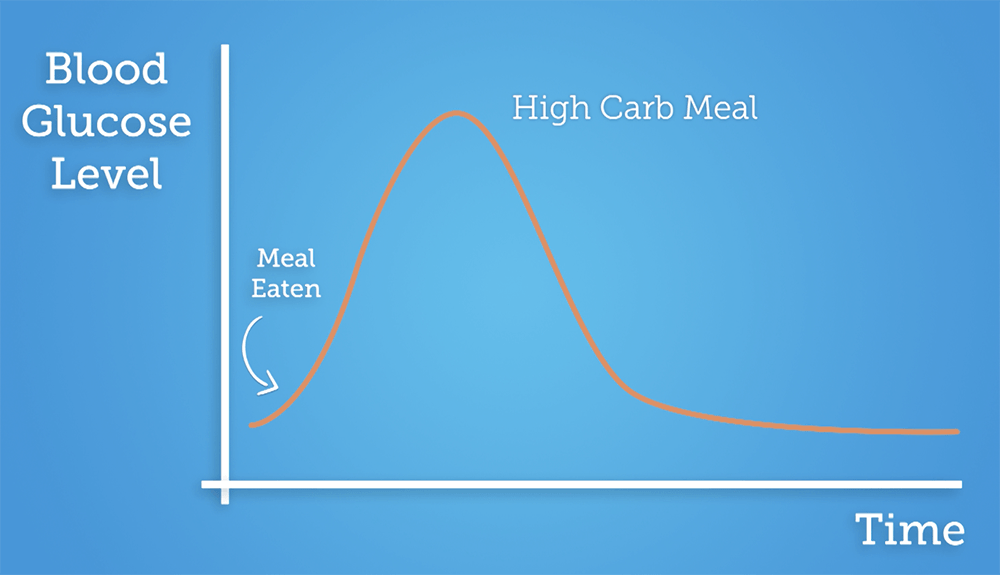
Festive foods are often higher in carbs, fat, sugar, and calories than everyday meals. Late nights, alcohol, reduced activity, and stress can all affect blood glucose levels. For people with type 1, mismatched insulin doses can lead to highs or hypos. For type 2, extra carbs and larger portions can push levels up, especially if you’re on tablets or insulin.
Remember: One or two higher readings won’t ruin your long-term control. Get back on track quickly, don’t beat yourself up, and focus on balance rather than perfection.
Plan ahead: The foundation of a happy diabetes Christmas
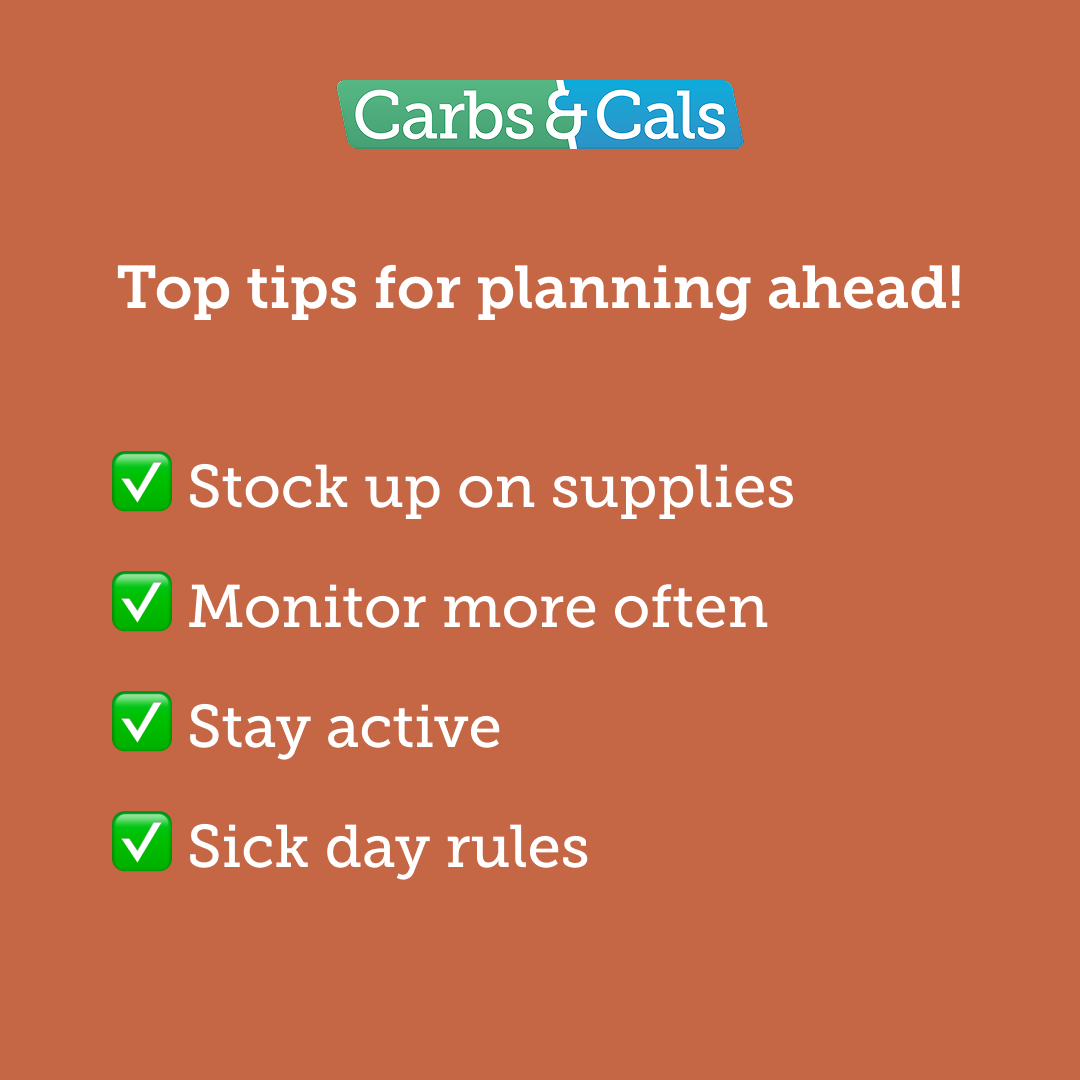
- Stock up on supplies: Make sure you have plenty of test strips, insulin, tablets, glucagon (for type 1), and ketone strips before GP surgeries close.
- Monitor more often: Check blood glucose more frequently, especially after big meals or drinks. If you have type 1 diabetes, and you are trained, you may need to consider taking extra correction doses (be aware of insulin onboard)
- Stay active: A post-dinner walk, dancing to Christmas tunes, or playing games all help use up glucose.
- Sick day rules: Colds and flu are common in winter. Illness can raise blood glucose even if you’re eating less. Follow your usual sick day plan and contact NHS 111 if needed.
Christmas carb counting: Your superpower
Carbs & Cals was made for exactly this!
Accurate carb counting is especially important for anyone with type 1 diabetes. Christmas meals are rarely “standard” portions, so use the visual portion guides in the Carbs & Cals books or app. They show real food photos with carb and other nutrient values. If you have the app you can also try the new Food Scanner to get a quick carb estimate.
Here are approximate carb values for common Christmas foods, to help you plan a low carb Christmas (per typical portion – always double-check labels or the app!):
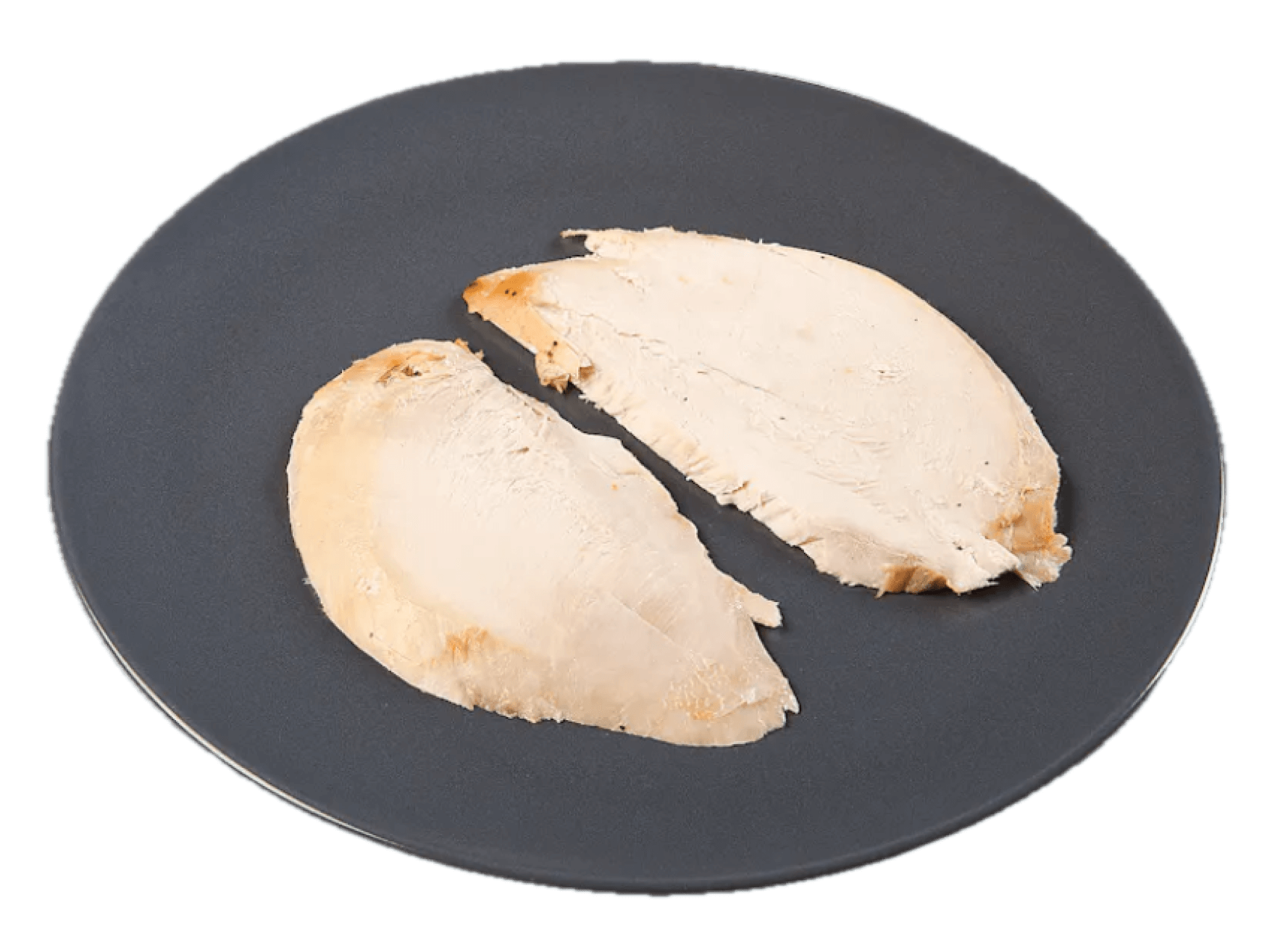
0g
Carbs
Roast Turkey (without skin)
Weight = 15og
Carbs = 0g / Cals = 230
Protein = 51g / Fibre = 0g
Fat = 3g / Sat Fat = 1g
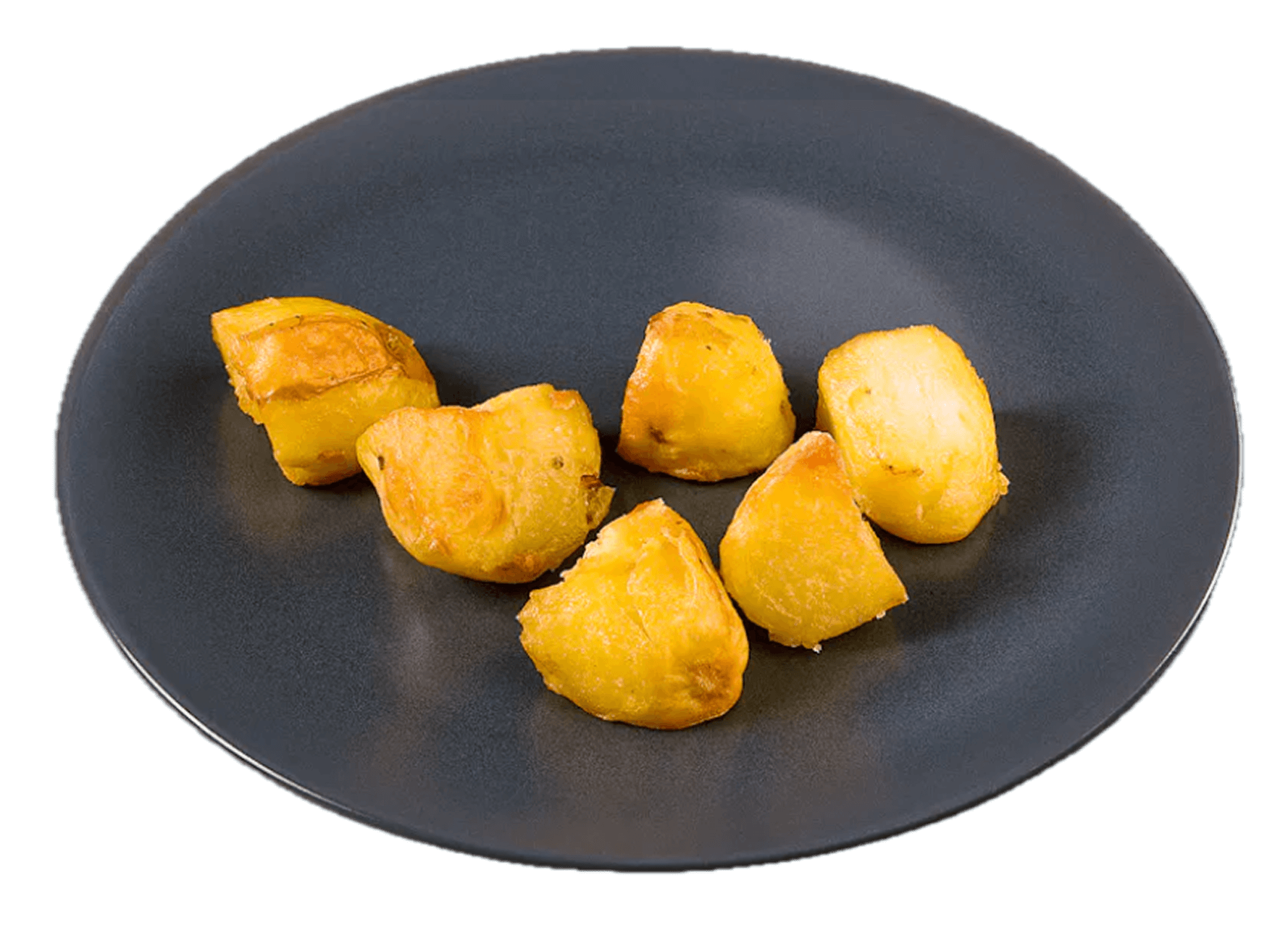
41g
Carbs
Roast Potatoes (in oil)
Weight = 155g
Carbs = 41g / Cals = 250
Protein = 4g / Fibre = 4g
Fat = 9g / Sat Fat = 1g
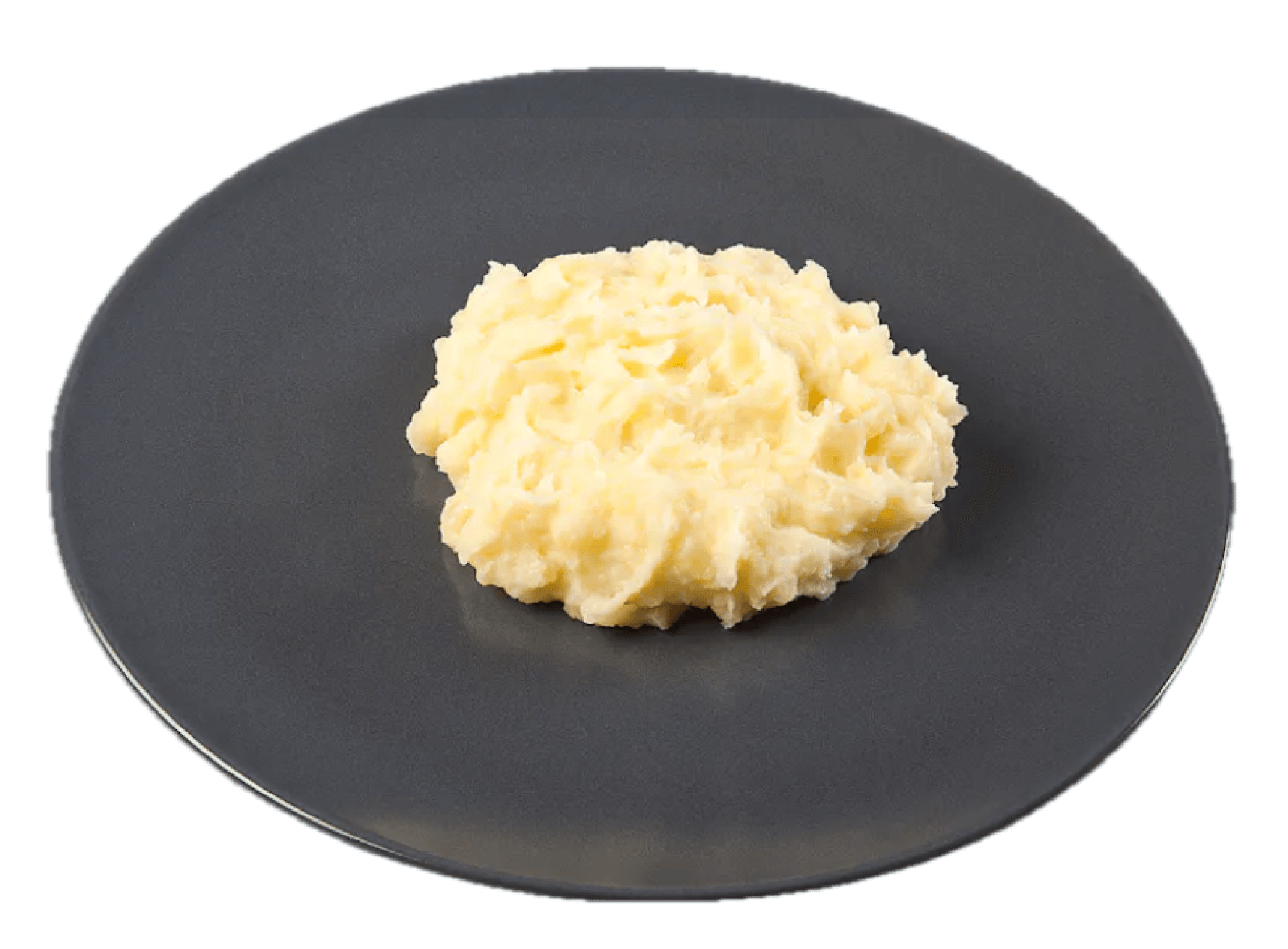
41g
Carbs
Mashed Potato
Weight = 235g
Carbs = 41g / Cals = 174
Protein = 4g / Fibre = 4g
Fat = 0.2g / Sat Fat = 0g
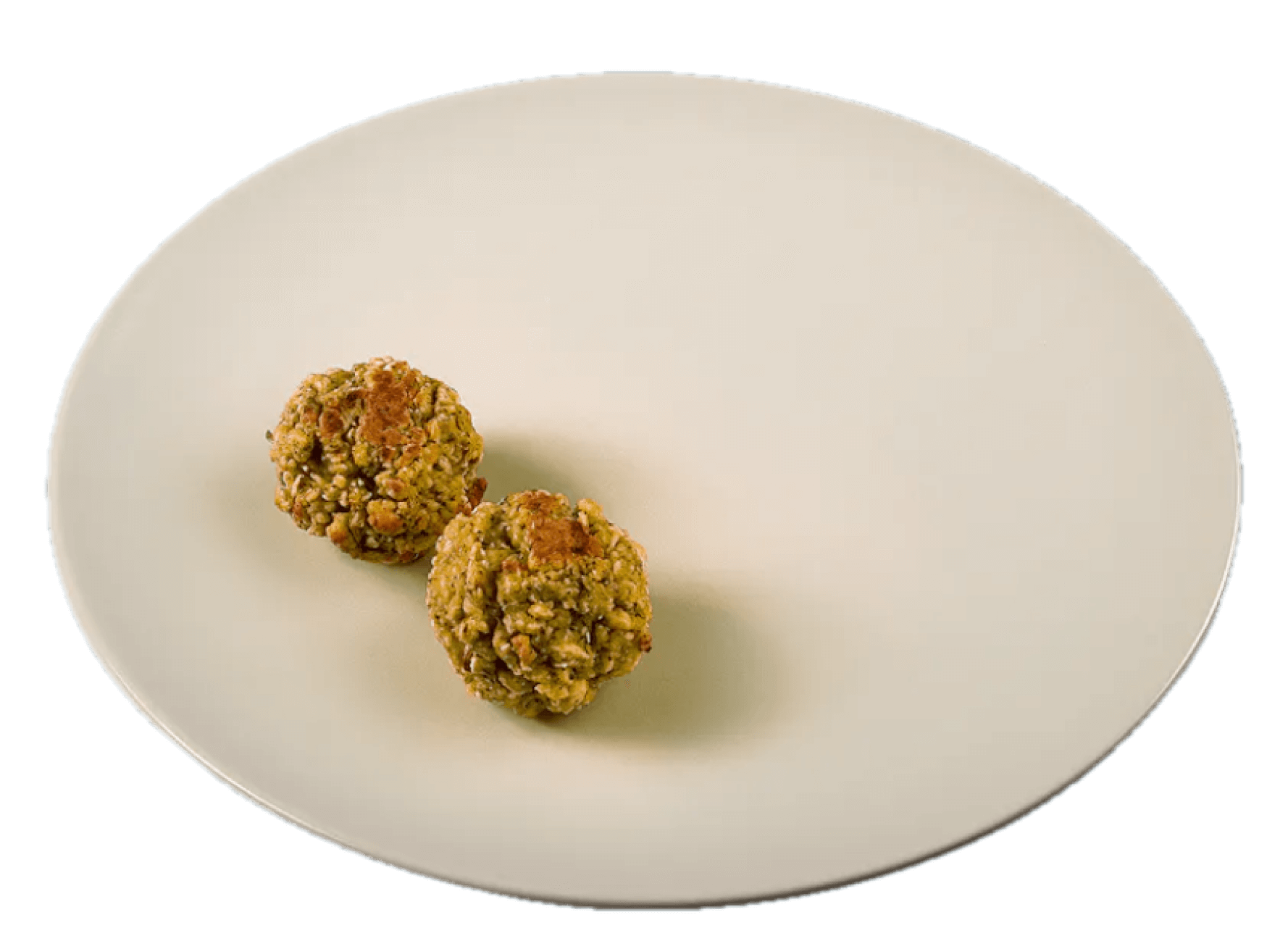
13g
Carbs
Stuffing (packet mix)
Weight = 65g
Carbs = 13g / Cals = 63
Protein = 2g / Fibre = 1g
Fat = 1g / Sat Fat = 1g
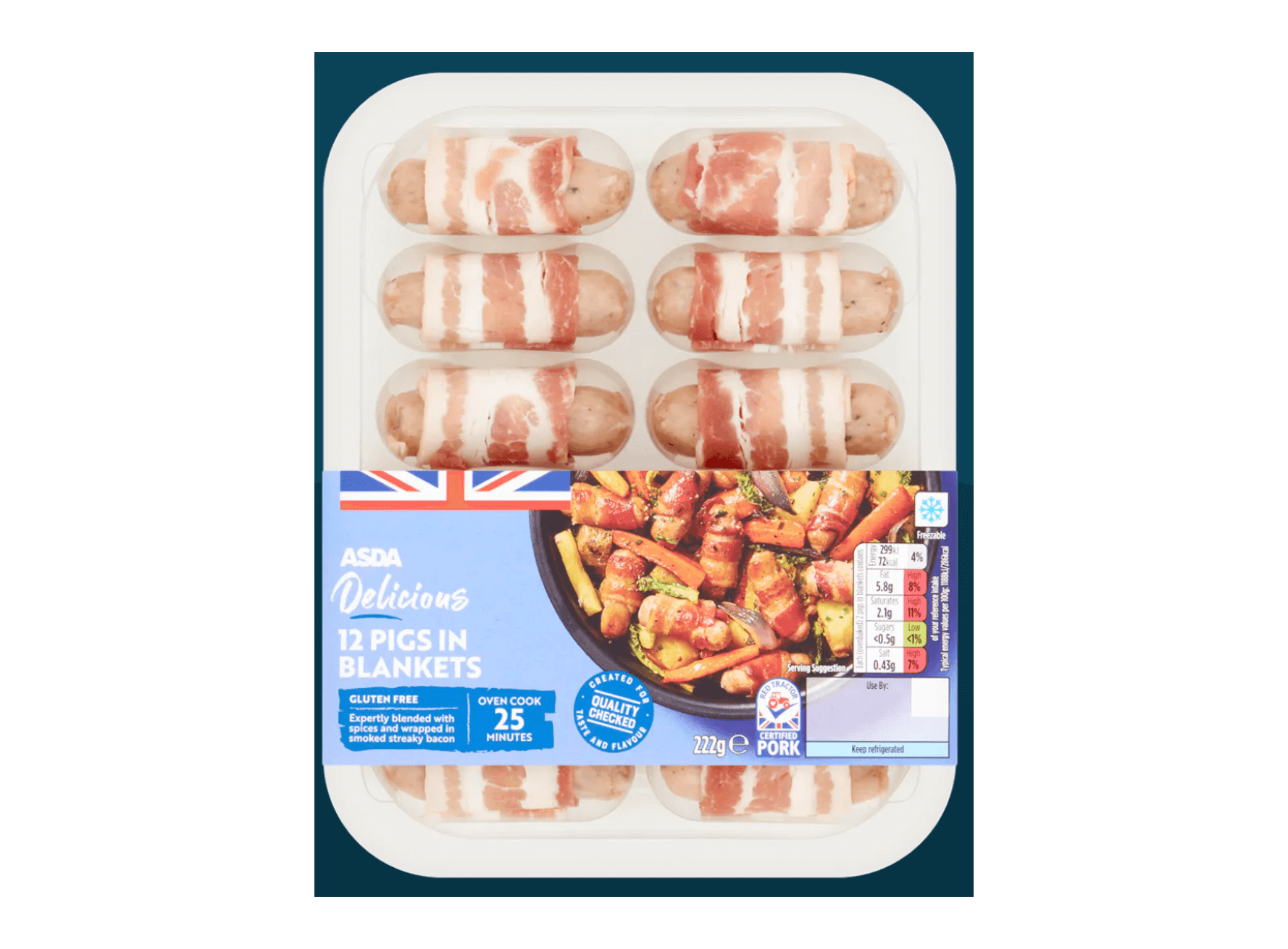
1g
Carbs
Pigs in Blankets (2)
Weight = 30g
Carbs = 1g / Cals = 95
Protein = 5g / Fibre = 1g
Fat = 8g / Sat Fat = 3g
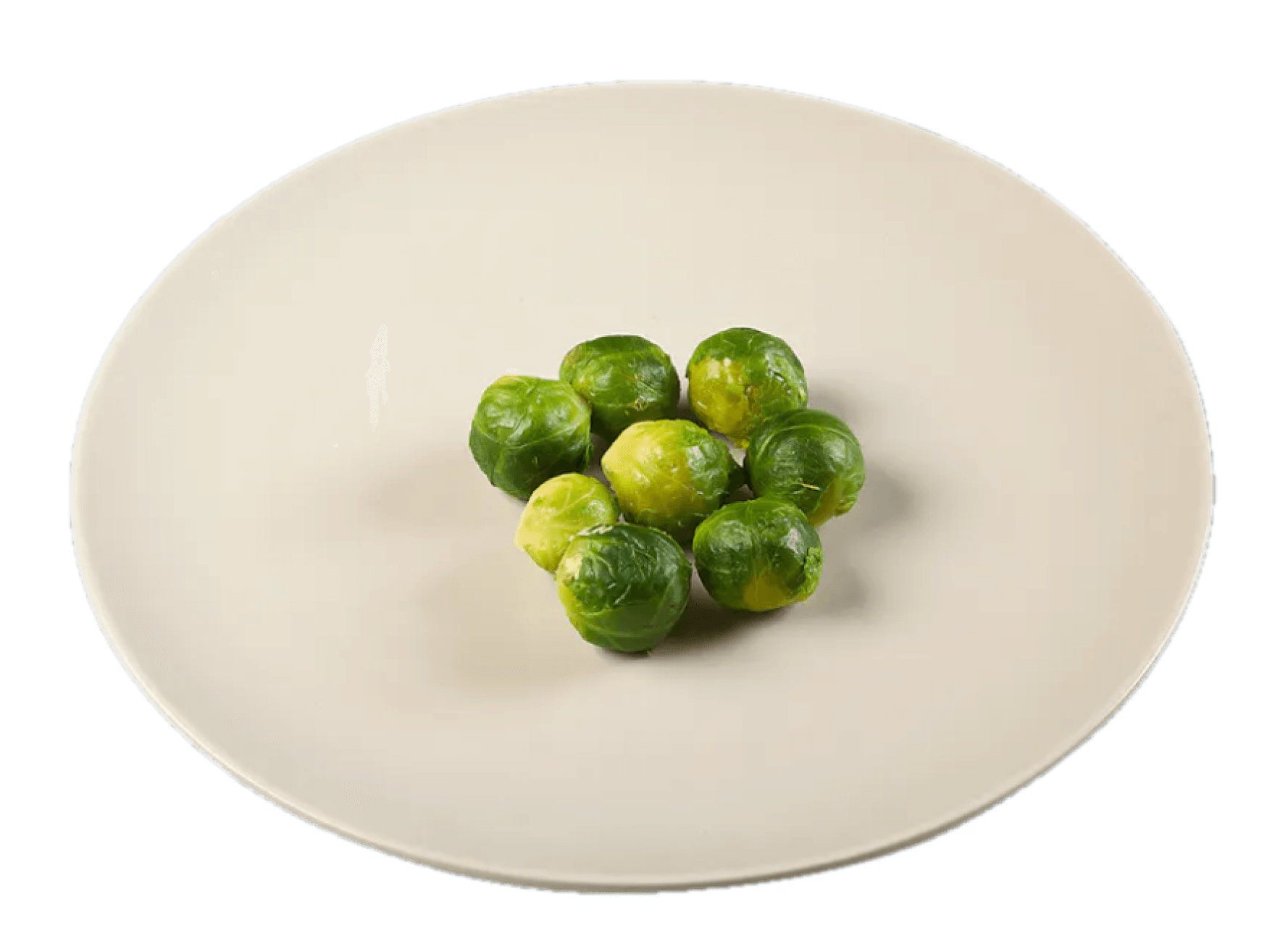
3g
Carbs
Brussels Sprouts (boiled)
Weight = 80g
Carbs = 3g / Cals = 28
Protein = 2g / Fibre = 3g
Fat = 1g / Sat Fat = 0g
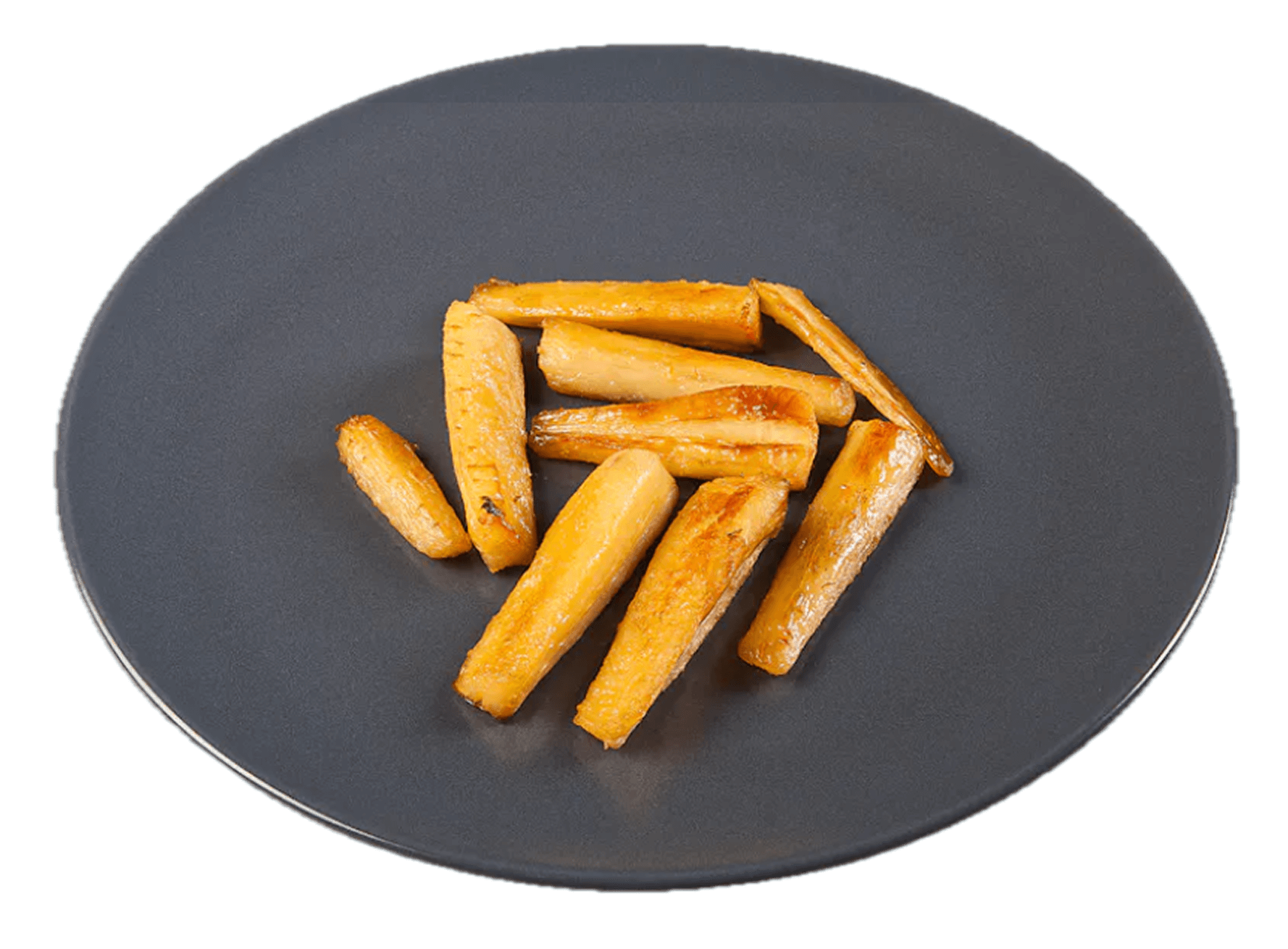
15g
Carbs
Parsnips (roasted in oil)
Weight = 80g
Carbs = 15g / Cals = 125
Protein = 1g / Fibre = 3g
Fat = 6g / Sat Fat = 4g

5g
Carbs
Gravy
Weight = 115g
Carbs = 5g / Cals = 35
Protein = 0g / Fibre = 0g
Fat = 1g / Sat Fat = 1g
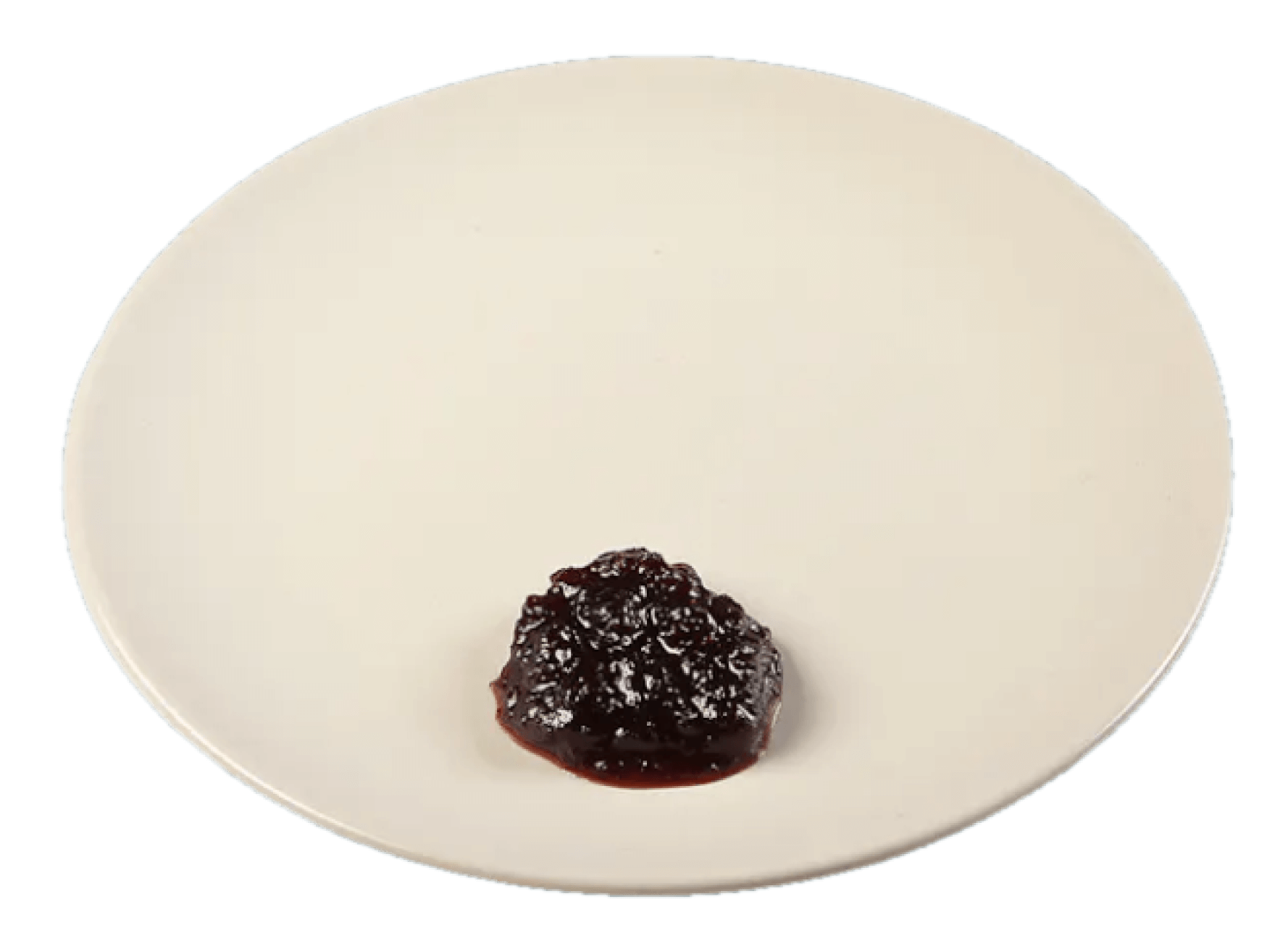
8g
Carbs
Cranberry Sauce
Weight = 20g
Carbs = 8g / Cals = 30
Protein = 0g / Fibre = 0g
Fat = 0g / Sat Fat = 0g
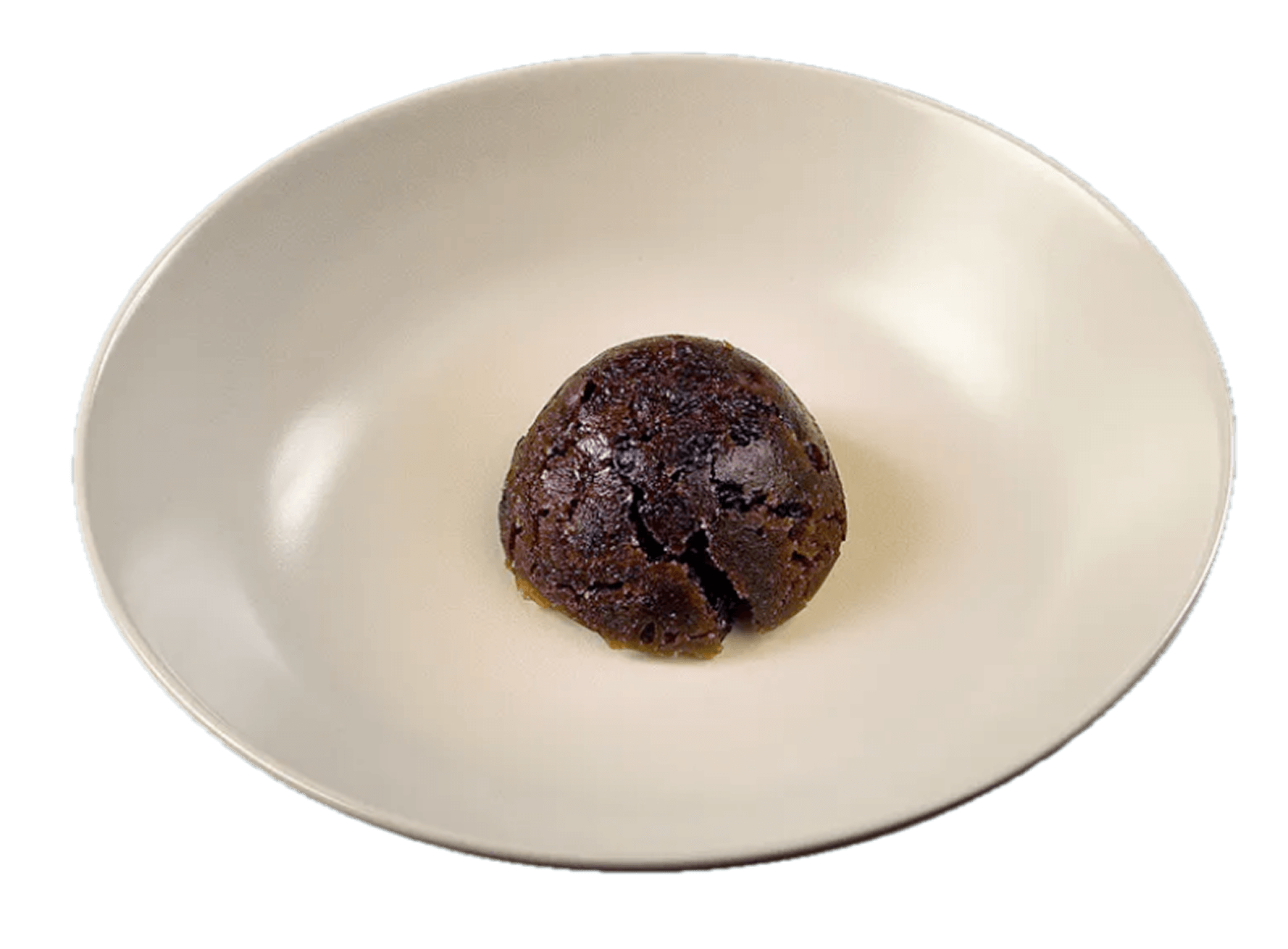
60g
Carbs
Christmas Pudding
Weight = 106g
Carbs = 60g / Cals = 302
Protein = 3g / Fibre = 4g
Fat = 7g / Sat Fat = 4g
26g
Carbs
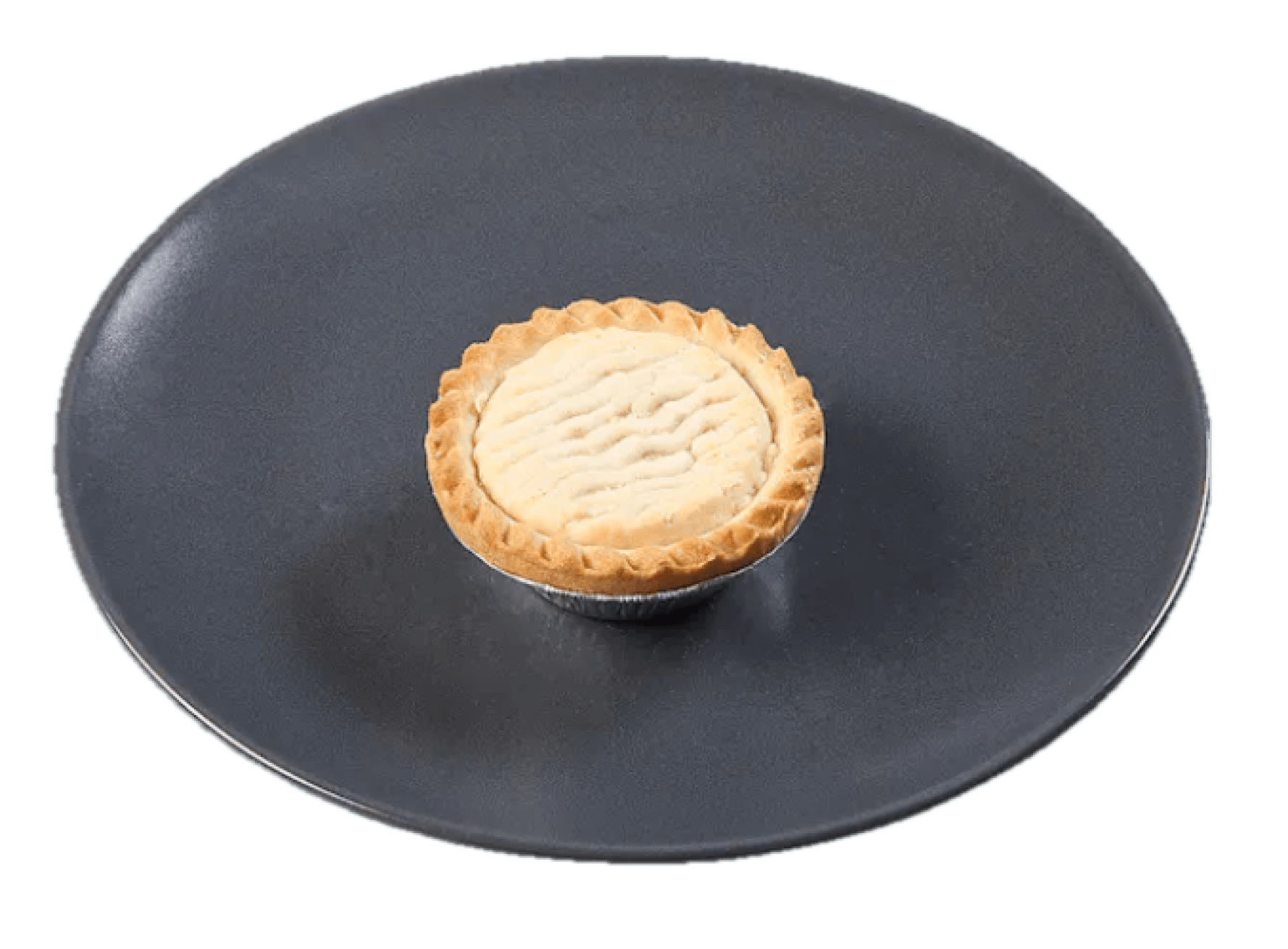
Mince Pie
Weight = 42g
Carbs = 26g / Cals = 158
Protein = 2g / Fibre = 1g
Fat = 6g / Sat Fat = 3g

36g
Carbs
Yule Log
Weight = 87g
Carbs = 36g / Cals = 310
Protein = 4g / Fibre = 1g
Fat = 16g / Sat Fat = 11g
* If you have type 1 diabetes and match insulin to carbs, certain foods may not need to be counted due to their very slow release, preparation and high fibre content.
Pro tip for type 1/pump users: Christmas dinner is high-fat and high-protein. If you have had training on how to do so, you may wish to consider taking an increased amount of insulin as a bolus (up to 40% pre-meal). This is because a high-protein (over 40g) and high-fat (over 30g) meal can mean you need additional insulin.
Smart swaps to keep carbs lower at Christmas
The festive period can be a time of higher carb meals, often over a number of days. Many people may be following a lower carbs approach to help manage blood glucose levels.
You don’t have to miss out. Just tweak the classics:
Traditional High-Carb Item
Lower-Carb Swap
Carb Saving
41g
Carbs
Roast Potatoes (in oil)
Weight = 155g
Carbs = 41g / Cals = 250
Protein = 4g / Fibre = 4g
Fat = 9g / Sat Fat = 1g
2g
Carbs
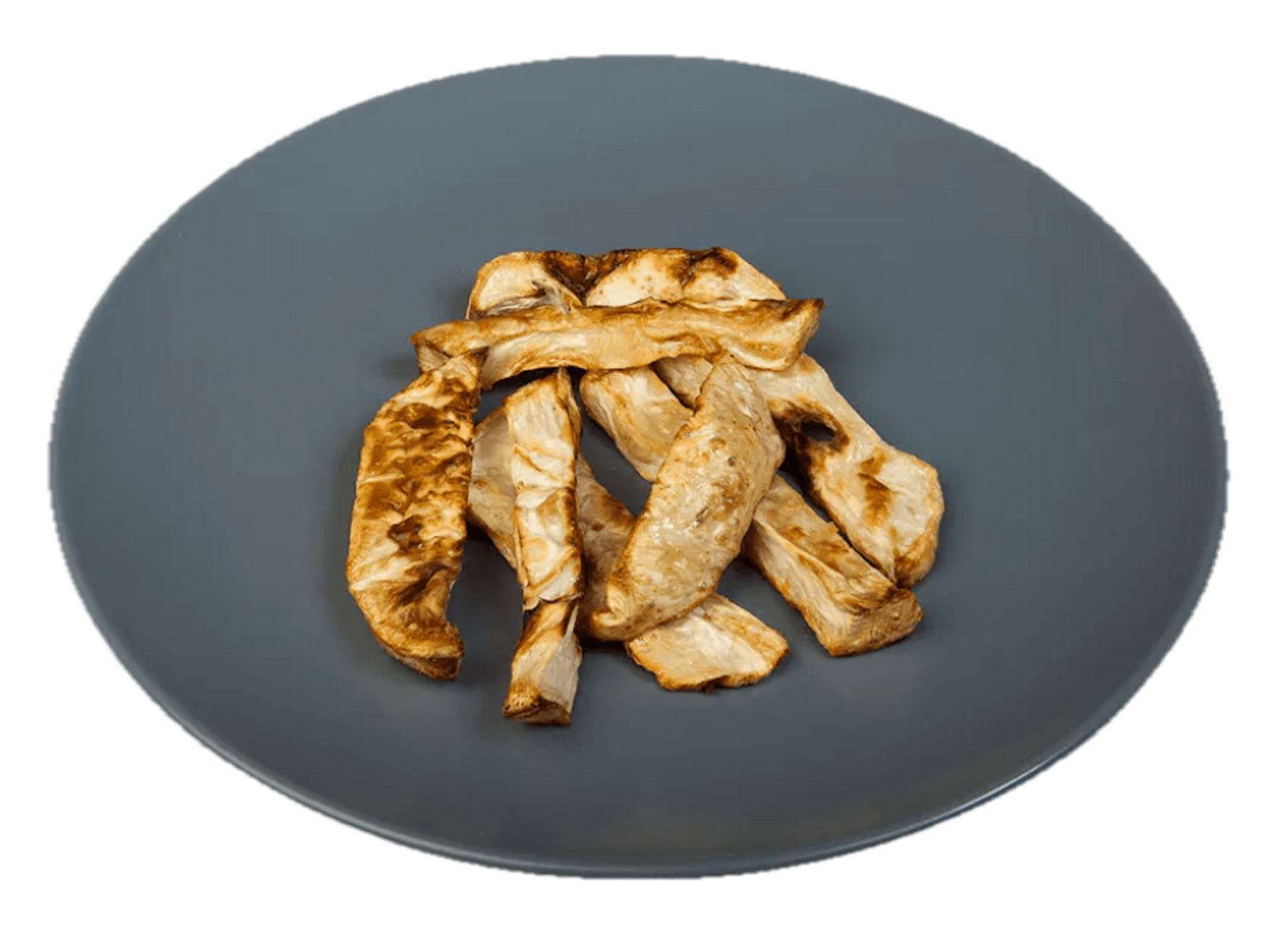
Celeriac (baked, no oil)
Weight = 80g
Carbs = 2g / Cals = 19
Protein = 1g / Fibre = 5g
Fat = 0g / Sat Fat = 0g
39g Carb Saving!
41g
Carbs
Mashed Potato
Weight = 235g
Carbs = 41g / Cals = 174
Protein = 4g / Fibre = 4g
Fat = 0.2g / Sat Fat = 0g

5g
Carbs
Cauliflower Mash
Weight = 155g
Carbs = 5g / Cals = 45
Protein = 3g / Fibre = 3g
Fat = 1g / Sat Fat = 0g
36g Carb Saving!
60g
Carbs
Christmas Pudding
Weight = 106g
Carbs = 60g / Cals = 302
Protein = 3g / Fibre = 4g
Fat = 7g / Sat Fat = 4g

7g
Carbs
Mixed Berries with Yogurt (natural)
Weight = 110g (73g fruit, 37 yogurt)
Carbs = 7g / Cals = 49
Protein = 3g / Fibre = 3g
Fat = 1g / Sat Fat = 1g
53g Carb Saving!
10g
Carbs
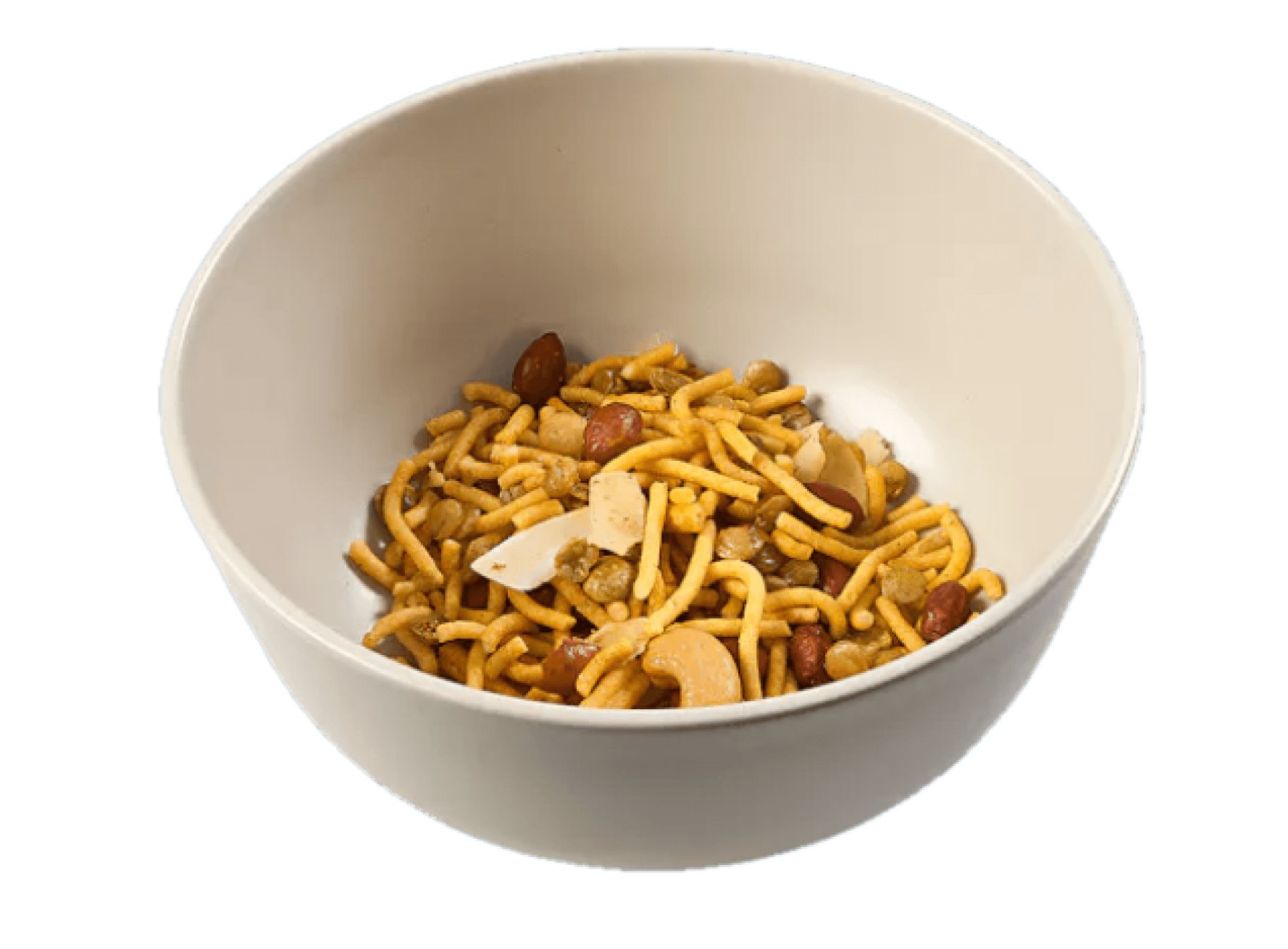
Bombay Mix
Weight = 28g
Carbs = 10g / Cals = 141
Protein = 5g / Fibre = 3g
Fat = 9g / Sat Fat = 1g
2g
Carbs
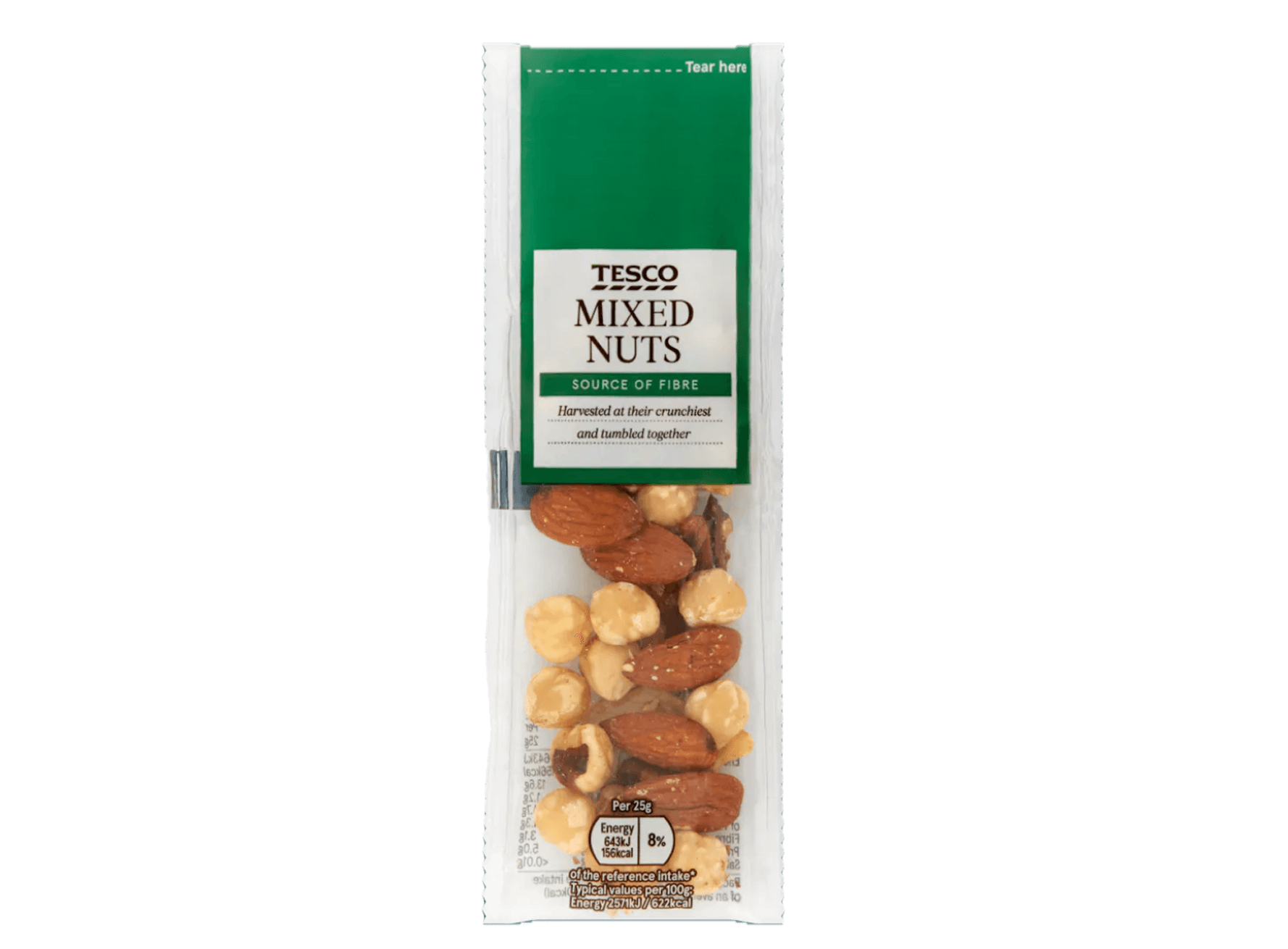
Mixed Nuts
Weight = 25g
Carbs = 2g / Cals = 156
Protein = 5g / Fibre = 3g
Fat = 14g / Sat Fat = 1g
8g Carb Saving!
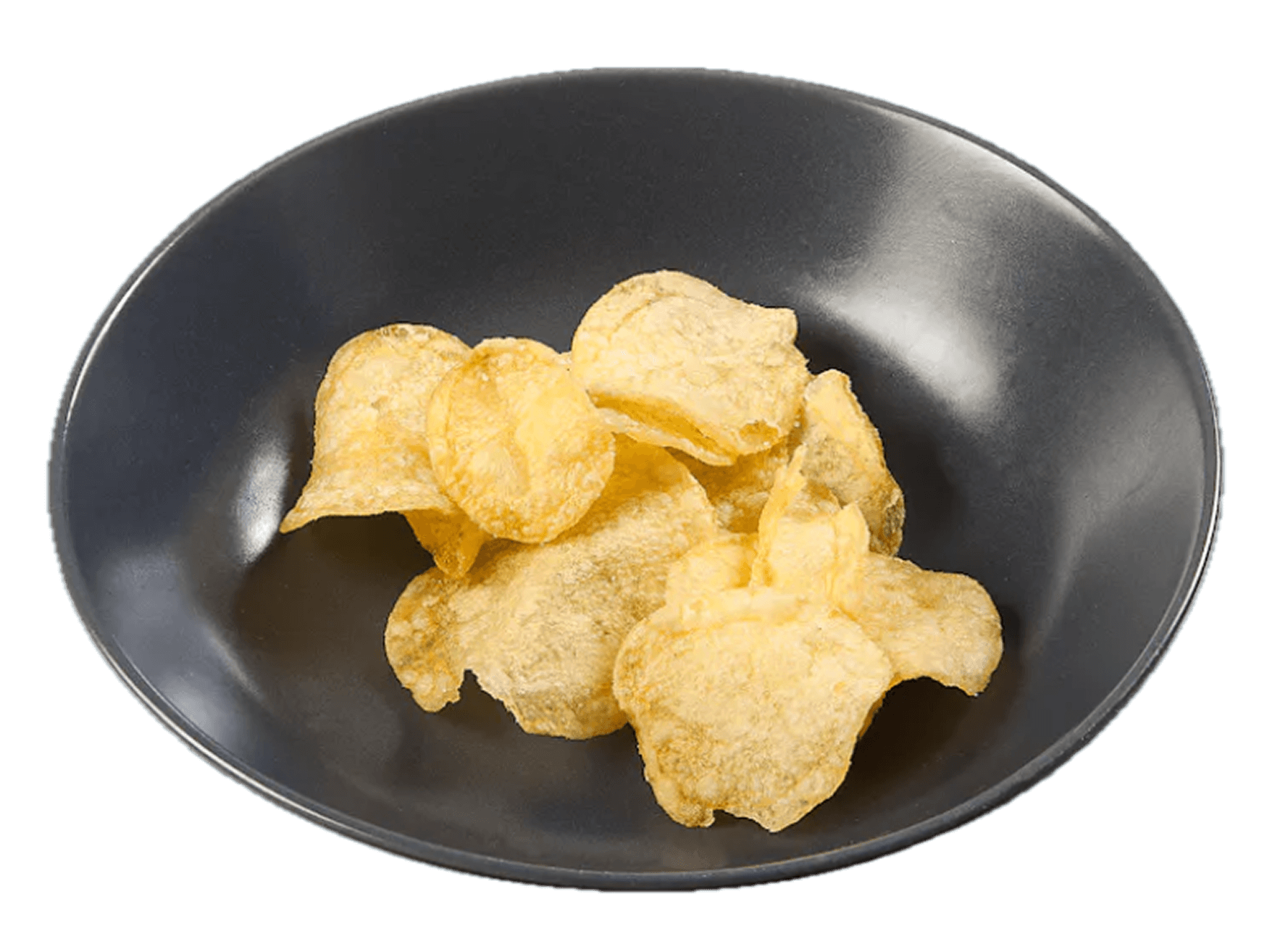
16g
Carbs
Crisps
Weight = 28g
Carbs = 16g / Cals = 138
Protein = 2g / Fibre = 1g
Fat = 8g / Sat Fat = 1g
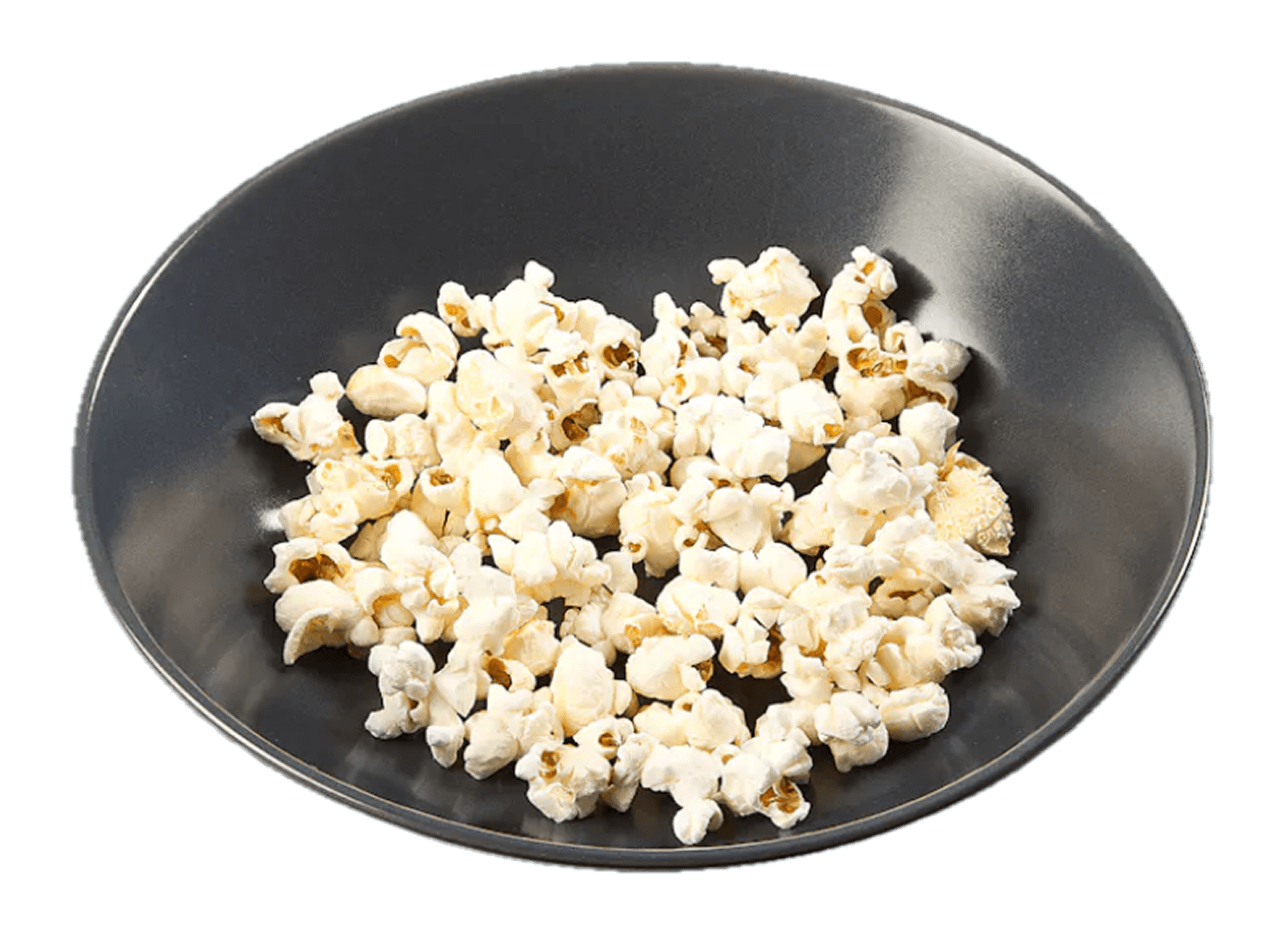
6g
Carbs
Popcorn (salted)
Weight = 10g
Carbs = 6g / Cals = 47
Protein = 1g / Fibre = 1g
Fat = 2g / Sat Fat = 0g
10g Carb Saving!
Fill half your plate with non-starchy veg (sprouts, broccoli, green beans, red cabbage) – they’re virtually carb-free and help you feel full.
Alcohol and diabetes: Enjoy safely
Alcohol can cause delayed hypos (especially in type 1) because the liver is busy processing alcohol instead of releasing stored glucose.
Guidelines:
- Not to regularly drink more than 14 units a week.
- If you regularly drink as much as 14 units per week, it’s best to spread your drinking over three or more days.
- Don’t drink on an empty stomach, eat carbs when drinking.
- Avoid sugary mixers, cocktails, sweet wines, or liqueurs.
Better choices:
- Dry wine, prosecco, champagne (≈2–3g carbs per glass).
- Spirits + diet/sugar-free mixer (0 carbs).
- Light / alcohol free beer or slimline tonic.
Safety tips:
- Always carry hypo treatment.
- Have / wear diabetes ID.
- Tell friends you have diabetes if you are out drinking.
- Have a carb snack before bed.
- Check glucose before sleep and set an alarm for 2–3am if you’ve drunk heavily.
- If you take insulin you may need to lower the dose (discuss with your diabetes team if unsure how to do this).
- Be cautious about taking a correction dose of insulin if you have been drinking as it may increase the risk of a hypo.

2g
Carbs
Prosecco
125ml
Carbs = 2g / Cals = 84

11g
Carbs
Irish Cream
50ml
Carbs = 11g / Cals = 153
Christmas is all about enjoying yourself!
- Eat slowly and mindfully – it can take 20 minutes to feel full.
- Use a smaller plate to naturally control portions.
- Prioritise protein and veg first, then carbs.
- Save your “carb budget” for the foods you really love (e.g. one mince pie)
- If levels run high for a day or two – consider taking a correct dose (if you know how to do this, and take insulin). A few days with slightly higher blood glucose levels won’t undo a year of more balanced blood glucose levels.
To make festive food choices a little easier, we’ve also created a FREE Christmas Food Carb Guide.
It’s packed with clear, visual portion photos of classic seasonal foods. Whether you’re counting carbs, supporting someone with diabetes, or simply want to stay mindful over the holidays, this handy guide gives you quick, reliable carb counts for all your Christmas favourites.
Download it now and keep it on your phone for easy reference throughout the season.

Final thought: Be kind to yourself and have fun
Christmas is about connection, laughter, and making memories. Not perfect glucose traces. A few higher readings are normal and won’t harm you long-term if you get back to routine afterwards.
Use your Carbs & Cals tools, plan a little, relax a lot, and have a wonderful festive period.
From all the team at Carbs & Cals we wish you a very Merry Christmas
Want to Count Carbs on the Go?
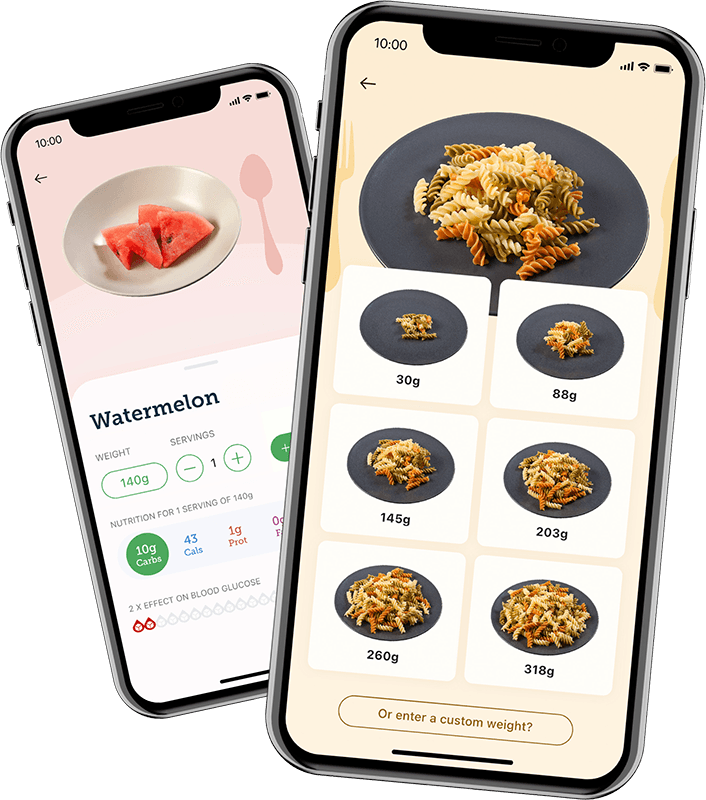
Download the Carbs & Cals Mobile App
The award-winning Carbs & Cals mobile app is the only diet-tracking app that features food and drink photos.
- Search 272,000+ food & drink photos.
- Scan barcodes, snap labels or take a picture of the food on your plate with the Unified Food Scanner.
- Log meals and snacks with accurate carb and calorie info.
- Customise your nutrient view to focus on what matters most.
- Track your nutrients and set goals to stay on track.
At home or on the go, the Carbs & Cals app lets you count carbs and enjoy your food with confidence.


Want to Learn More?
Grab a Copy of Carb & Calorie Counter
The multi-award-winning Carb & Calorie Counter book is your definitive, expert-approved guide to carb and calorie counting.
- Over 1700+ high-quality food photos
- Up to six portion sizes per food
- At-a-glance carbs and key nutrients
- The Original #1 Bestseller
With the “Carb-Counting Bible”, a single flick of the page is all you need to plan nutritious, carb-counted meals.
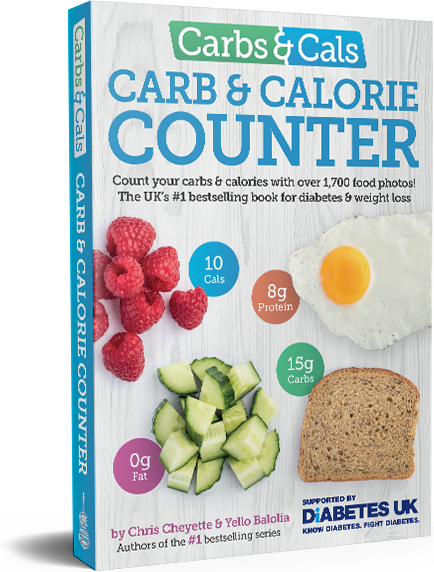
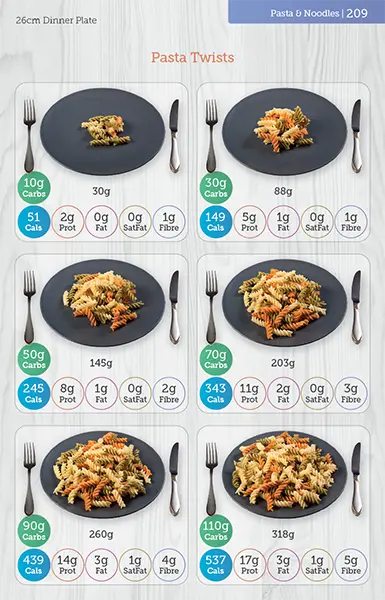
Contains hundreds of food photos that makes carb counting easy!
Sign up to the Carbs & Cals mailing list
Want to learn more about carb counting and the role of food in managing your health? Sign up to our mailing list!