If you’re living with diabetes, looking after your heart matters as much as managing your blood glucose. That goes for both type 1 and type 2.
Diabetes raises your risk of cardiovascular disease (CVD), which is why a cholesterol check is part of your annual review. The good news is that one of the simplest food changes you can make for your heart is eating more omega-3.
Here’s what UK guidelines say, how to hit the target through food, and why a fish-oil capsule from the pharmacy isn’t the answer.
What is omega-3, exactly?
Omega-3 is a family of healthy polyunsaturated fats. The two types worth knowing are:
- ALA (alpha-linolenic acid). Found in plant foods like walnuts, chia seeds, hemp seeds, linseeds and rapeseed oil. Your body converts only a small amount of ALA into the longer-chain omega-3s.
- EPA and DHA. The long-chain omega-3s found mostly in oily fish. These are the ones most strongly linked to heart and brain health.
Your body can’t make meaningful amounts of EPA and DHA on its own, so your diet is the main source. Diabetes UK lists oily fish among the foods that help protect your heart, noting that the omega-3 fats they contain “have been shown to be beneficial in the prevention and management of CVD.”
What the UK guidelines actually say
The NHS Eatwell guidance applies to people with diabetes too:
“A healthy, balanced diet should include at least 2 portions of fish a week, including 1 of oily fish. A portion is around 140g (4.9oz).”
Diabetes UK goes a step further on its cholesterol page, recommending two portions of oily fish a week specifically for people with diabetes.
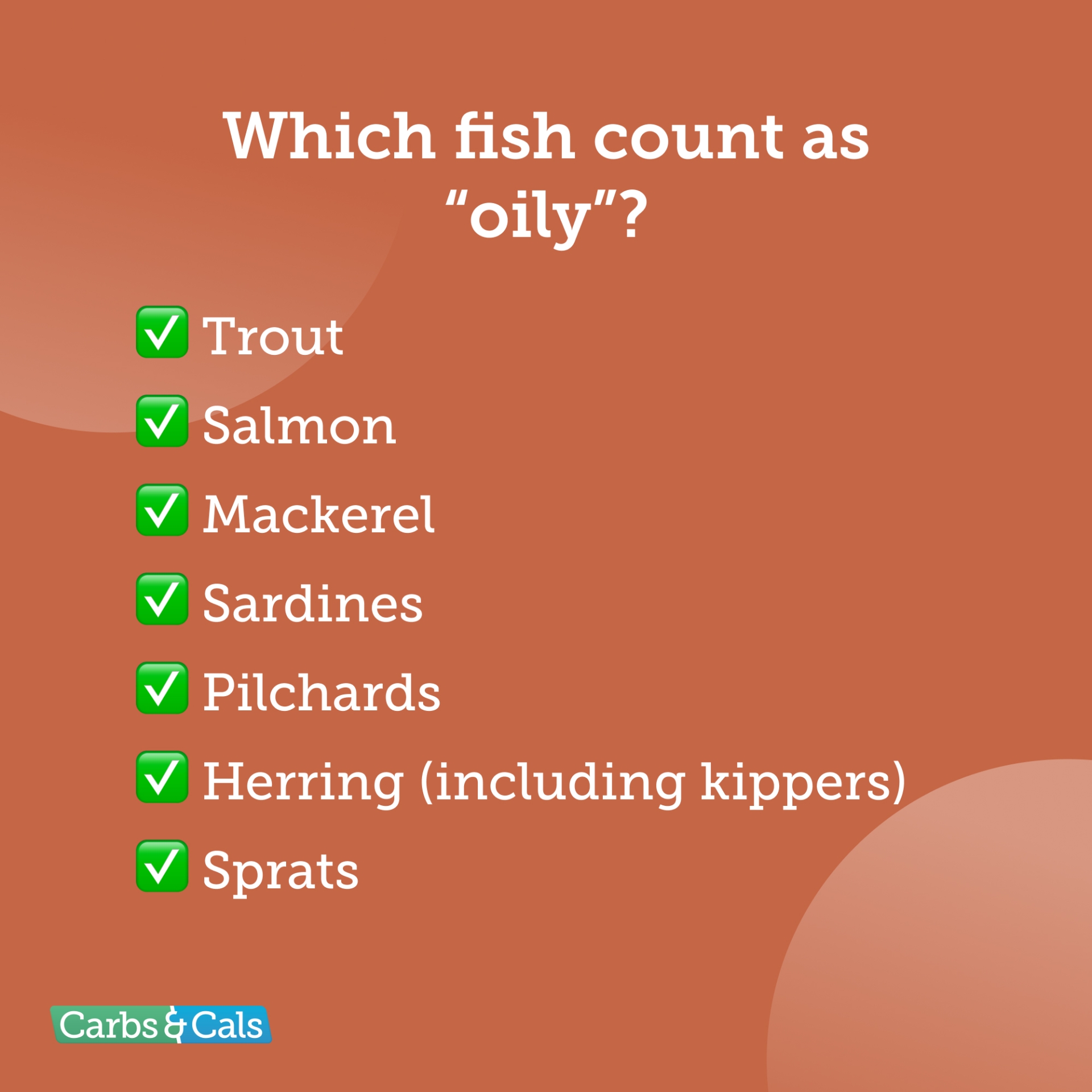
Which fish count as “oily”?
According to the NHS:
- Trout
- Salmon
- Mackerel
- Sardines
- Pilchards
- Herring (including kippers)
- Sprats
One thing that surprises a lot of people: the NHS says fresh and canned tuna doesn’t count as oily fish. Tuna is still a healthy, lean source of protein. It just shouldn’t be your weekly oily-fish portion.
A note for women of childbearing age
The NHS advises that girls, women who are pregnant or breastfeeding, and women who may want a baby in the future should have no more than 2 portions of oily fish per week, because low levels of pollutants in oily fish can build up over time.
How to hit the Omega-3 target practically
You don’t need to overthink it. A few easy ways to fit in your two portions a week:
- Tinned sardines, pilchards or sprats on wholegrain toast. Cheap, store-cupboard friendly and ready in minutes.
- Rainbow trout fillet baked with vegetables for an easy dinner.
- Tinned salmon in a salad or fishcakes. The soft, edible bones are an excellent source of calcium and phosphorus.
- Frozen fish fillets are usually cheaper than fresh and just as nutritious. Keep a few in the freezer.
Diabetes UK suggests choosing tinned fish in water or tomato sauce rather than brine (to keep salt down), and cooking by grilling, baking or poaching rather than frying.
If you don’t eat fish
Plant sources include walnuts, flaxseeds (linseeds), chia seeds, rapeseed oil and green leafy vegetables. Both Diabetes UK and the BDA note that plant-based omega-3 isn’t thought to give the same heart benefits as EPA and DHA from oily fish.
Eat these foods regularly, and consider omega-3-enriched eggs, milks or spreads. Algae-based supplements are an option for vegans. Ask a registered dietitian for advice on dose.
Why supplements aren’t recommended
This is the bit that surprises a lot of people. If oily fish is good for your heart, surely a fish-oil capsule should be too? The current UK position is clear:
NICE (the body that sets NHS guidelines) states in its cardiovascular disease guideline (NG238, 2023):
“Do not offer omega 3 fatty acid compounds to prevent CVD.”
This applies to people with type 1 and type 2 diabetes. NICE also instructs clinicians to
“tell people that there is no evidence that omega 3 fatty acid compounds help to prevent CVD.”
The British Dietetic Association echoes this:
“Omega-3 supplements are not recommended in the UK general population. This is because evidence of benefits is inconclusive.”
A couple of extra cautions:
Fish-liver oils (like cod liver oil) are high in vitamin A. The Scientific Advisory Committee on Nutrition (SACN) advises that total vitamin A from food and supplements combined shouldn’t exceed 1.5mg per day, and pregnant women should avoid them entirely.
Supplements aren’t a substitute for real food. You miss out on the protein, vitamin D, iodine and selenium that fish naturally provides.
The one exception is a prescription-only medicine called icosapent ethyl, which NICE recommends for selected patients with very high triglycerides alongside statin therapy. That’s a clinical decision your GP or specialist will make. It isn’t something to buy off the shelf.
A quick word on sustainability
Some of the oily fish on the supermarket shelf come from healthier stocks than others, and the picture changes from year to year.
The simplest shortcut when you shop is the blue MSC (Marine Stewardship Council) tick on the label, which means the fish comes from a certified sustainable fishery. For more details, the Marine Conservation Society’s free Good Fish Guide rates UK seafood from green (Best Choice) to red (Fish to Avoid).
At the time of writing, MSC-certified sardines from Cornwall and herring from the North Sea or eastern English Channel are both rated Best Choice. North-East Atlantic mackerel, by contrast, has been downgraded to red because of overfishing, and several major UK retailers have stopped stocking it.
Swapping in tinned sardines or herring while stocks recover is an easy, lower-cost way to keep eating oily fish without contributing to the problem.
The bottom line on Omega-3 and diabetes
Aim for two portions of fish a week, with at least one oily. Fresh, frozen and tinned all count.
Save your money on supplements. The evidence simply isn’t there.
If you’re not sure how this fits with the rest of your eating plan, ask your GP for a referral to a registered dietitian, or use the BDA’s Find a Dietitian service.
References
NHS. Fish and shellfish.
Diabetes UK. Fats and diabetes.
Diabetes UK. Cholesterol and diabetes.
Diabetes UK. Your guide to food shopping for diabetes.
NICE (2023). Cardiovascular disease: risk assessment and reduction, including lipid modification (NG238), Section 1.12.
British Dietetic Association (2021). Omega-3 Food Fact Sheet.
Want to Count Carbs on the Go?
Download the Carbs & Cals Mobile App
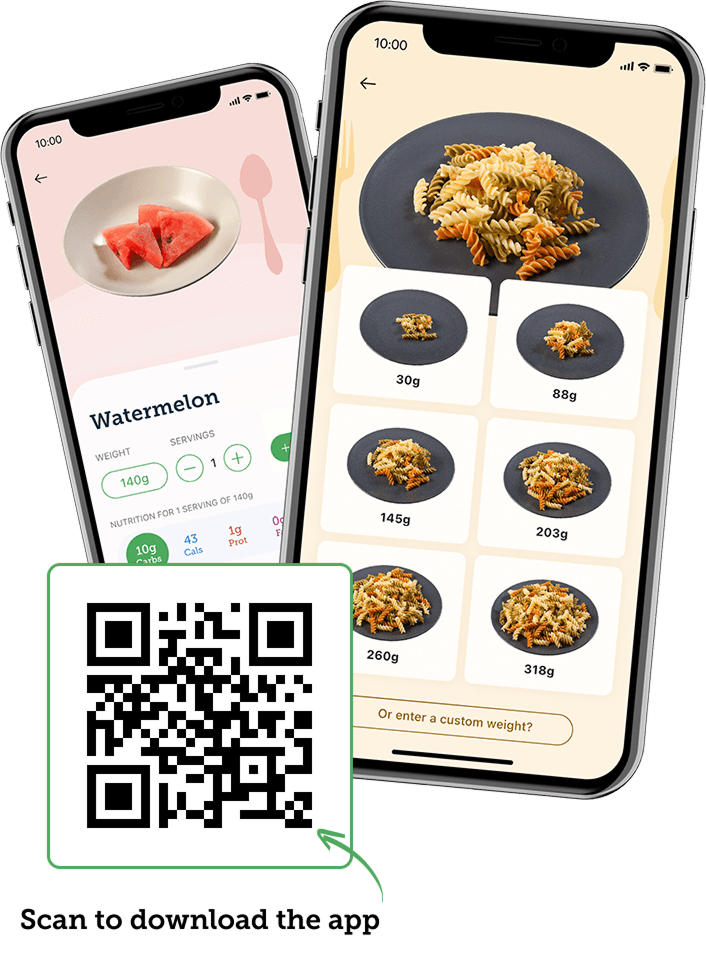
The award-winning Carbs & Cals mobile app is the only diet-tracking app that features food and drink photos.
The Carbs & Cals app can help you:
- Track carbohydrates, protein, fibre, & more.
- Build nutrient-dense meals.
- Understand portion sizes visually.
- Support blood glucose management.
- Monitor your overall nutritional intake.
Carbs & Cals is designed and recommended by registered dietitians and helps make nutrition information easier to understand in real-world eating situations.


Want to Learn More?
Grab a Copy of Carb & Calorie Counter
The multi-award-winning Carb & Calorie Counter book is your definitive, expert-approved guide to carb and calorie counting.
- Over 1700+ high-quality food photos
- Up to six portion sizes per food
- At-a-glance carbs and key nutrients
- The Original #1 Bestseller
With the “Carb-Counting Bible”, a single flick of the page is all you need to plan nutritious, carb-counted meals.
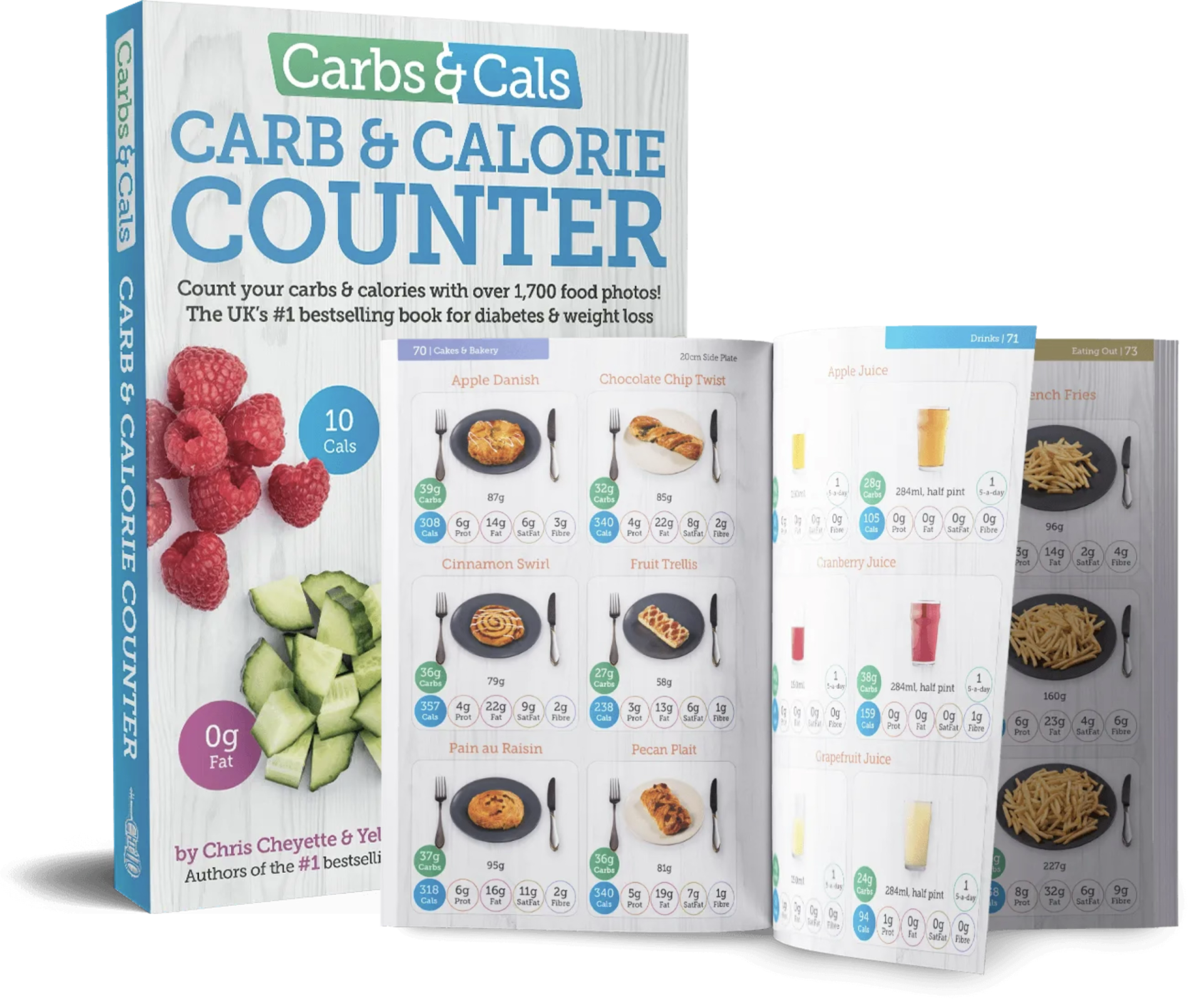
Contains hundreds of food photos that makes carb counting simple!
Sign up to the Carbs & Cals mailing list
Want to learn more about carb counting and the role of food in managing your health? Sign up to our mailing list!