If you’ve been living with diabetes for a while, chances are you’ve heard of the HbA1c blood test. But what is it, exactly, and why does it matter?
Read on to find answers to these questions and more.
HbA1c: Your 3-Month Average Blood Sugar
The HbA1c test (sometimes just called “A1c”) measures glycated haemoglobin — basically, how much glucose (sugar) has attached to your red blood cells over the past 2–3 months. Because red blood cells live for about 12 weeks, higher blood glucose levels mean more glucose sticks to the haemoglobin, and your HbA1c result goes up.
This test doesn’t replace daily blood glucose monitoring; it’s about the big picture, not what’s happening hour-by-hour, but it’s one of the best ways health professionals check overall control over time.
What Do the HbA1c Numbers Mean?
In the UK, HbA1c results are usually given in mmol/mol, though you might still see the old percentage numbers (%). Here’s a rough guide:
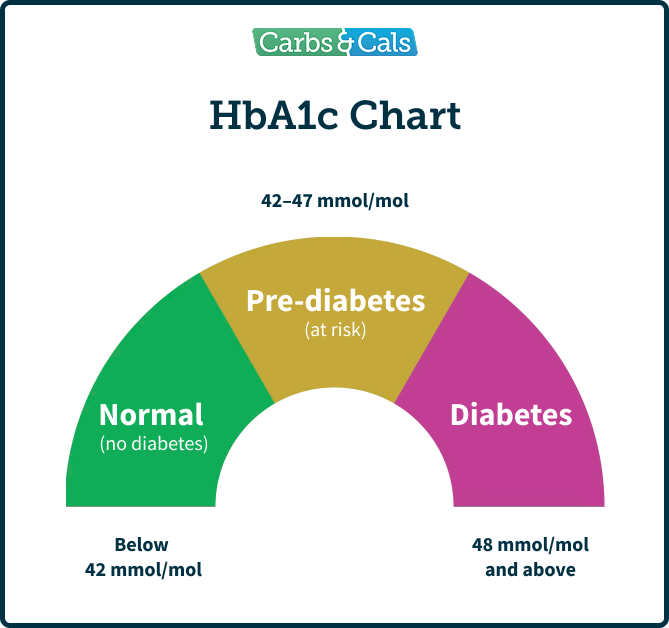
- Normal (no diabetes): below ~42 mmol/mol
- Prediabetes / at risk: ~42–47 mmol/mol
- Diabetes: 48 mmol/mol and above (diagnosis threshold)
For people already living with diabetes, what counts most is your target, which should be agreed with your healthcare team based on your age, medications, type of diabetes, risk of hypos and other individual factors.
UK HbA1c Targets: A Handy Guide
HbA1c targets for type 1 diabetes
Clinical guidelines usually recommend aiming for an HbA1c around 48 mmol/mol (6.5%) or lower to reduce the risk of long-term complications, as long as this can be done safely.
HbA1c targets for type 2 diabetes
Targets tend to be a little broader. A common general aim is around 48–53 mmol/mol (6.5–7.0%) — though some people, especially if they’re older, have other health conditions or are at higher risk of hypos, may have a higher personalised target.
Important: these are guidance ranges, not one-size-fits-all rules. Your individual HbA1c target might be higher or lower depending on what’s right for you — including things like whether you use insulin, how often you go low, and your personal goals. Always discuss your own target with your diabetes team or HCP.
Why More People Are Talking About Time in Range
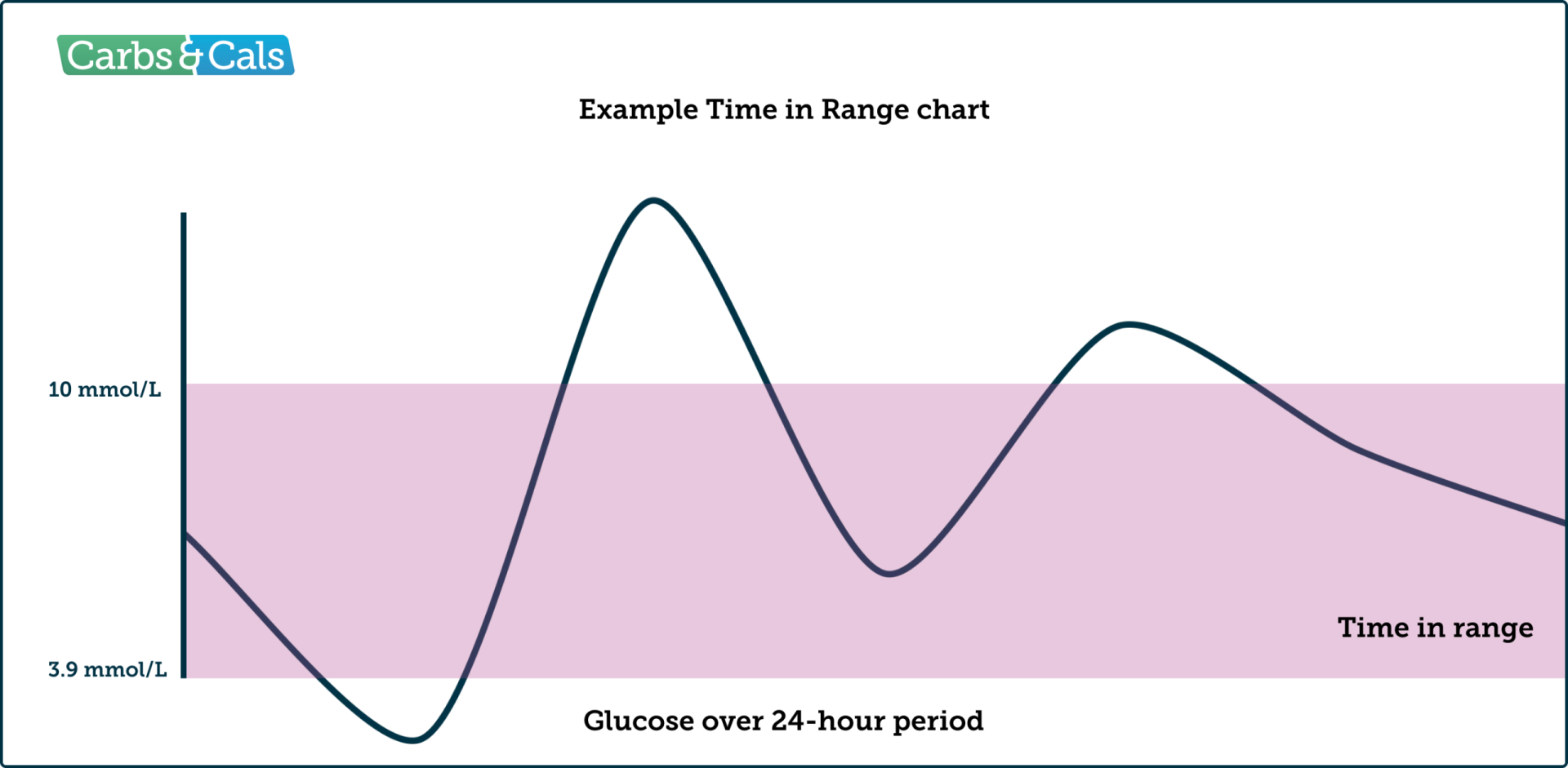
If HbA1c shows your “average” glucose over months, Time in Range (TIR) gives you a sense of how much time your levels are spending in the safe zone day-to-day.
TIR usually looks at the percentage of time your glucose is within a target range. In the UK and internationally, this is usually 3.9–10 mmol/L for most adults with diabetes.
Here’s why it matters:
- Two people can have the same HbA1c but very different day-to-day patterns. One might be constantly swinging between highs and lows, while the other stays comfortably stable. HbA1c doesn’t show that, but TIR does.
- Many people aim to spend at least 70% of the day in range, which roughly equates to an HbA1c of around 53 mmol/mol (7%) — again, with personalisation based on individual needs.
Time in Range gives you immediate feedback and can be especially helpful if you use a Continuous Glucose Monitor (CGM), as it shows daily patterns rather than just a long-term average.
HbA1c vs. Time in Range: Which Is Better?
They’re both useful, and they complement each other.
- HbA1c gives a long-term average and is great for assessing risk of complications over time.
- TIR helps you understand the quality of glucose control day-to-day – where highs and lows happen, and how often.
For many people, using both markers together, HbA1c for the broad picture and TIR for the daily experience, provides the clearest insight into how diabetes management is going.
Bottom Line: Personalised and Practical
The HbA1c test is a useful way to understand your blood glucose levels. However, it’s not the only one. In the UK, clear targets and guidelines help shape goals, but what’s most important is agreeing personalised targets with your healthcare professional based on you, your type of diabetes, lifestyle, treatment and risk profile.
As technology evolves, Time in Range is becoming an equally useful way to understand and improve day-to-day glucose control.
Whether you’re newly diagnosed or have been living with diabetes for many years, knowing what your numbers mean, HbA1c and TIR, and how to work with them can make a big difference to your health and confidence.
Want to Count Carbs on the Go?
Download the Carbs & Cals Mobile App
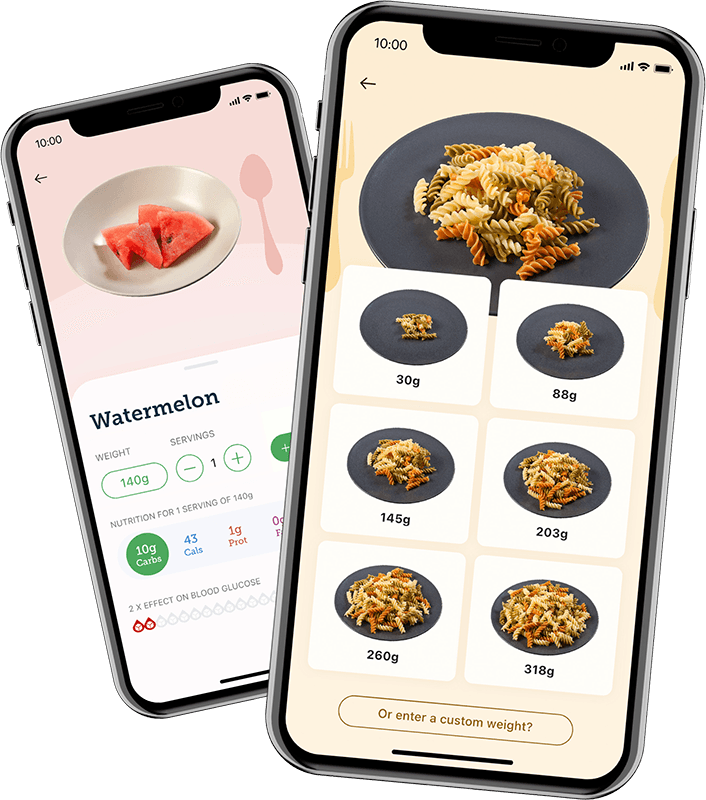
The award-winning Carbs & Cals mobile app is the only diet-tracking app that features food and drink photos.
- Search 272,000+ food & drink photos.
- Scan barcodes, snap labels or take a picture of the food on your plate with the Unified Food Scanner.
- Log meals and snacks with accurate carb and calorie info.
- Customise your nutrient view to focus on what matters most.
- Track your nutrients and set goals to stay on track.
At home or on the go, the Carbs & Cals app lets you count carbs and enjoy your food with confidence.


Want to Learn More?
Grab a Copy of Carb & Calorie Counter
The multi-award-winning Carb & Calorie Counter book is your definitive, expert-approved guide to carb and calorie counting.
- Over 1700+ high-quality food photos
- Up to six portion sizes per food
- At-a-glance carbs and key nutrients
- The Original #1 Bestseller
With the “Carb-Counting Bible”, a single flick of the page is all you need to plan nutritious, carb-counted meals.

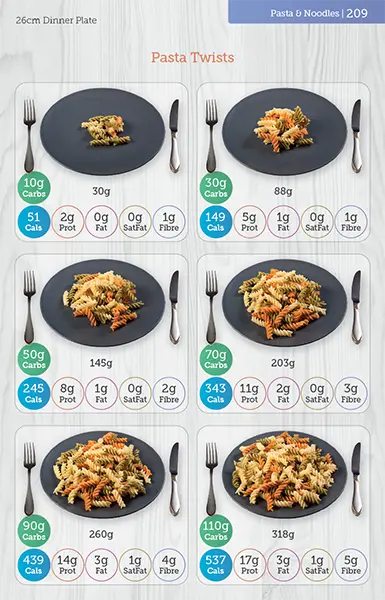
Contains hundreds of food photos that makes carb counting easy!
Sign up to the Carbs & Cals mailing list
Want to learn more about carb counting and the role of food in managing your health? Sign up to our mailing list!