In this special blog post, Specialist Dietitian Will Hadfield shares some top tips and advice for managing your diet and nutrition when using weight loss injections.
Will is a dietitian specialising in diabetes and complex weight management, and is passionate about educating and empowering people to self-manage their health. Will’s experience in the NHS, not-for-profit, private and academia settings supports his passion for innovative and evidence-based education, enabling long-term behaviour change whilst informing research.
Will is co-founder of WE Nutrition, providing clients with tailored, holistic and sustainable solutions.
Top tips for weight loss injections
It is becoming increasingly common for people to use weight loss injections, such as Ozempic and Mounjaro, to support weight loss. These medications help with weight loss by:
- Slowing down how quickly food moves through the body
- Increasing the feeling of fullness by sending fullness hormones to the brain
Many people are reporting significant results, with some people achieving up to 20% (about 20kg or 40lb) weight loss. However, it is important that nutrition and lifestyle changes go alongside using these medications to ensure that results are maintained.
In this blog, we share our top tips for nutrition and lifestyle factors to use alongside weight loss injections to get results that last. These factors have been proven in research and in practice to maximise the use of weight loss injections in a safe and effective way.
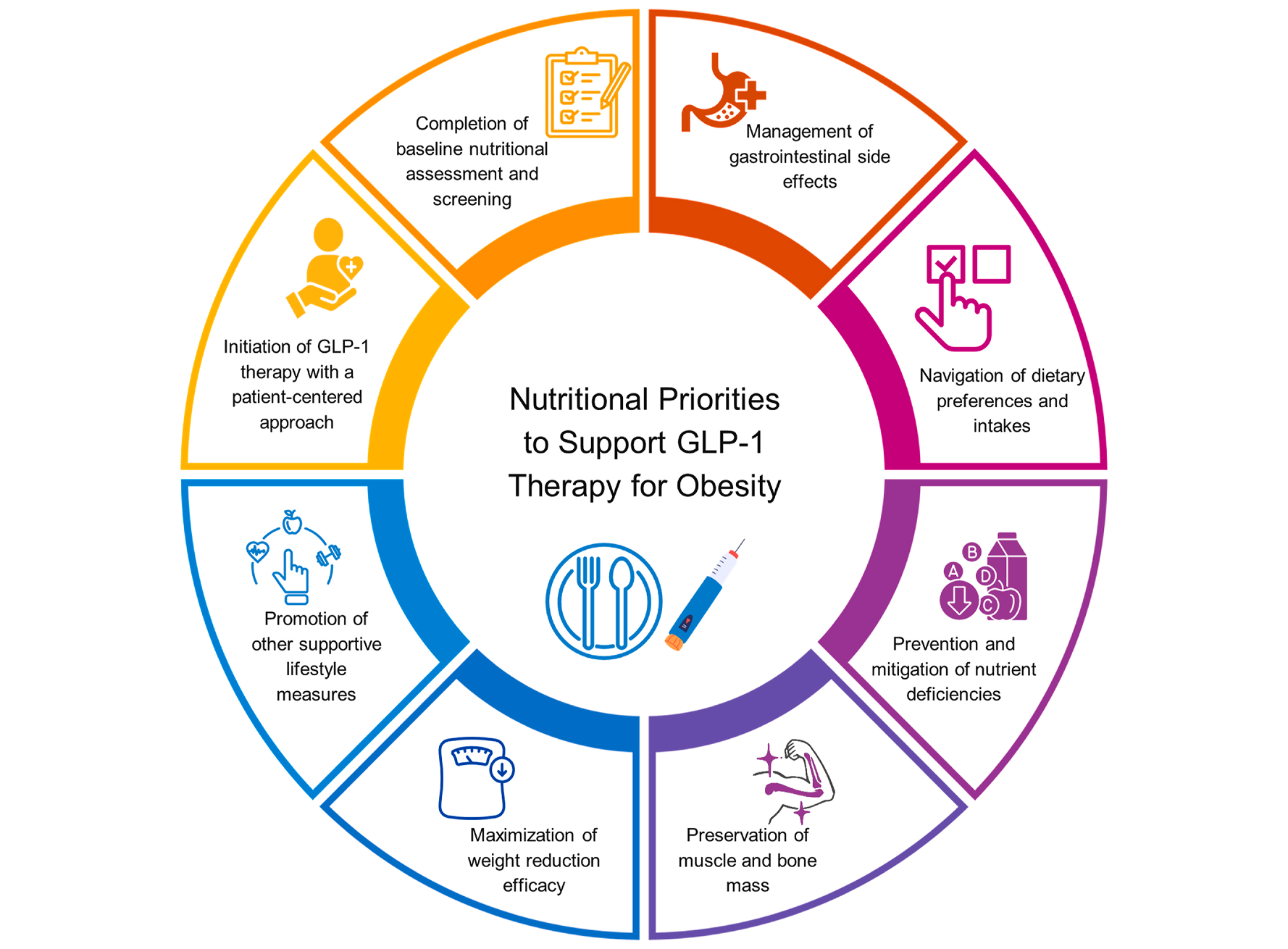
Key elements of nutritional priorities to support GLP-1 therapy for obesity. Source: Science Direct.
Prioritise high-fibre foods
People usually eat less when they use Ozempic or Mounjaro, as their appetite reduces. Meals get smaller, and snacking can be reduced. Whilst this supports weight loss, it is essential to ensure that the food and drink entering the body are as nourishing as possible. High-fibre foods are great because not only do they contain fibre, which can help with bowel movements and avoiding constipation, but they often contain extra nutritional benefits.
Vegetables, salad and fruit contain fibre AND vitamins and minerals. These foods support healthy, glowing skin, strong hair, and a robust immune system (particularly important during flu season!). It is recommended to try to have 1-2 portions of vegetables, salad or fruit at every meal (or at least 5 per day), for example:
- Try having 80g of blueberries (fresh or frozen) with yoghurt at breakfast
- Add a handful of cherry tomatoes to lunch
- A snack of 80g carrots and 80g of pepper with low-fat houmous
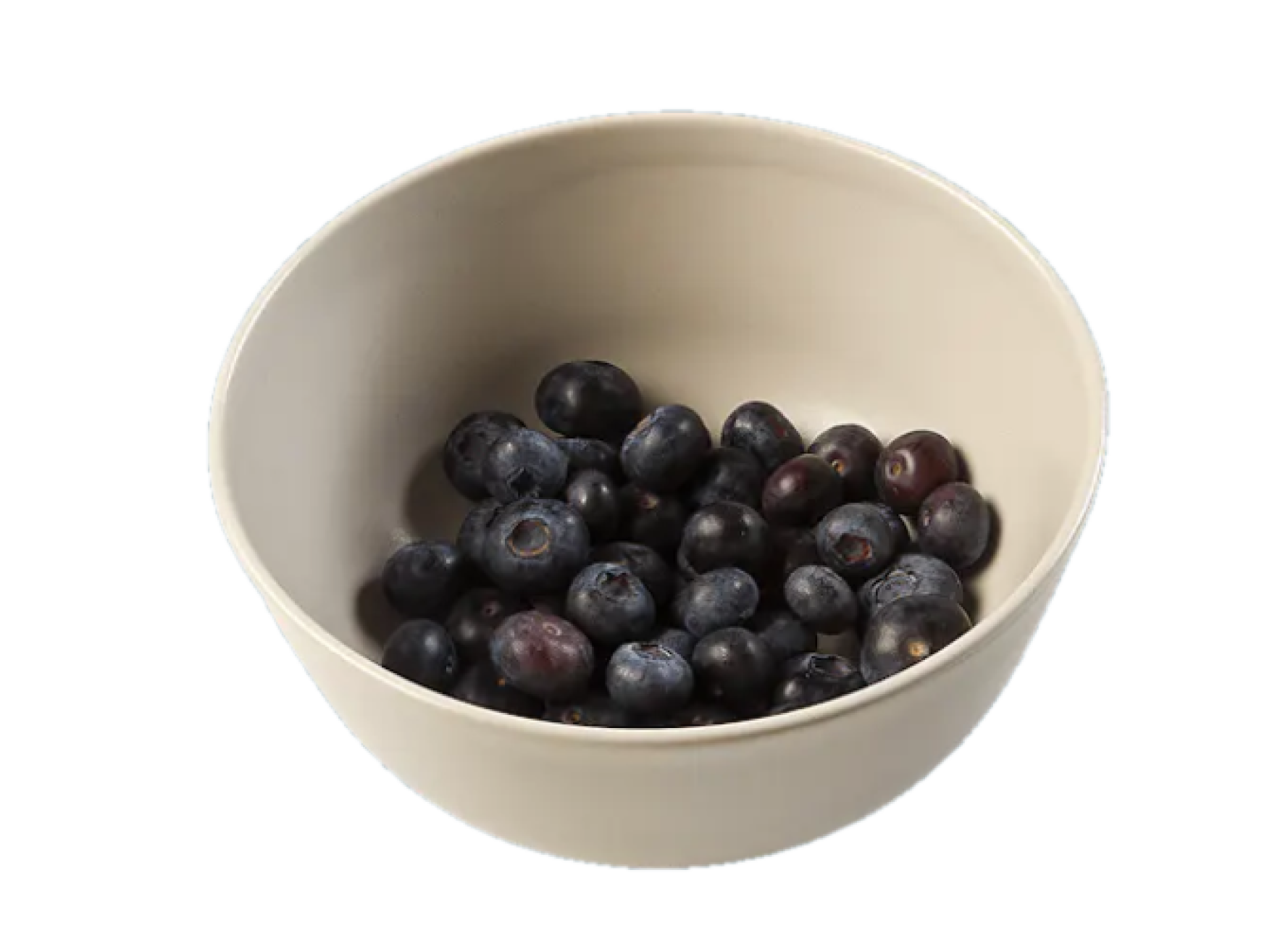
13g
Carbs
Blueberries & Greek Yoghurt
Weight = 8og blueberries / 125g yoghurt (fat free)
Carbs = 13g / Cals = 102
Protein = 11g / Fibre = 1g
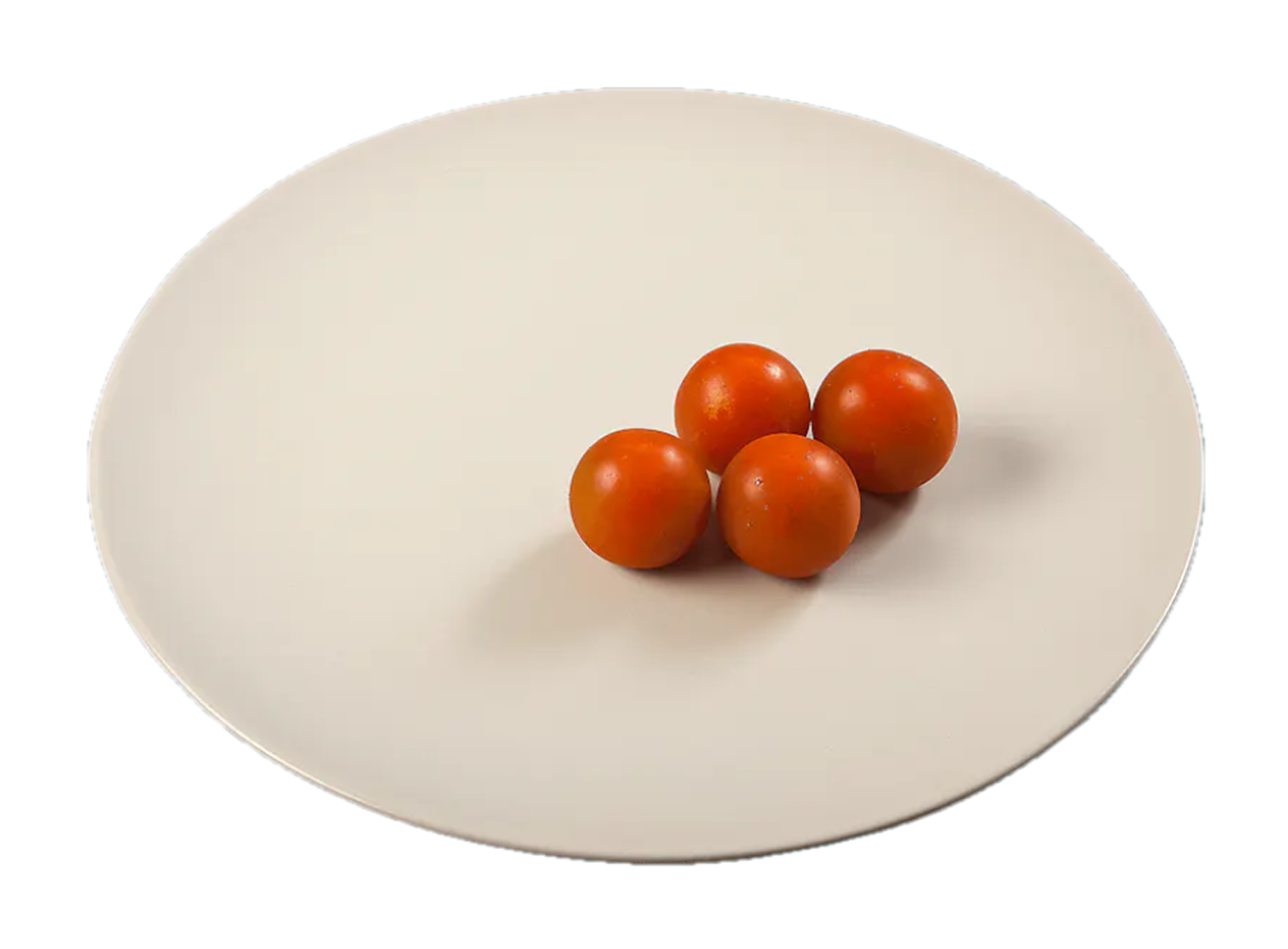
3g
Carbs
Cherry Tomatoes
Weight = 80g
Carbs = 3g / Cals = 18
Protein = 1g / Fibre = 1g
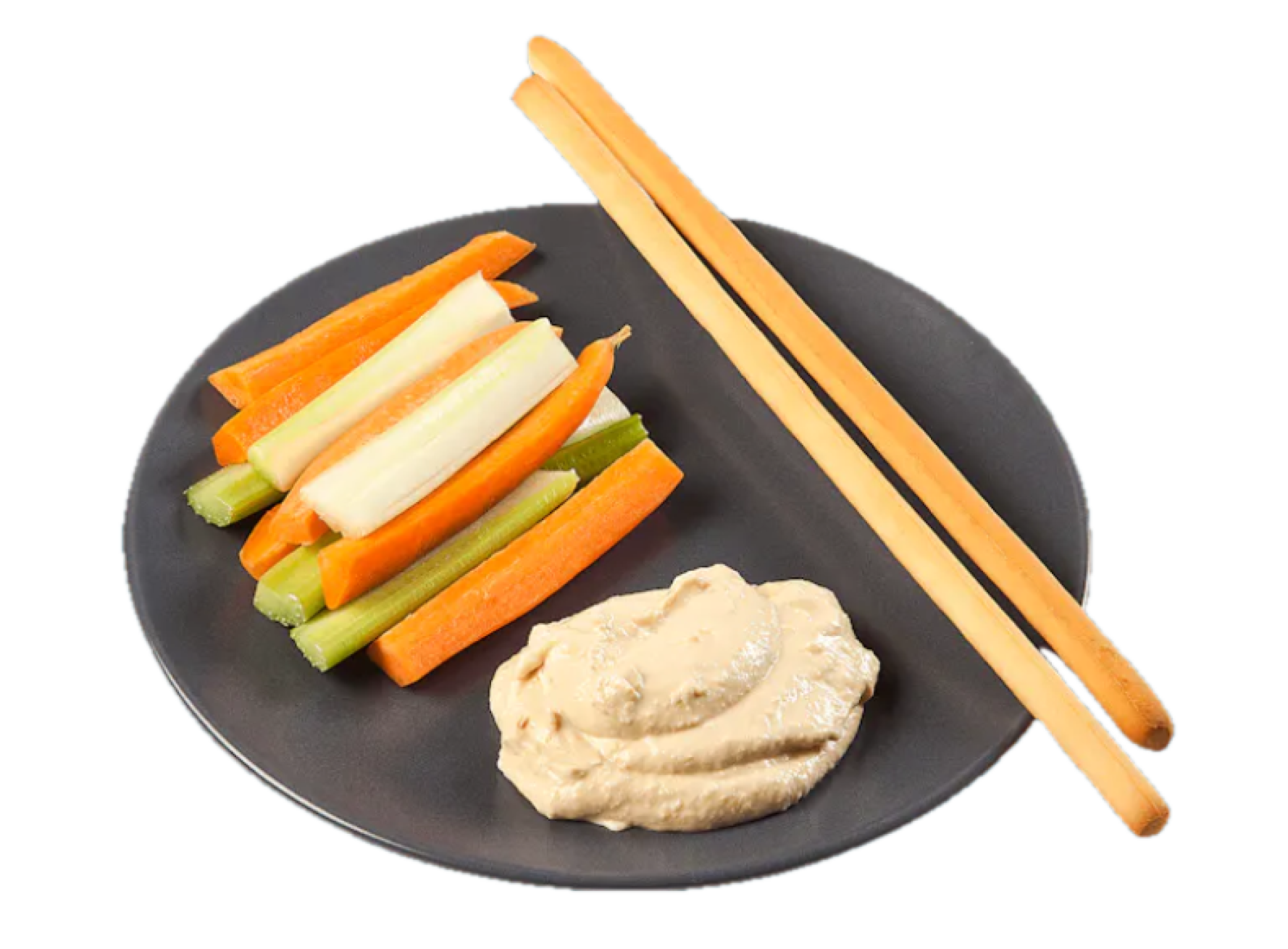
19g
Carbs
Houmous & Dippers
Weight = 50g houmous, 80g veg, 14g breadstick
Carbs = 19g / Cals = 224
Protein = 5g / Fibre = 5g
Beans, lentils, pulses, nuts and seeds contain fibre AND protein. These foods support maintaining muscle (more on that below) and also boost the feeling of fullness. A portion of these fibre and protein foods could be:
- 200g (half a tin) of baked beans or chilli beans with a jacket potato
- Lentil curry with rice (185g curry with 95g brown rice)
- Snack on a handful of plain nuts
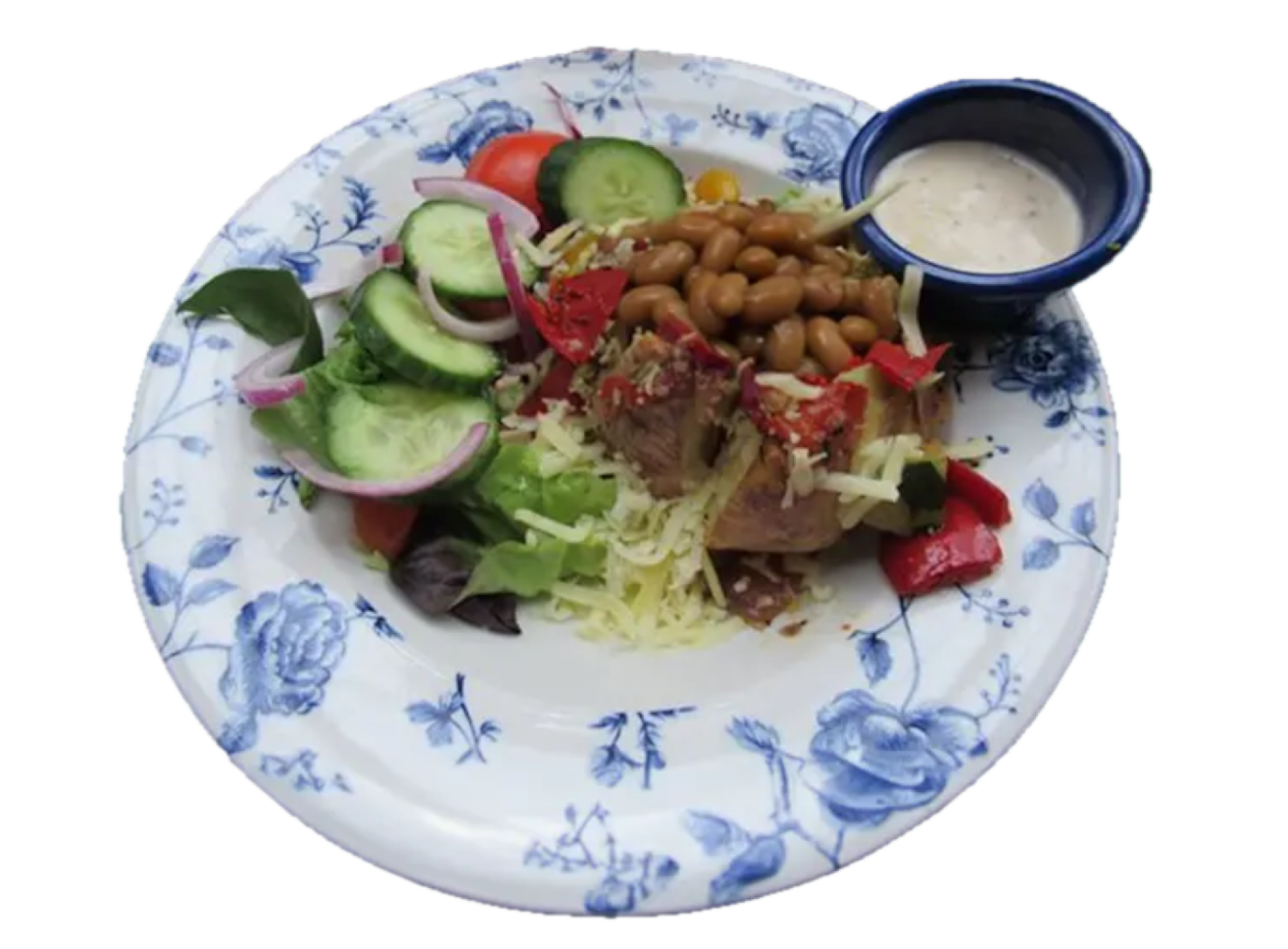
76g
Carbs
Jacket Potato & Baked Beans
With salad
Carbs = 76g / Cals = 484
Protein = 19g / Fibre = 19g
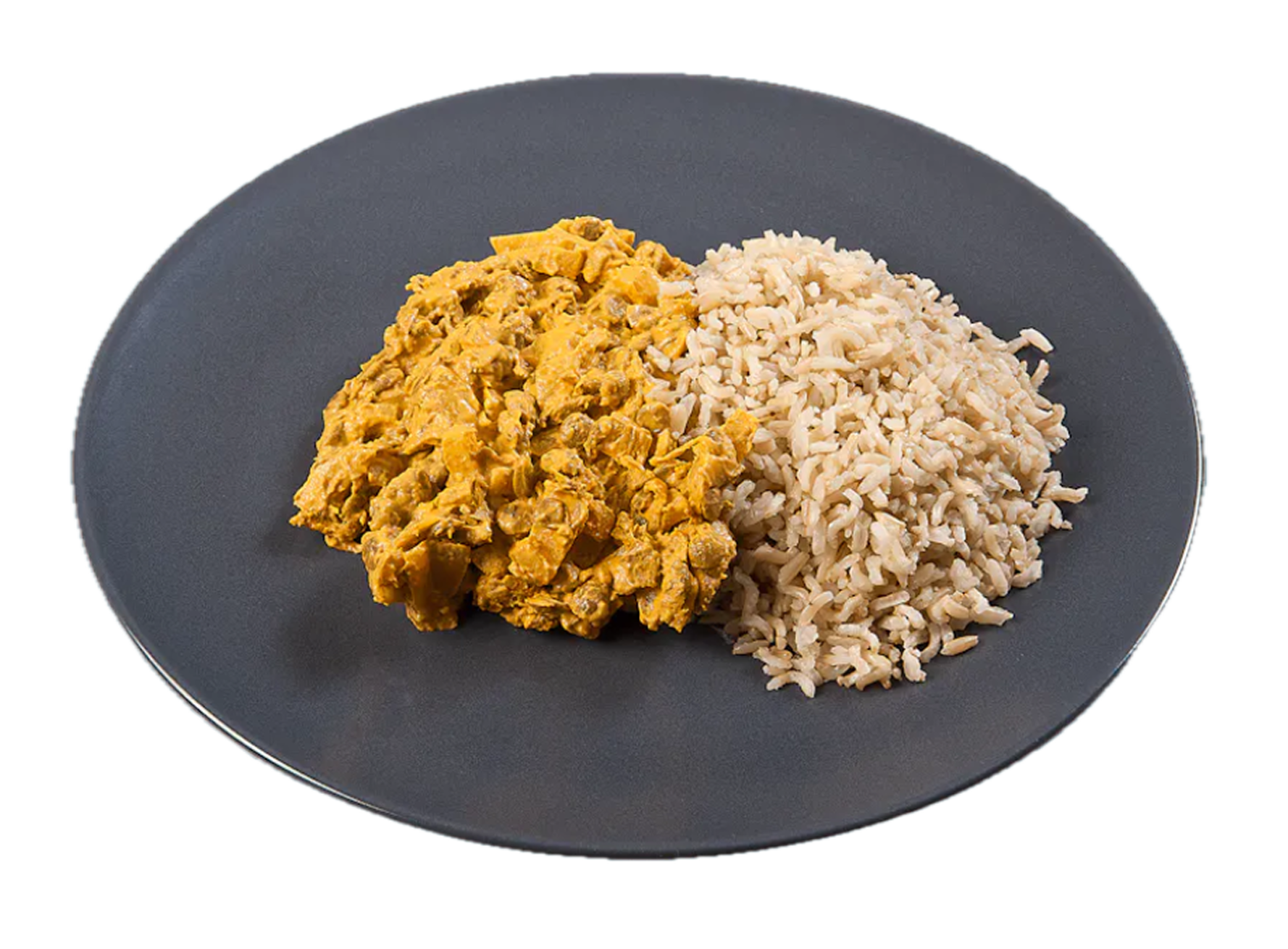
47g
Carbs
Lentil Curry with Brown Rice
Weight = 185g curry, 95g rice
Carbs = 47g / Cals = 390
Protein = 12g / Fibre = 7g
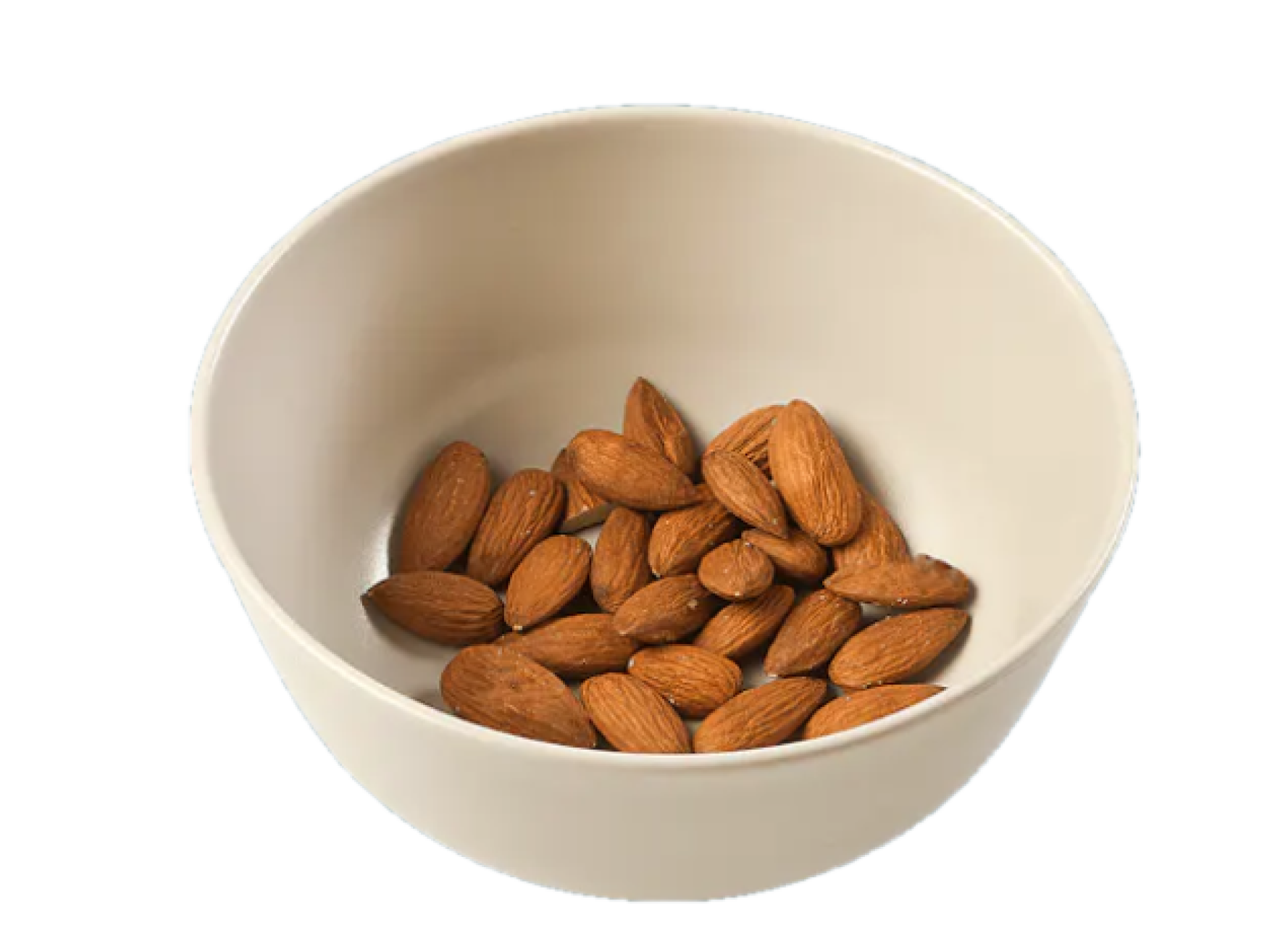
3g
Carbs
Almonds
Weight = 30g
Carbs = 3g / Cals = 185
Protein = 7g / Fibre = 3g
Next, think about lean protein AND resistance exercise
A recent piece of research highlighted that during weight loss, it is normal to lose excess fat and to lose muscle. It is recommended that when people use weight loss injections, not only should they consume enough lean protein foods, but that these foods should be joined with resistance exercise in order to prevent excess muscle loss.
Try to have a fistful of one of the following lean protein foods three times per day:
- Meat, e.g. lean beef, lean pork and lean lamb
- Poultry, e.g. chicken breast, lean turkey
- Fish
- Eggs
- Beans, lentils and pulses
- Nuts and seeds
- Soya, tofu, quorn and other alternatives
It is also important to consider how these foods are cooked. When cooking lean proteins, choose dry-frying, grilling, baking, boiling, steaming or air-frying with minimal added fats. Cooking lean proteins in this way supports weight loss.
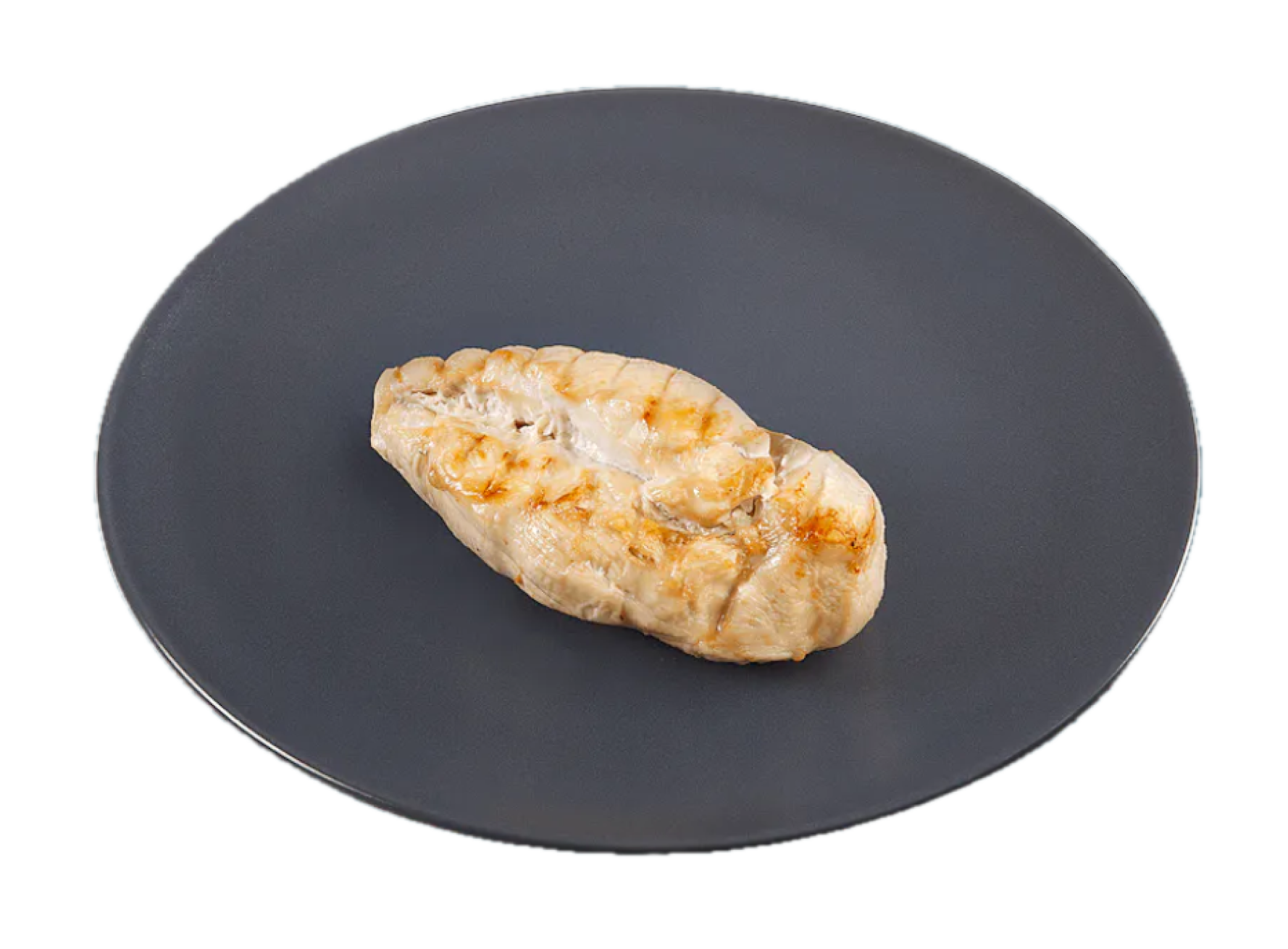
0g
Carbs
Chicken Breast (without skin, grilled)
Weight = 200g
Carbs = 0g / Cals = 296
Protein = 64g / Fat = 4g
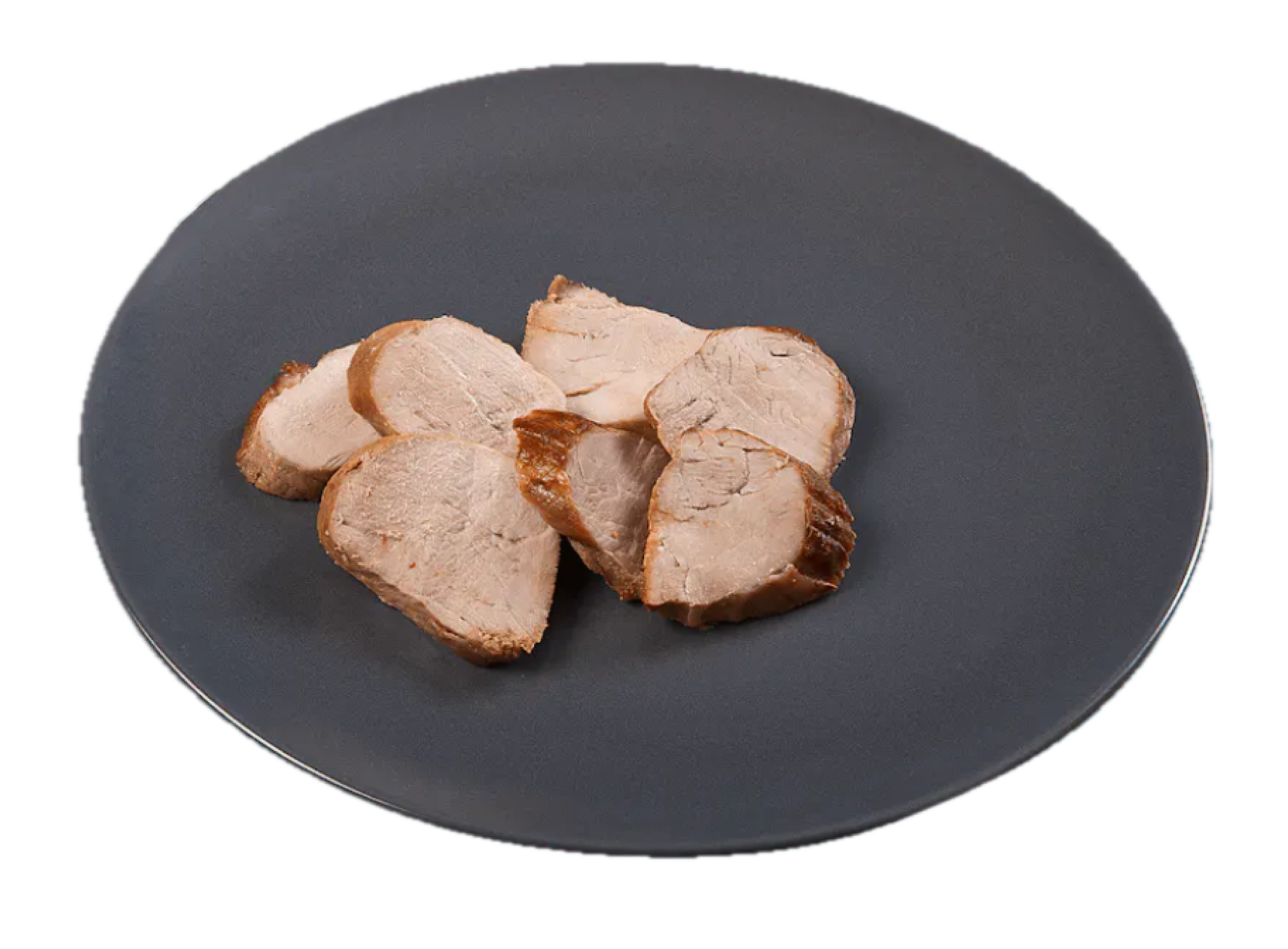
0g
Carbs
Pork Tenderloin (roasted)
Weight = 120g
Carbs = 0g / Cals = 218
Protein = 36g / Fat = 8g
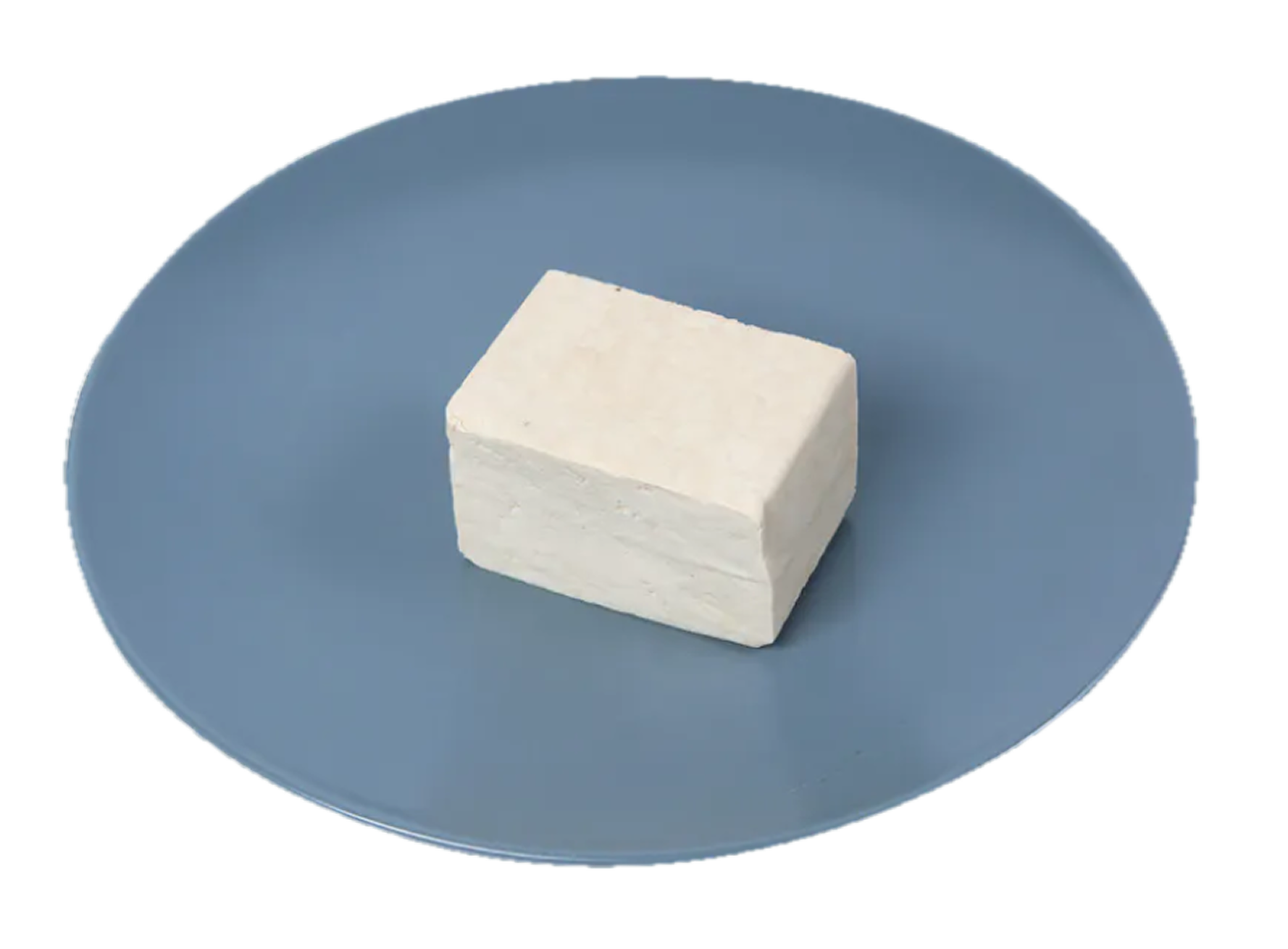
3g
Carbs
Tofu (raw, firm)
Weight = 175g
Carbs = 3g / Cals = 209
Protein = 22g / Fat = 12g
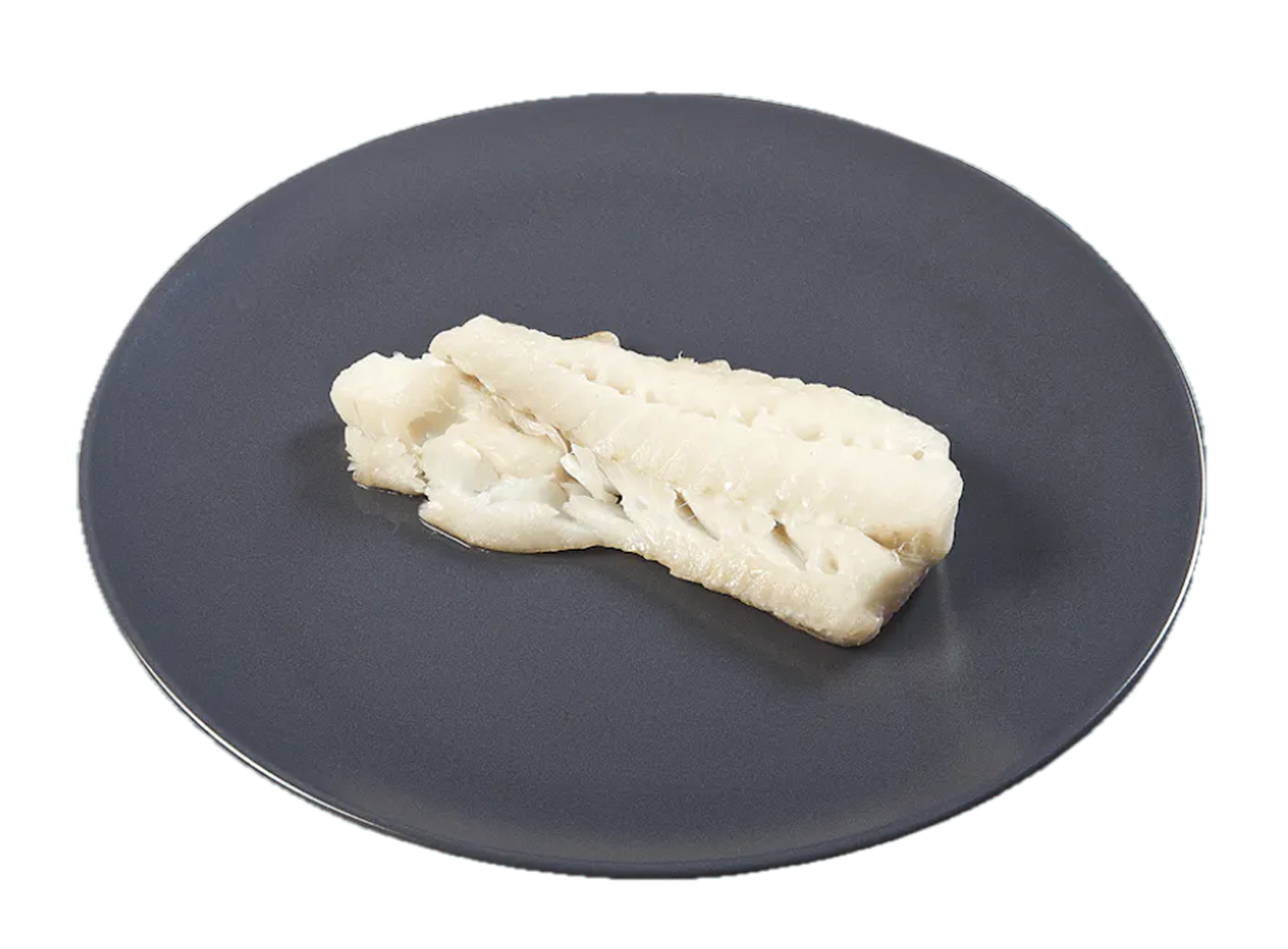
0g
Carbs
Baked Cod
Weight = 125g
Carbs = 0g / Cals = 125
Protein = 30g / Fat = 1g
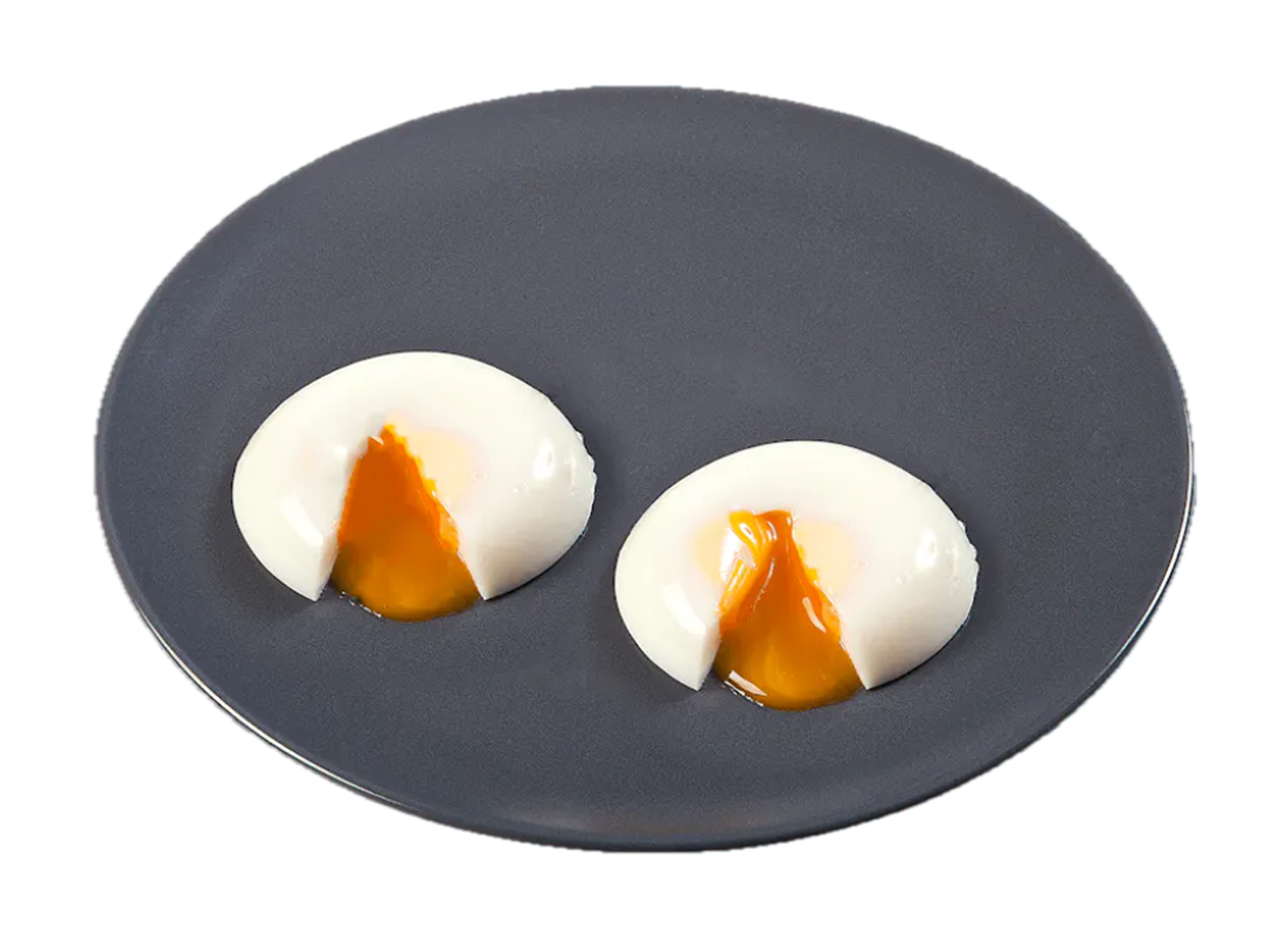
0g
Carbs
Poached Egg
Weight = 100g
Carbs = 0g / Cals = 157
Protein = 15g / Fat = 11g
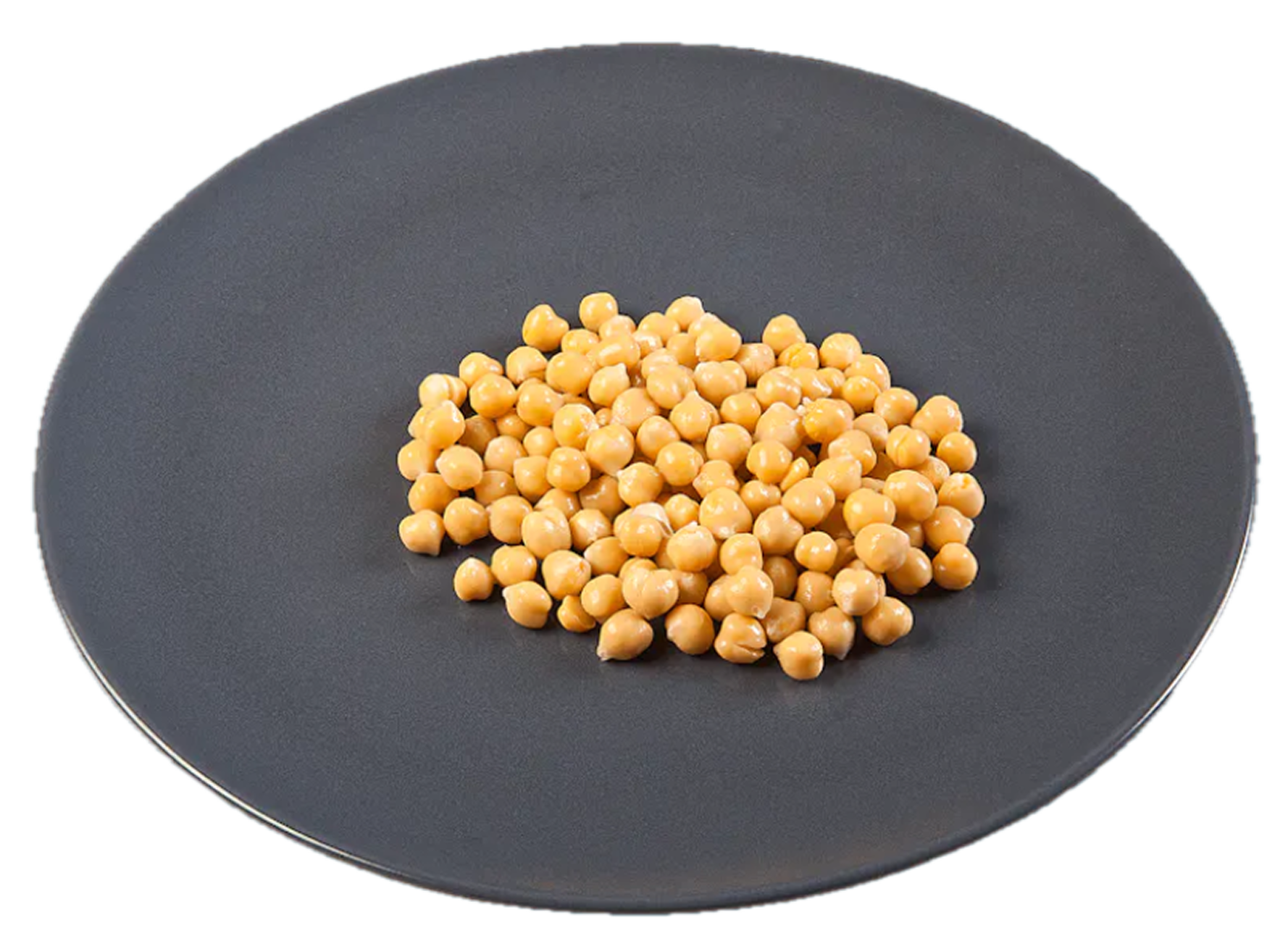
13g
Carbs
Chickpeas (tinned)
Weight = 80g
Carbs = 13g / Cals = 92
Protein = 6g / Fat = 2g
Resistance exercise
Resistance exercise is any type of movement that challenges the muscles. Resistance exercise includes:
- Exercise that includes using body weight, e.g. wall press-ups, kneeling press-ups or full press-ups;
- Using resistance bands to add extra resistance to pull-ups or chest exercises;
- Using free weights and weight-machines to exercise, or;
- Day-to-day activities like carrying bags, gardening (pushing a mower, or moving earth), washing the car (squats to clean the wheels), or seated arm raises whilst holding tins.
Resistance exercise does not have to be done in a gym, and it can be done in lots of different ways for all abilities. Doing resistance exercise three times per week supports muscle maintenance and, in turn, can help to maintain metabolism during weight loss.
Don’t forget… Complex carbohydrates
Complex carbohydrate foods have lots of nutrients and fibre, but also provide slow-release energy. It is recommended to have a complex carbohydrate at each meal, such as:
- 2 slices of medium wholegrain bread
- A handful of new potatoes (with skin on)
- A medium sweet potato
- A handful of cooked basmati rice
As with other high-fibre foods, complex carbohydrates support a healthy gut, but they also provide slow release energy.
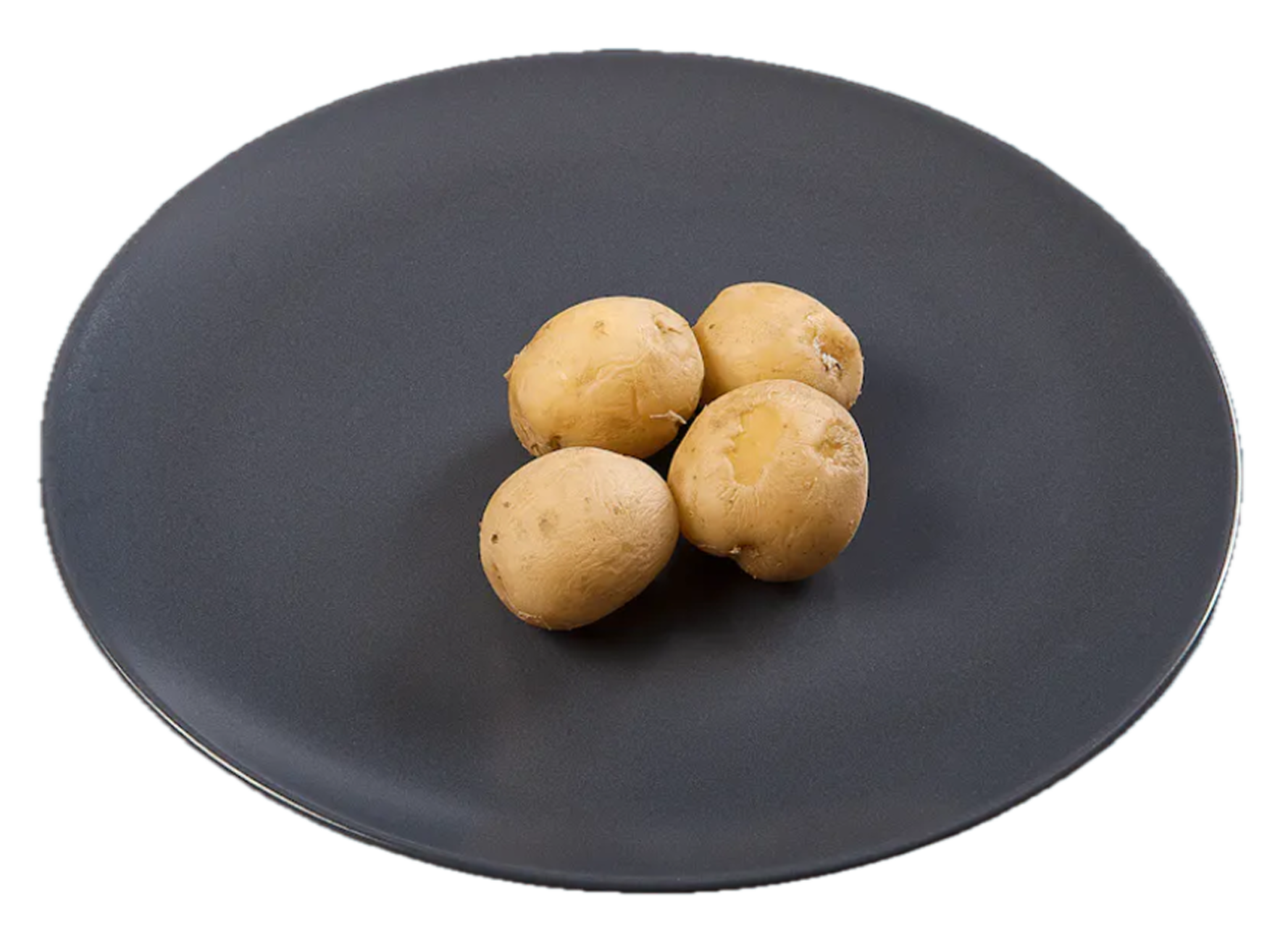
19g
Carbs
New Potatoes (boiled)
Weight = 130g
Carbs = 19g / Cals = 88
Protein = 2g / Fibre = 2g
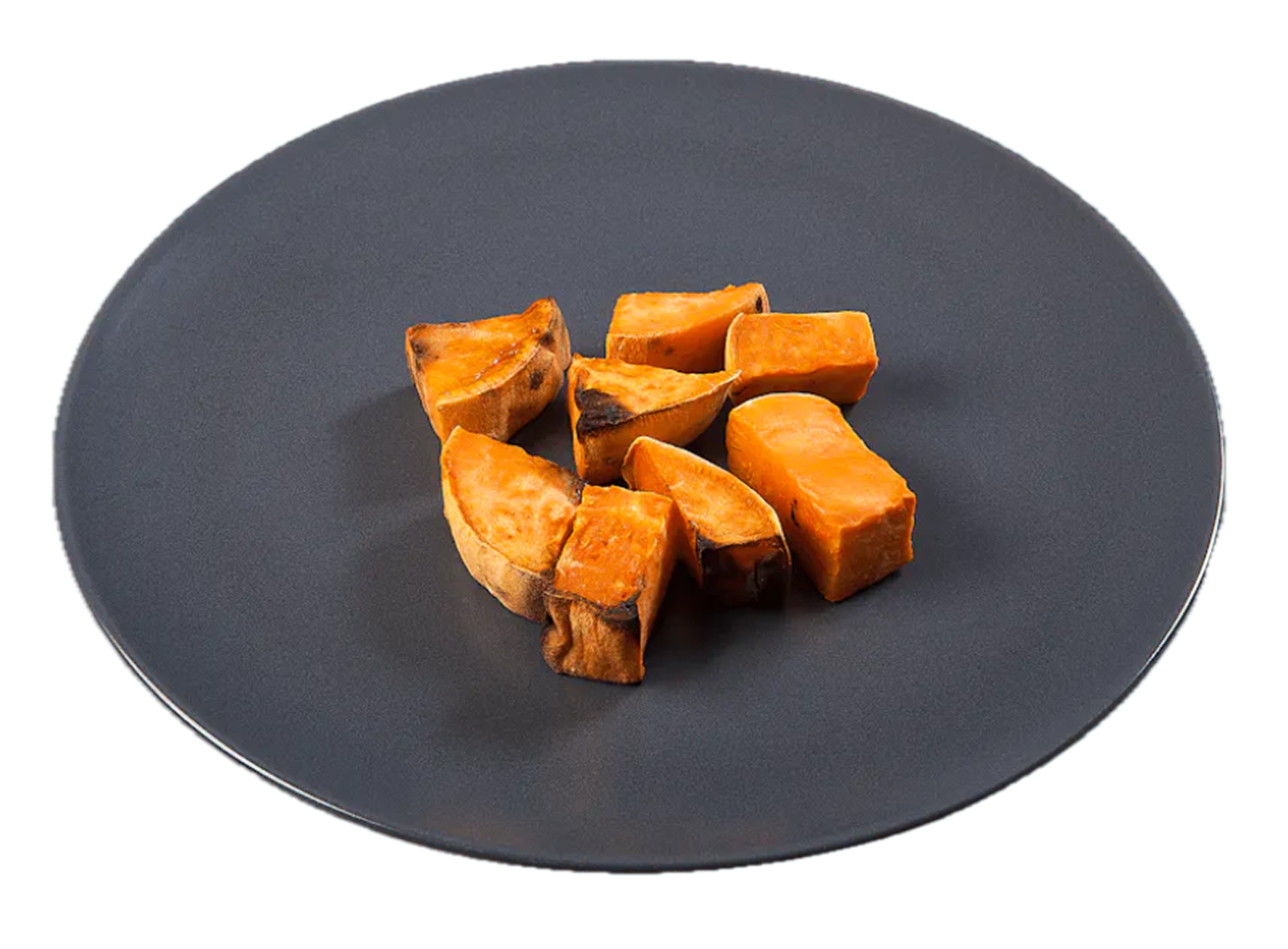
30g
Carbs
Sweet Potato (baked)
Weight = 108g
Carbs = 30g / Cals = 124
Protein = 2g / Fibre = 5g
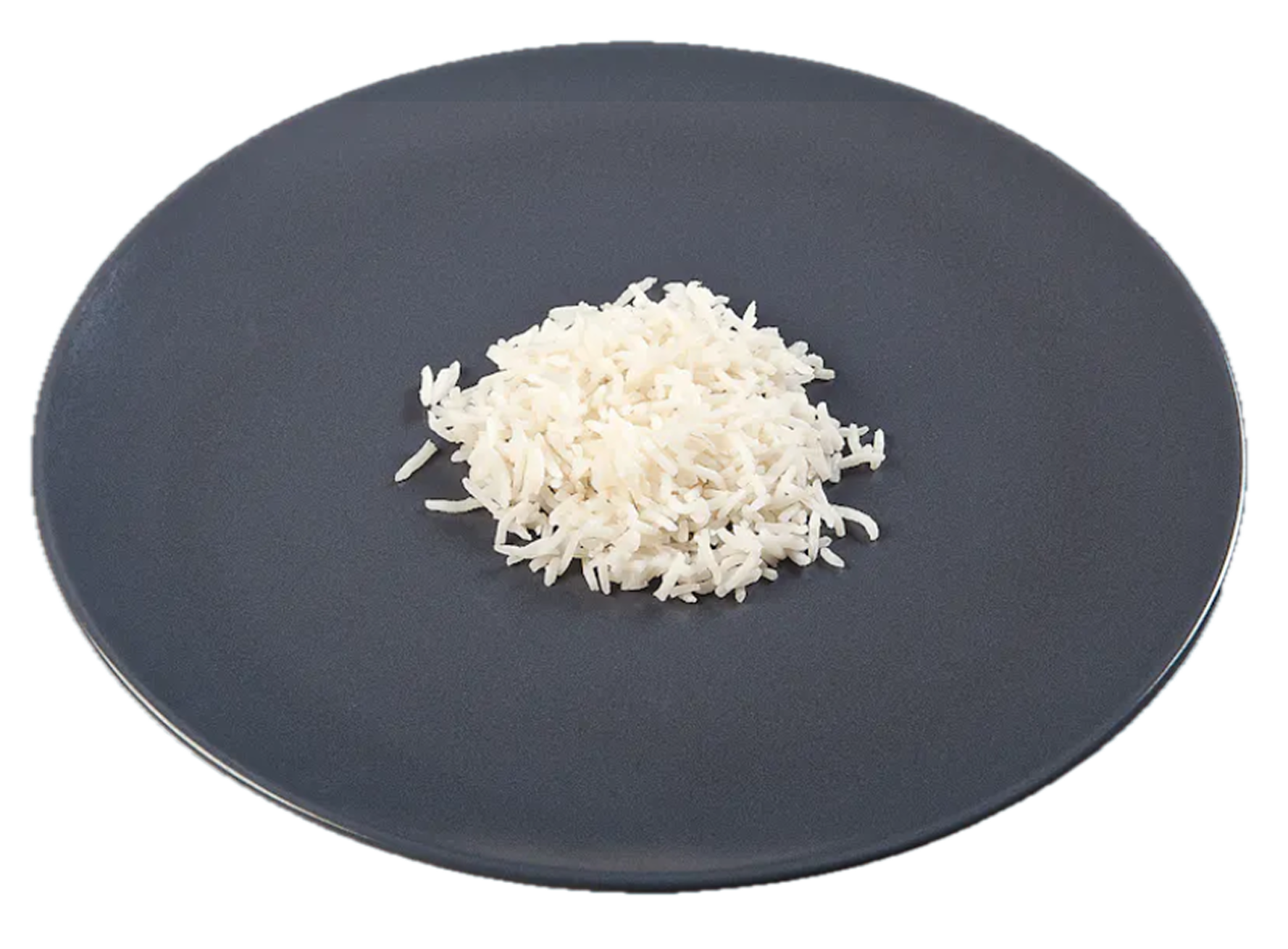
10g
Carbs
Basmati Rice
Weight = 32g
Carbs = 10g / Cals = 46
Protein = 1g / Fibre = 0g
And finish off with some…Hydration
Hydration is important to consider when using weight loss injections, because intake of food and fluids can be reduced. Reduced fluid intake can lead to dehydration, which can contribute to headaches and constipation, and can also be mistaken for hunger. This can cause a person to eat more than their body needs, and hinder weight loss.
For healthy adults, it is recommended to consume 2-3 litres of sugar-free fluid throughout the day. This amount can increase depending on the climate and activity levels.
Sugar-free fluids include:
- Water (tap, still, fizzy or flavoured with sweeteners)
- No added sugar squash
- Unsweetened tea and unsweetened coffee
- Diet or zero soda drinks
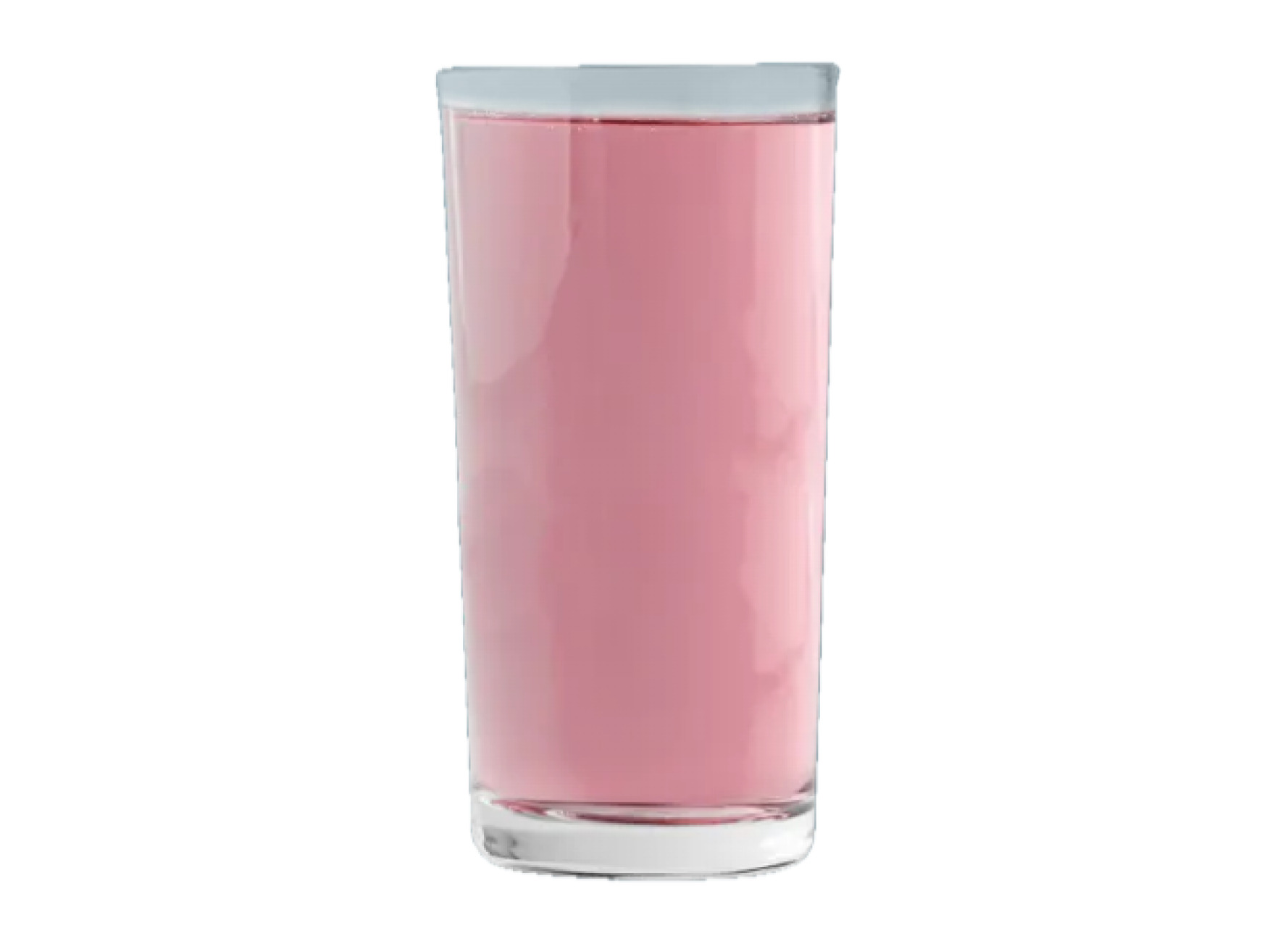
1g
Carbs
Squash (no added sugar)
50ml squash, 200ml water
Carbs = 1g / Cals = 3
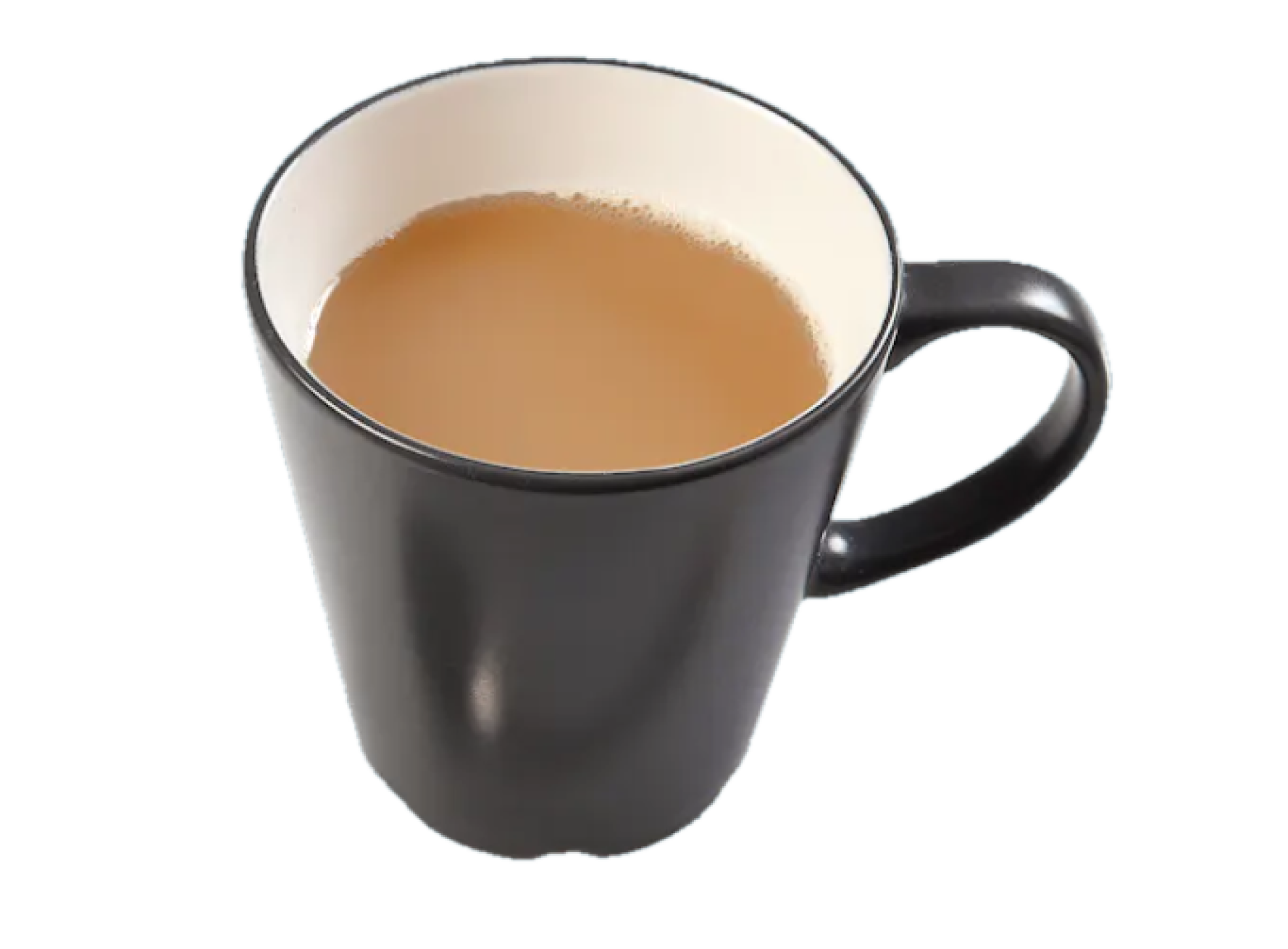
2g
Carbs
Cup of tea (with milk)
Weight = 260ml
Carbs = 2g / Cals = 18
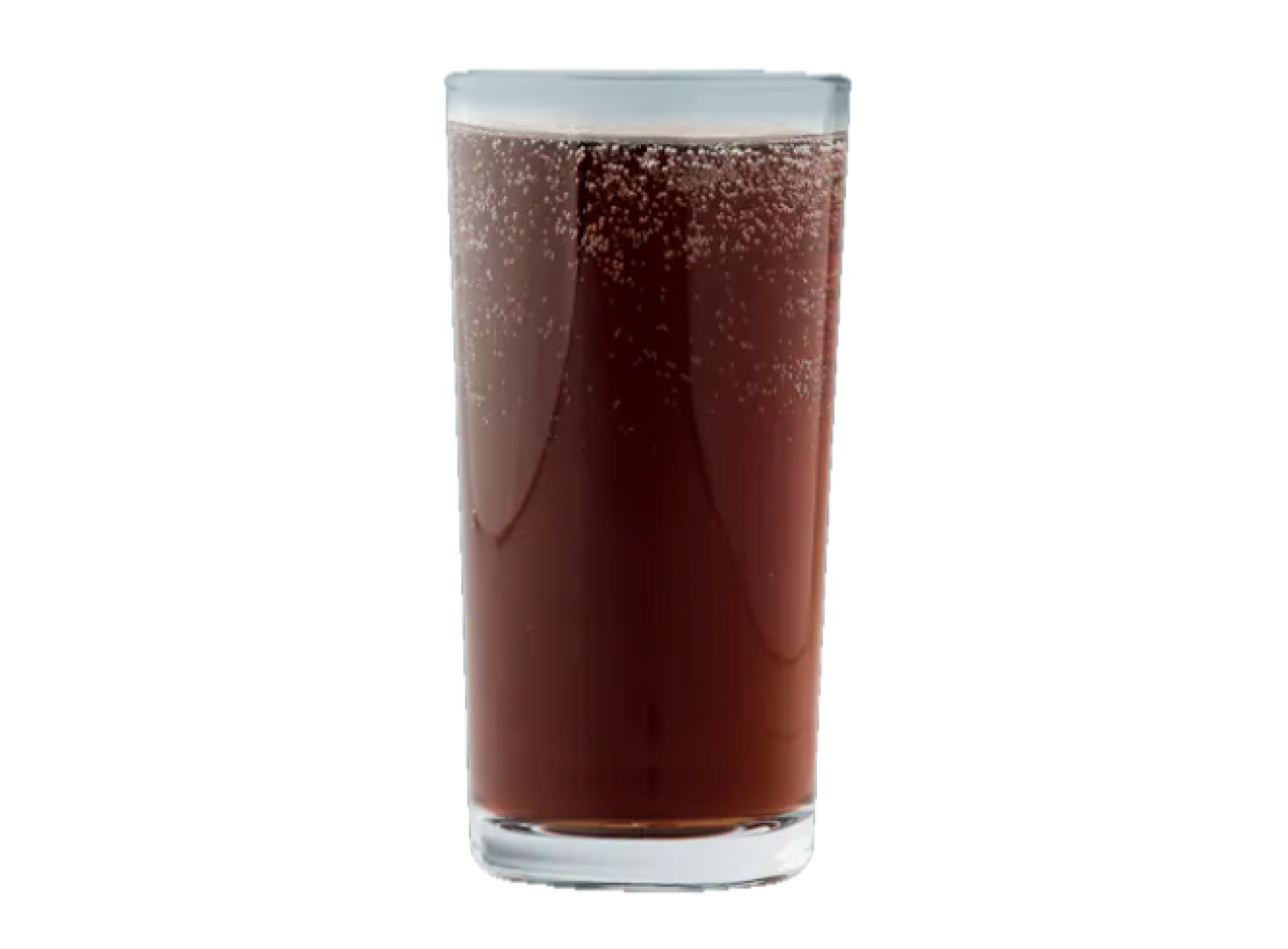
0g
Carbs
Diet Cola
Weight = 250ml
Carbs = 0g / Cals = 3
Try spreading fluids at key times during the day to avoid ‘dehydration zones’ i.e. times of the day where there is no sugar-free fluid consumed for more than 2 hours. If appetite is significantly reduced, have sugar-free fluids in between meals, so as not to fill up on liquids and reduce meals.
Weight loss injections are only one part of the weight loss journey. Use these top tips to support weight loss and long-term success!
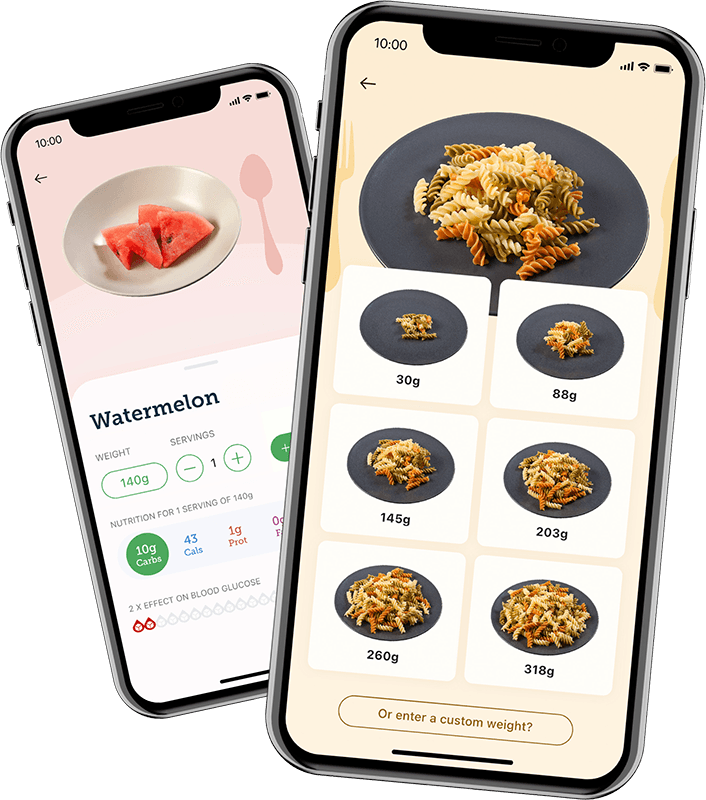
Want to Count Carbs on the Go?
Download the Carbs & Cals Mobile App
The award-winning Carbs & Cals mobile app is the only diet-tracking app that features food and drink photos.
- Search 272,000+ food & drink photos.
- Scan barcodes, snap labels or take a picture of the food on your plate with the Unified Food Scanner.
- Log meals and snacks with accurate carb and calorie info.
- Customise your nutrient view to focus on what matters most.
- Track your nutrients and set goals to stay on track.
At home or on the go, the Carbs & Cals app lets you count carbs and enjoy your food with confidence.


Want to Learn More?
Grab a Copy of Carb & Calorie Counter
The multi-award-winning Carb & Calorie Counter book is your definitive, expert-approved guide to carb and calorie counting.
- Over 1700+ high-quality food photos
- Up to six portion sizes per food
- At-a-glance carbs and key nutrients
- The Original #1 Bestseller
With the “Carb-Counting Bible”, a single flick of the page is all you need to plan nutritious, carb-counted meals.
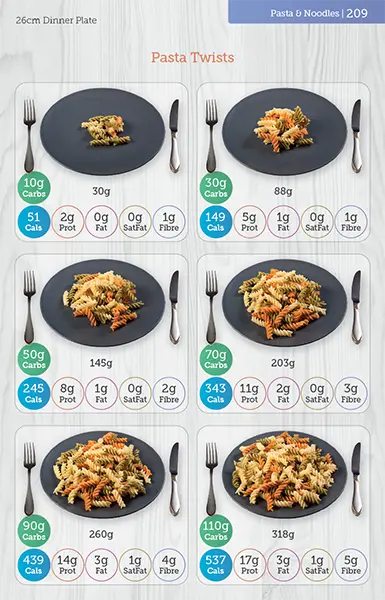
Contains hundreds of food photos that makes carb counting easy!
Sign up to the Carbs & Cals mailing list
Want to learn more about carb counting and the role of food in managing your health? Sign up to our mailing list!