Lighter meals, fresh flavours, and a gentle reset after winter
Spring is the perfect time to refresh your plate after months of hearty winter food. Colder months often lead to more comforting, carb-dense meals such as stews, pies, pasta bakes, and mashed potatoes. These have their place, but as the days brighten, it can feel good to bring back lighter flavours, fresh textures, and a wider variety of colourful vegetables.
For people living with diabetes, spring produce offers a helpful opportunity. Many spring vegetables are rich in fibre, packed with nutrients, and help add satisfying volume to meals without relying heavily on starches. This article explores what is in season in the UK, how to reintroduce variety after winter, and how spring veg can support smoother glucose levels.
Why carb counting at Easter matters (especially for type 1 diabetes)
For people with type 1 diabetes, carbohydrate counting is a cornerstone of daily management. This is because carbohydrate is the nutrient that has the greatest impact on blood glucose levels.
During Easter, carbohydrate intake often increases due to chocolate eggs, sweets, and seasonal foods like hot cross buns. Being able to estimate carbohydrate accurately allows you to adjust insulin doses appropriately and reduce the risk of both hyperglycaemia and hypoglycaemia.
For example, many popular Easter treats contain significant amounts of carbohydrate:
- A typical small chocolate egg portion (around 80g) may contain around 45g carbohydrate.
- A crème-filled chocolate egg can contain around 24–29g carbohydrate.
- Small portions of sweets (like jelly beans or mini eggs) can quickly add up.
This is where visual tools, like those in the Carbs & Cals Easter PDF, are particularly useful. They help translate abstract numbers into real-world portions, making it easier to estimate carbs on the go.

45g
Carbs
SammEaster Egg (small)
Weight = 8og
Carbs = 45g / Cals = 415
Protein = 6g / Fibre = 2g
Fat = 25g / SatFat = 15g

29g
Carbs
Cadbury Creme Egg
Weight = 4og
Carbs = 29g / Cals = 176
Protein = 1g / Fibre = 0g
Fat = 6g / SatFat = 4g
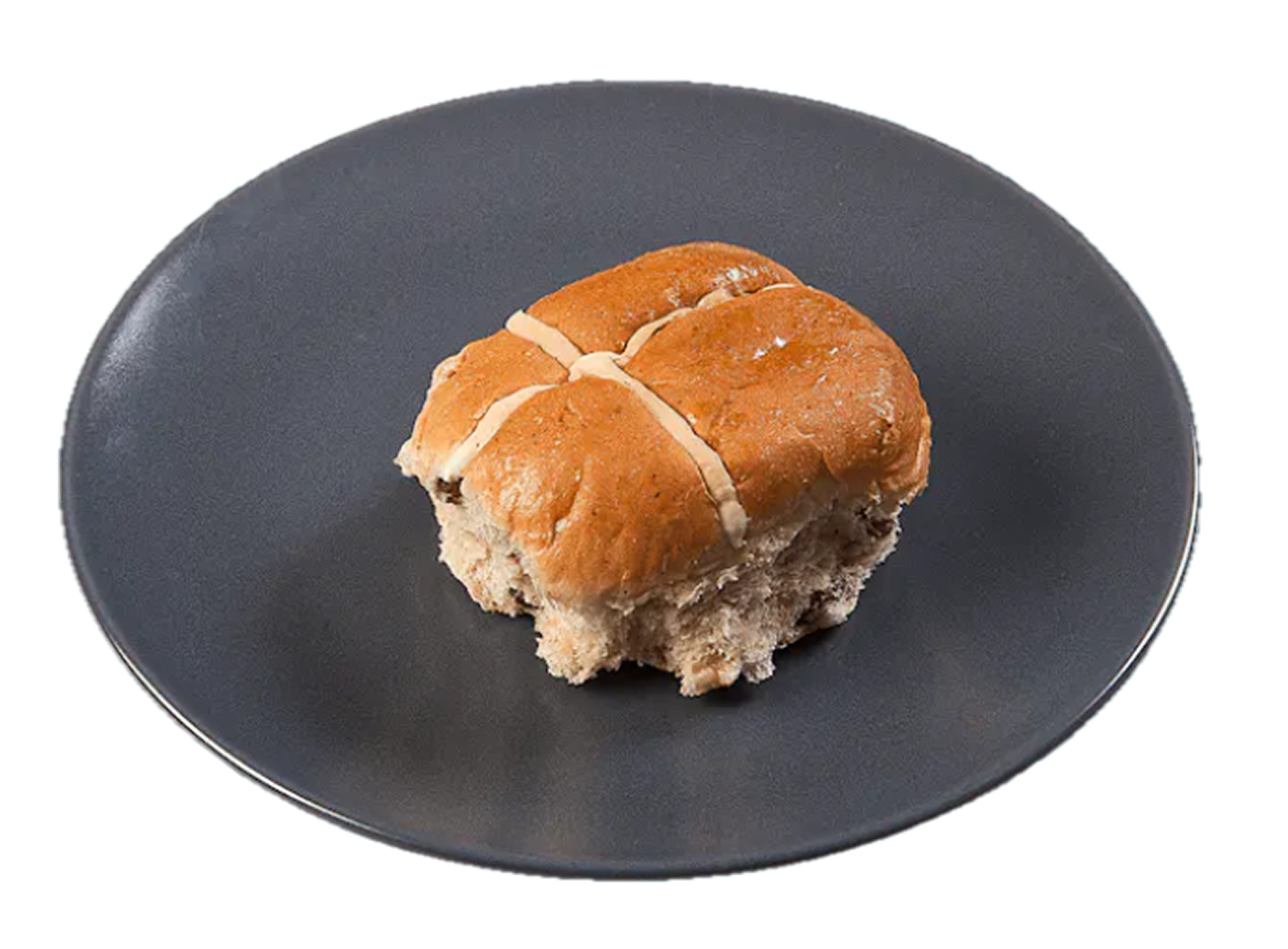
30g
Carbs
Hot Cross Bun
Weight = 51g
Carbs = 30g / Cals = 159
Protein = 4g / Fibre = 1g
Fat = 3g / SatFat = 1g
Transitioning away from winter comfort foods
Winter often means larger portions of pasta, potatoes, rice, and other starchy foods. These foods are comforting but can be harder to balance with glucose levels, especially if portion sizes slowly creep up.
Spring offers a natural moment to rebalance without restrictive changes. Here are simple ways to shift into a lighter, veg-focused approach:
1. Keep the comfort, change the balance
You can still enjoy your favourite meals. Just adjust the ratios.
- Add spring greens, spinach, or leeks to pasta to reduce how much pasta you need.
- Stir peas or broad beans into risotto for extra fibre.
- Swap part of the potatoes in mash for cooked cauliflower or cabbage.
Small changes like these help improve fullness and steadier glucose rises.
2. Reintroduce colour
Aim for two or more veg colours on your plate. Spring brings greens, pinks, pale yellows, and fresh whites that naturally broaden your nutrient intake.
3. Cook faster, eat fresher
Spring veg cook quickly and keep their flavour best with short cooking times.
- Steam asparagus for a few minutes
- Flash fry spring greens
- Add raw radishes, chicory, or watercress to salads
Quick cooking keeps textures crisp and nutrients intact.
4. Use texture to stay satisfied
Texture is key when shifting away from heavier foods.
- Broad beans and peas add chew
- Radishes and chicory add crunch
- Cauliflower adds volume and bite
- Watercress gives a peppery lift to balance richer dishes
Tips for a healthy plate
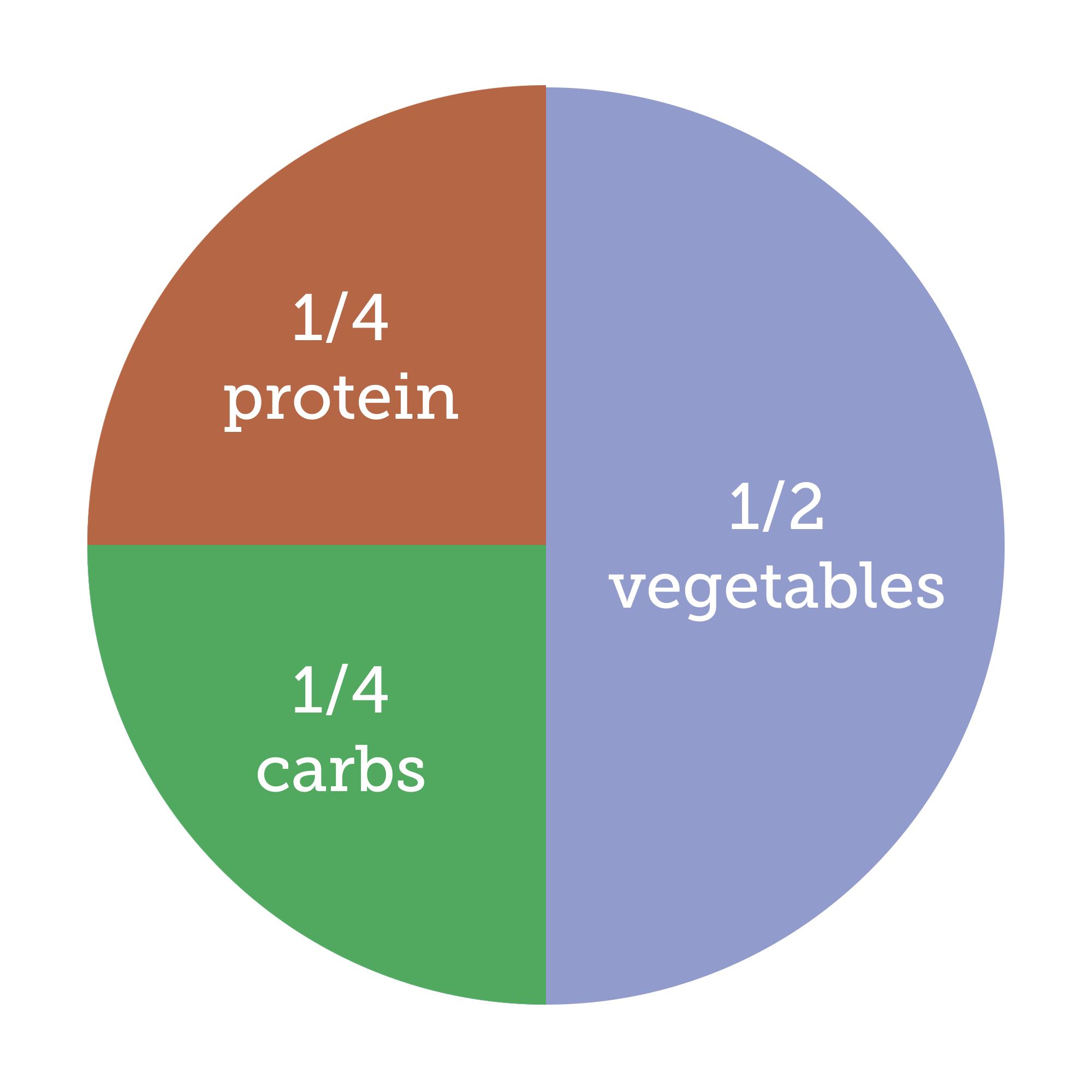
Diabetes-friendly plate tip!
When building meals with spring vegetables, try to balance your plate by including:
- ½ vegetables (spring greens, asparagus, peas)
- ¼ protein (chicken, fish, tofu, eggs)
- ¼ carbohydrates (new potatoes, whole grains)
This approach helps slow the rise in glucose and keep meals filling.
Fibre focus: how spring vegetables support smoother glucose levels
One of the greatest strengths of spring vegetables is their fibre content. After a winter of denser meals, fibre helps steady digestion, support gut health, and flatten post meal glucose peaks.
Different spring vegetables bring different types of fibre:
- Leafy greens (spring greens, spinach, watercress) add gentle fibre that bulks out meals without heaviness.
- Asparagus, leeks, and chicory offer soluble fibre, which can help lower LDL (bad) cholesterol
- Peas and broad beans provide both fibre and plant protein.
- Cauliflower, carrots, and beetroot bring structure and natural sweetness without overloading the plate.
- Even starchy spring produce, like Jersey Royals and new potatoes, contribute fibre and can fit well into balanced meals.
The aim is not to replace carbohydrates but to complement them, making meals more filling, balanced, and glucose-friendly.
Meal ideas:
- Stir fry with spring greens, leeks, tofu or chicken, and a modest portion of noodles
- Salad bowl with radishes, peas, watercress, avocado, and grilled halloumi, plus wholemeal bread for extra fibre
- Roast new potatoes combined with cauliflower, asparagus, and broad beans for a nutrient rich side dish
Easy ways to introduce more spring vegetables
1. Add spring veg to familiar dishes
- Start with meals you already enjoy.
- Add peas or broad beans to pasta.
- Add chopped leeks or spring greens to curry.
- Toss asparagus or watercress into omelettes or quiches.
2. Make veg the centre rather than the side
Spring vegetables make great focal points:
- Asparagus frittata.
- Broad bean and mint soup.
- Pea and spinach pesto.
- Roasted cauliflower steaks.
- Watercress and chicory salad.
3. Swap in some veg-based snacks
Radishes, chicory leaves, cucumber, and spring onions pair well with houmous or yoghurt dips and offer a fibre-rich alternative to crisps or crackers.
4. Try seasonal swaps
Lighten winter-style dishes with some spring vegetable twists:
- Use crushed new potatoes with herbs instead of creamy mash.
- Make pies with a cauliflower and spring veg topping.
- Replace some rice in bowls with shredded spring greens or watercress.
5. Use herbs to enhance freshness
Spring vegetables pair beautifully with mint, parsley, dill, basil, and chives.
Fresh herbs help brighten flavour without added sugar or salt.
Why variety matters, especially for people with diabetes
Adding more spring vegetables into your meals can support:
- More stable glucose levels thanks to increased fibre.
- Improved digestion and gut health.
- Weight management due to lower calorie density.
- Higher nutrient intake, especially folate, vitamin C, and antioxidants.
- Greater meal volume without relying heavily on starches.
Seasonal veg also encourages more home cooking, which supports better portion control and more predictable glucose responses.
Spring is not about giving things up. It is about bringing freshness, colour, and balance back to your meals. Seasonal vegetables are an enjoyable way to support glucose control while keeping food satisfying and flavourful.
Whether you add a handful of peas, a bunch of asparagus, a wedge of chicory, or a pile of spring greens, small steps can make a noticeable difference to your energy, glucose levels, and overall wellbeing.
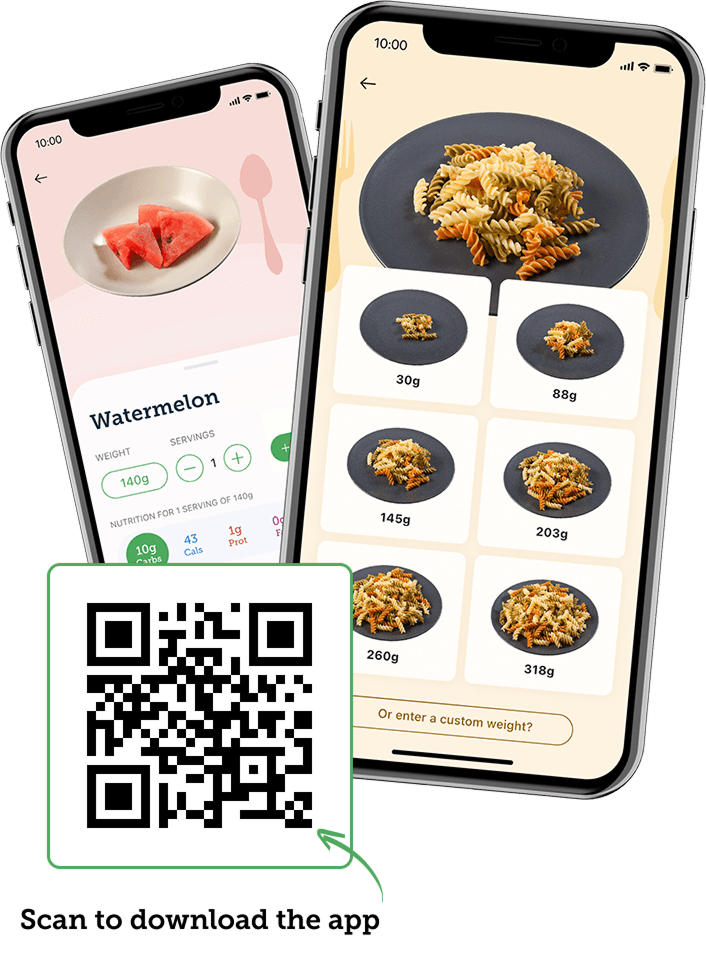
Want to Count Carbs on the Go?
Download the Carbs & Cals Mobile App
The award-winning Carbs & Cals mobile app is the only diet-tracking app that features food and drink photos.
- Search 272,000+ food & drink photos.
- Scan barcodes, snap labels or take a picture of the food on your plate with the Unified Food Scanner.
- Log meals and snacks with accurate carb and calorie info.
- Customise your nutrient view to focus on what matters most.
- Track your nutrients and set goals to stay on track.
At home or on the go, the Carbs & Cals app lets you count carbs and enjoy your food with confidence.


Want to Learn More?
Grab a Copy of Carb & Calorie Counter
The multi-award-winning Carb & Calorie Counter book is your definitive, expert-approved guide to carb and calorie counting.
- Over 1700+ high-quality food photos
- Up to six portion sizes per food
- At-a-glance carbs and key nutrients
- The Original #1 Bestseller
With the “Carb-Counting Bible”, a single flick of the page is all you need to plan nutritious, carb-counted meals.

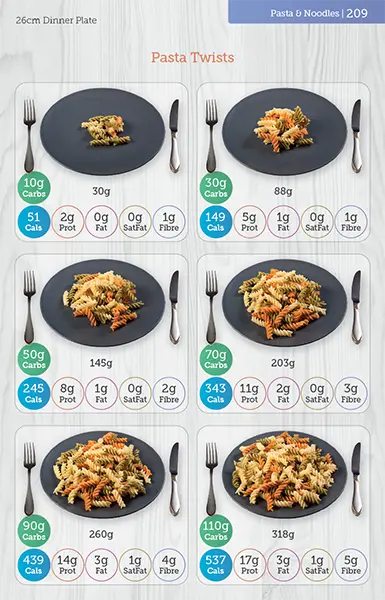
Contains hundreds of food photos that makes carb counting easy!
Sign up to the Carbs & Cals mailing list
Want to learn more about carb counting and the role of food in managing your health? Sign up to our mailing list!