If you’re living with diabetes, you’ve probably focused a lot on carbohydrates. But fibre, a type of carbohydrate that doesn’t spike blood glucose in the same way, is just as important.
In fact, getting enough fibre is one of the most effective ways to support:
- Blood glucose control
- Heart health
- Gut health
- Weight management
This guide explains what fibre is, why it matters for diabetes, and simple ways to increase your intake safely. If you want more detailed information, you can download our handy Fibre and Diabetes information sheet.
What is fibre (and why does it matter)?
Dietary fibre is found in plant foods and isn’t fully digested by your body. Instead, it passes into your gut, where it supports digestion and overall health.
Unlike other carbs, most fibre doesn’t raise blood glucose levels, which makes it especially useful for people with diabetes.
The main types of fibre
- Soluble fibre (oats, lentils, fruit): Slows glucose absorption and helps lower cholesterol.
- Insoluble fibre (wholegrains, nuts, seeds): Supports digestion and keeps you regular.
- Resistant starch (cooled potatoes, rice, legumes): Improves gut health and lowers glycaemic response.
- Prebiotic fibre (onions, garlic, asparagus): Feeds beneficial gut bacteria.
Top tip: Most foods contain a mix of these fibre types, so aim for variety rather than focusing on one.
How much fibre do you need?
In the UK, adults are recommended to eat 30g of fibre per day. However, most people only get around 18 – 20g per day.
People with diabetes are no exception. In fact, many diabetes-specific dietary patterns, such as low-carbohydrate diets, can inadvertently reduce fibre intake if they involve cutting out wholegrains, legumes, and certain fruits. It is entirely possible to follow a lower-carbohydrate approach and still meet fibre targets, but it requires a little more planning.
Children’s requirements are lower and vary by age. If you are supporting a child or young person with diabetes, speak with a paediatric dietitian for age-specific guidance.
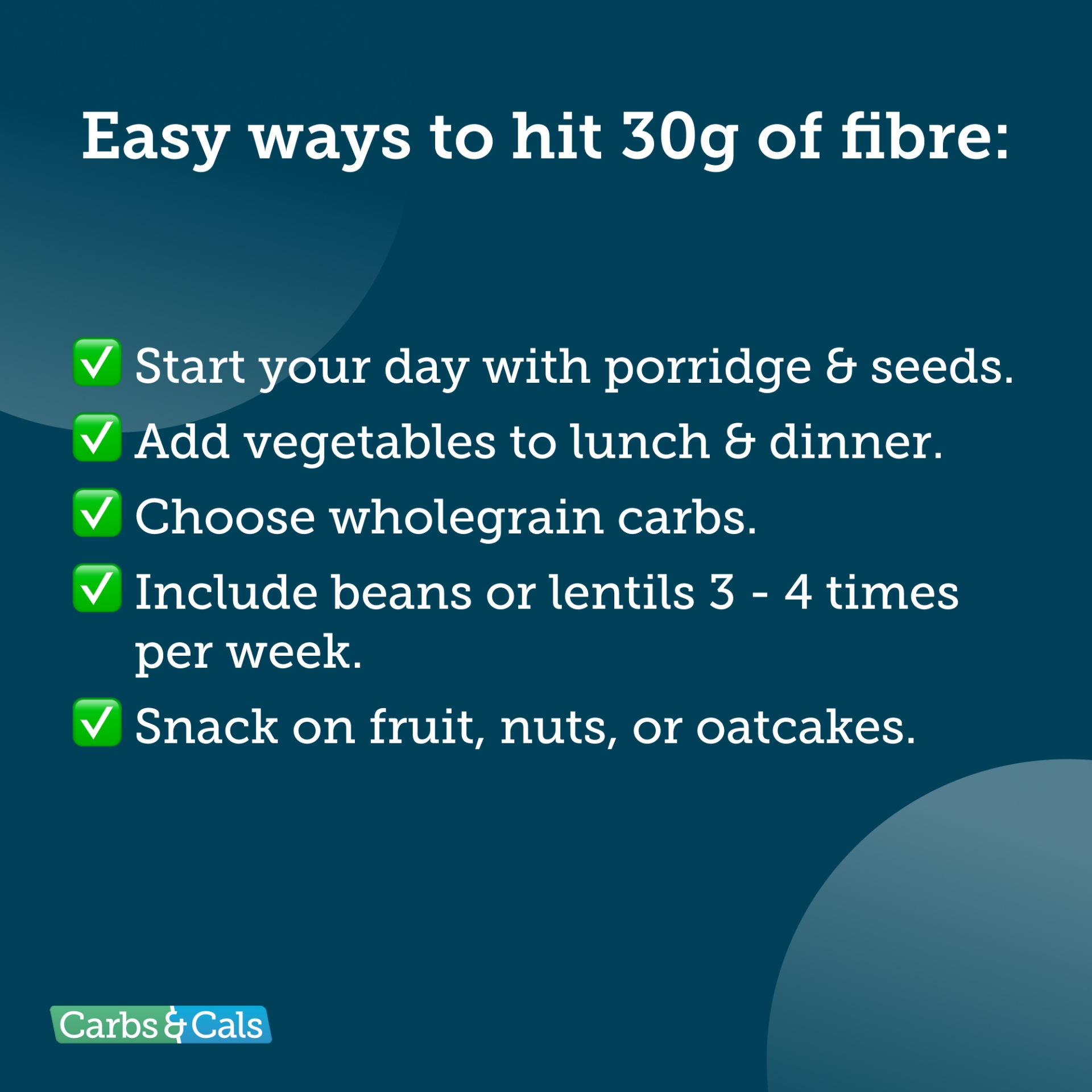
Dietitian tip: How to reach 30g of fibre a day
- Start the day with porridge with nuts and seeds added (around 5g fibre per serving).
- Include at least two portions of vegetables at lunch and dinner.
- Choose wholegrain bread, pasta, or rice over white versions.
- Add a portion of legumes (lentils, chickpeas, beans) 3–4 times a week.
- Snack on fruit, nuts, or oatcakes rather than low-fibre options like crisps.
- Leave the skin on potatoes, apples, and pears where possible.
Why fibre is especially important if you have diabetes
The evidence linking high fibre intake to better health outcomes in people with diabetes is substantial and growing. Here is what the research tells us:
1. Helps manage blood glucose
Fibre slows digestion, leading to steadier blood sugar levels instead of spikes.
2. Supports heart health
High-fibre foods like oats can help lower LDL cholesterol, reducing cardiovascular risk.
3. Improves gut health
Fibre feeds beneficial gut bacteria, supporting your microbiome and immune system.
4. Keeps you fuller for longer
High-fibre meals increase satiety, which can help with weight management.
High fibre foods to include in your diet
Focus on adding more of these foods:
- Wholegrains: oats, brown rice, wholemeal bread, wholewheat pasta
- Legumes: lentils, chickpeas, kidney beans
- Fruit: apples, pears, berries (skin on where possible)
- Vegetables: broccoli, carrots, green beans, spinach
- Nuts & seeds: almonds, chia seeds, linseeds
Simple high-fibre swaps (that actually work)
Small, consistent changes are far more sustainable than dramatic overhauls. Below are some simple swaps to help you build more fibre into your everyday meals. These all feature foods available in the Carbs & Cals food database.
High-fibre breakfast swaps
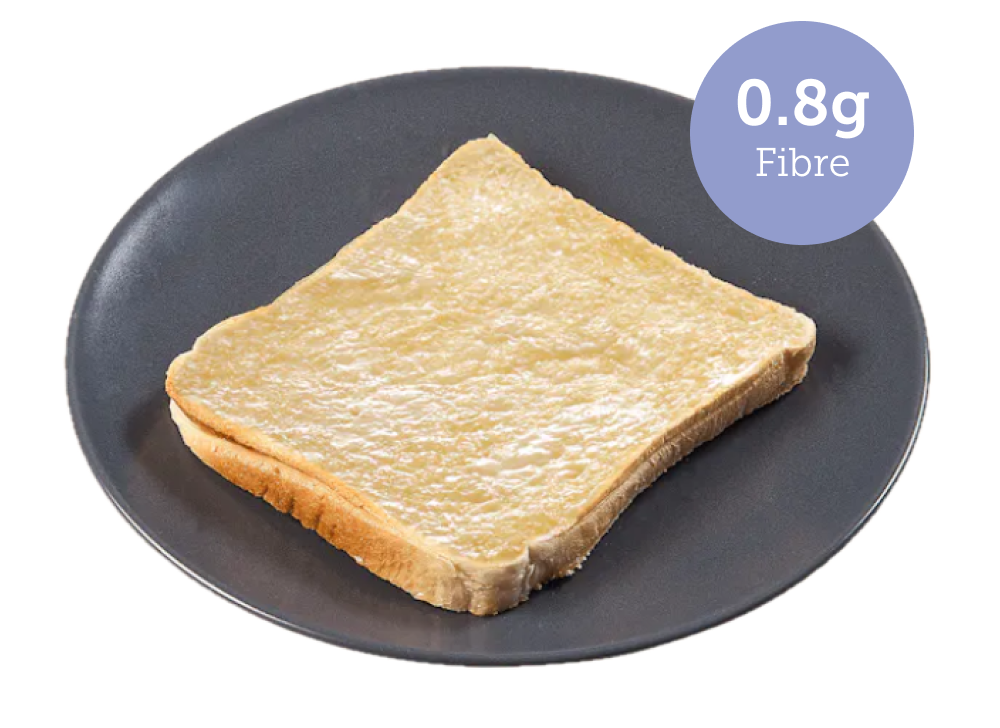
White Toast (butter)
Weight = 31g
↓ SWAP TO ↓
SWAP TO →
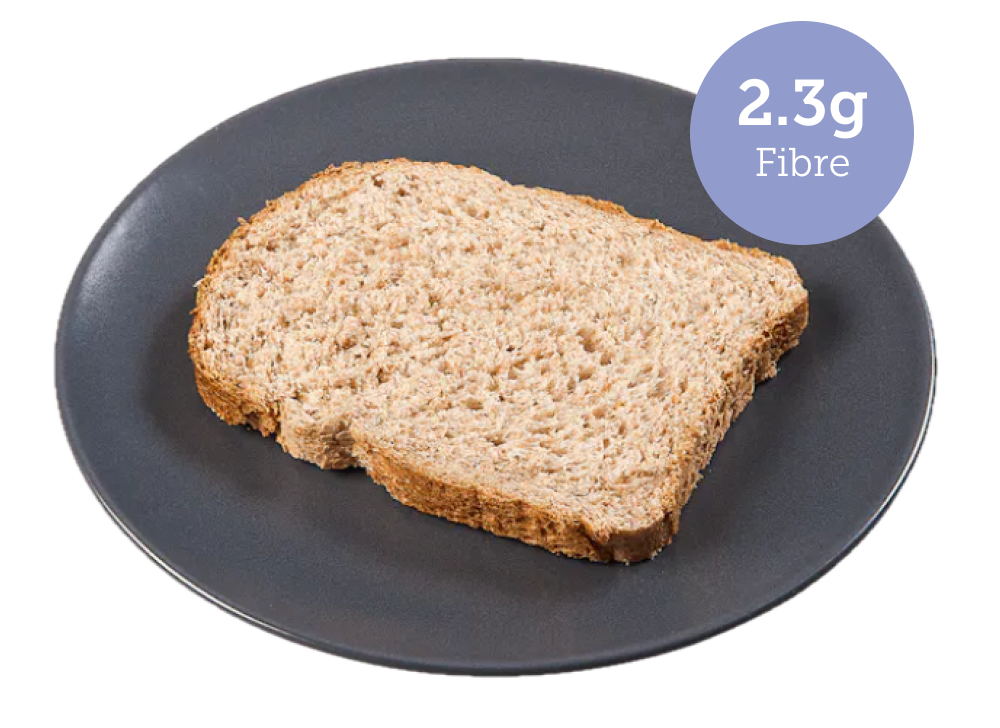
Wholemeal Toast (butter)
Weight = 33g
1.5g of extra fibre!

Orange Juice
Weight = 250ml
↓ SWAP TO ↓
SWAP TO →
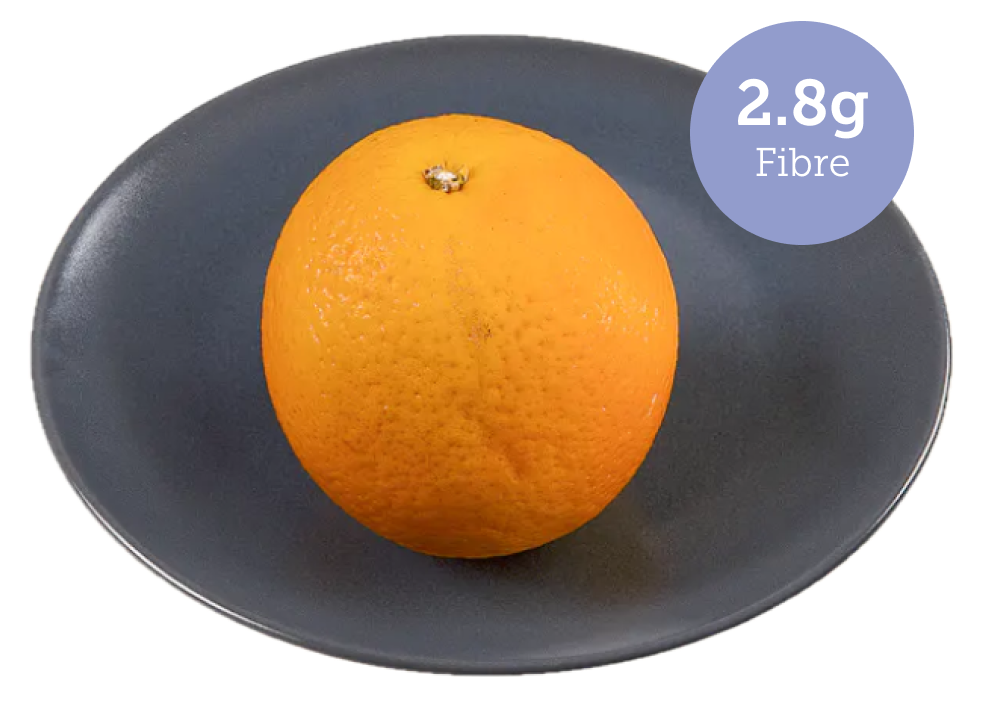
Orange (medium)
Weight = 230g
2.5g of extra fibre!
High-fibre lunch swaps
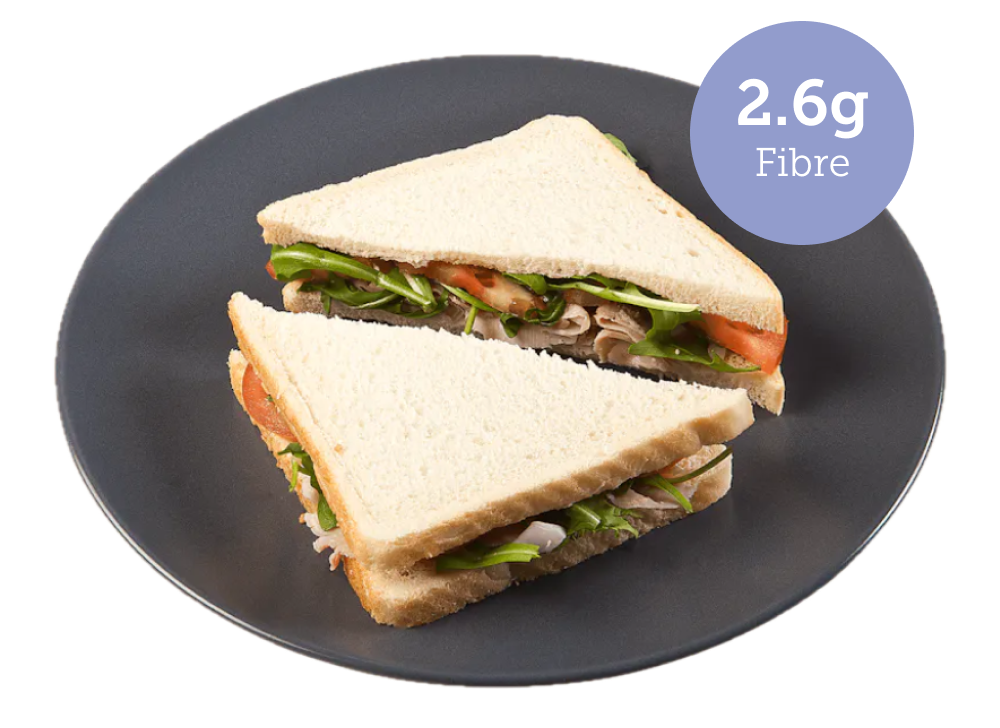
Ham Salad Sandwich
Weight = 160g
↓ SWAP TO ↓
SWAP TO →
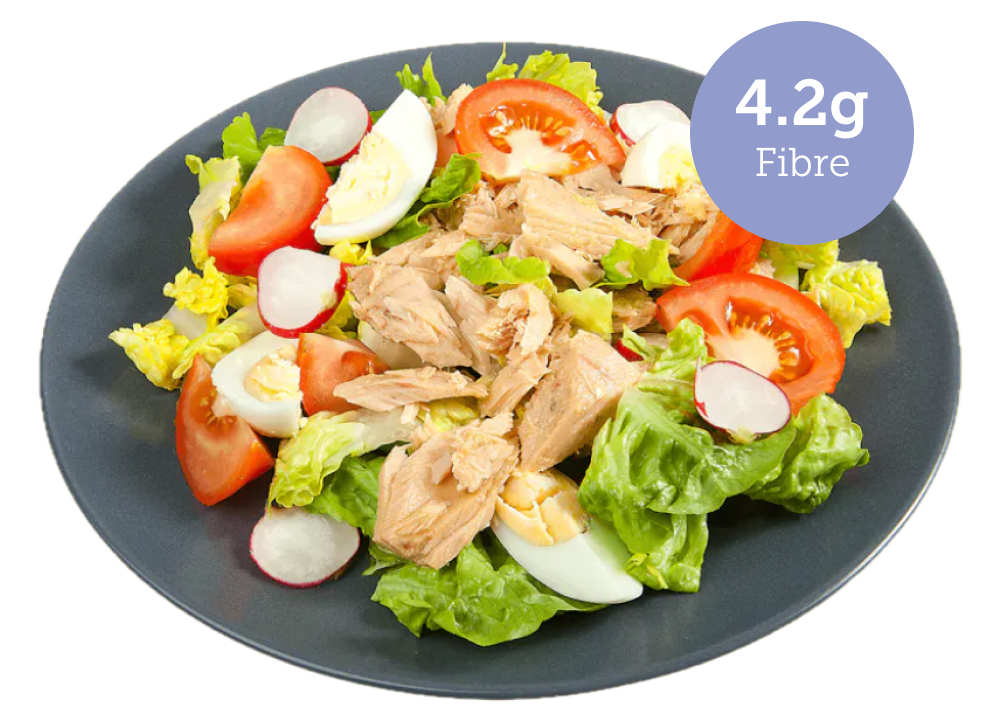
Tuna Niçoise Salad
Weight = 315g
1.6g of extra fibre!

Cornish Pasty
Weight = 162g
↓ SWAP TO ↓
SWAP TO →
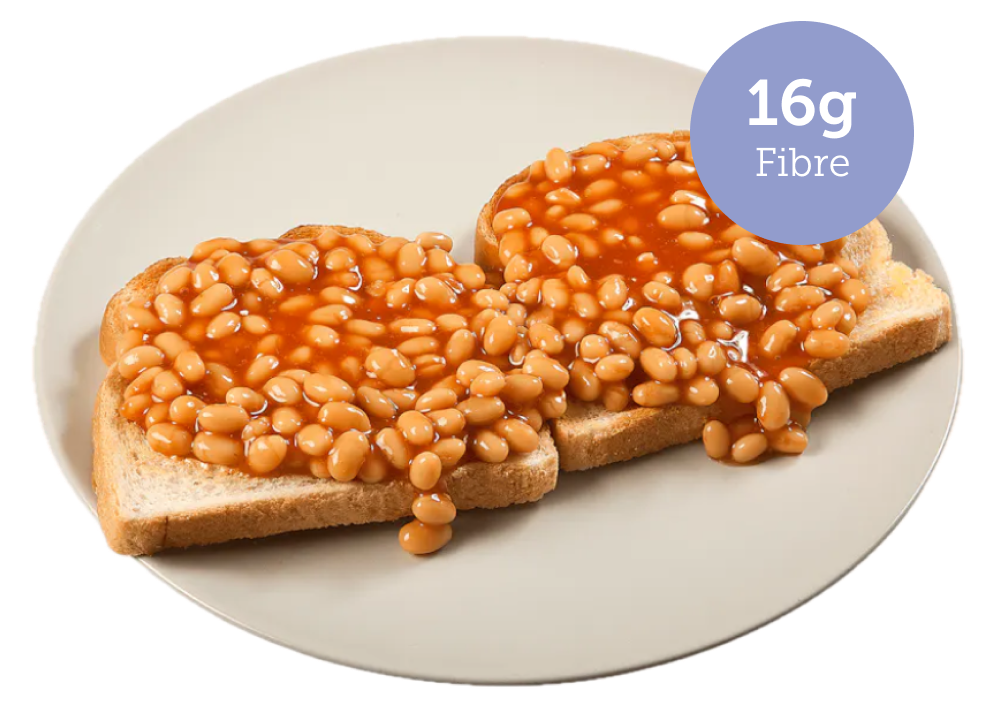
Beans on Toast
Weight = 337g
11.3g of extra fibre!
High-fibre dinner swaps
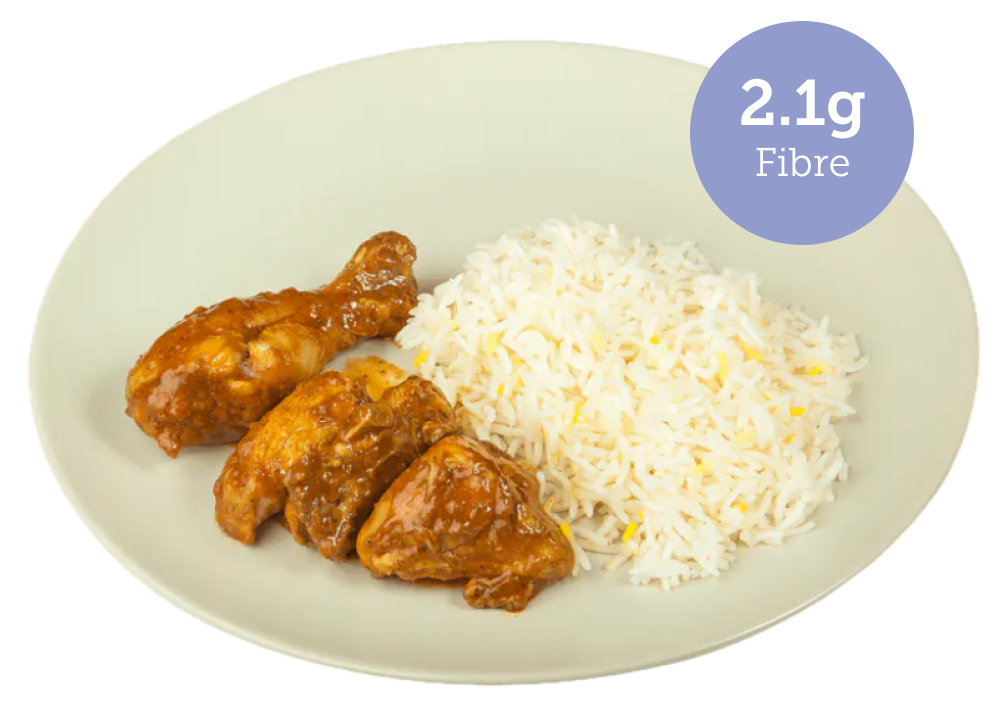
Chicken Curry & Rice
Weight = 250g
↓ SWAP TO ↓
SWAP TO →
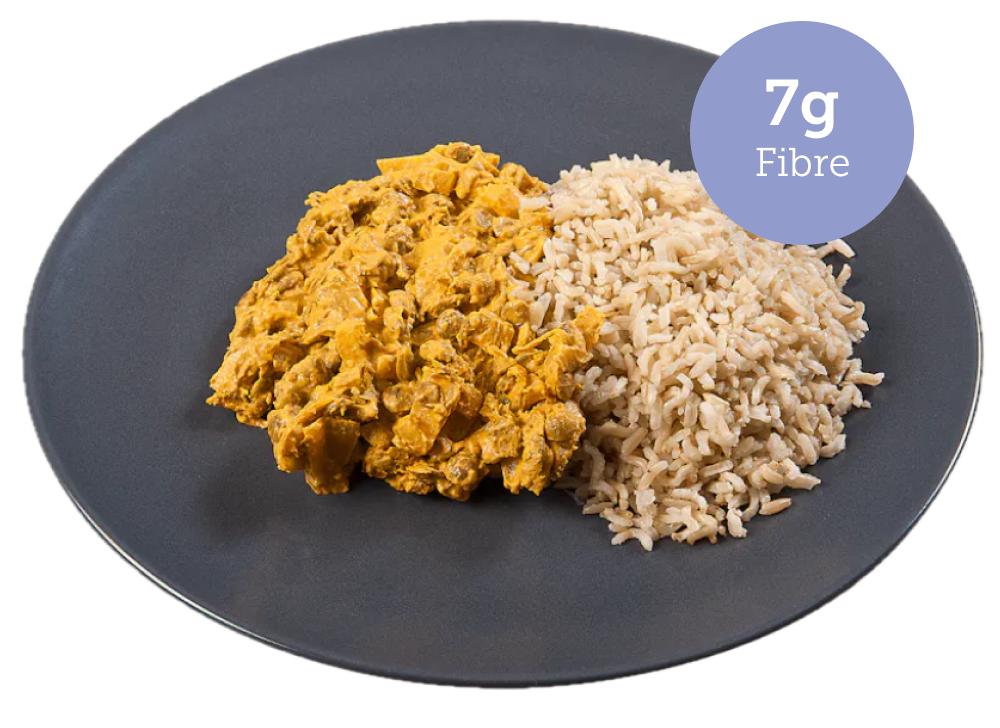
Lentil Curry & Brown Rice
Weight = 280g
4.9g of extra fibre!
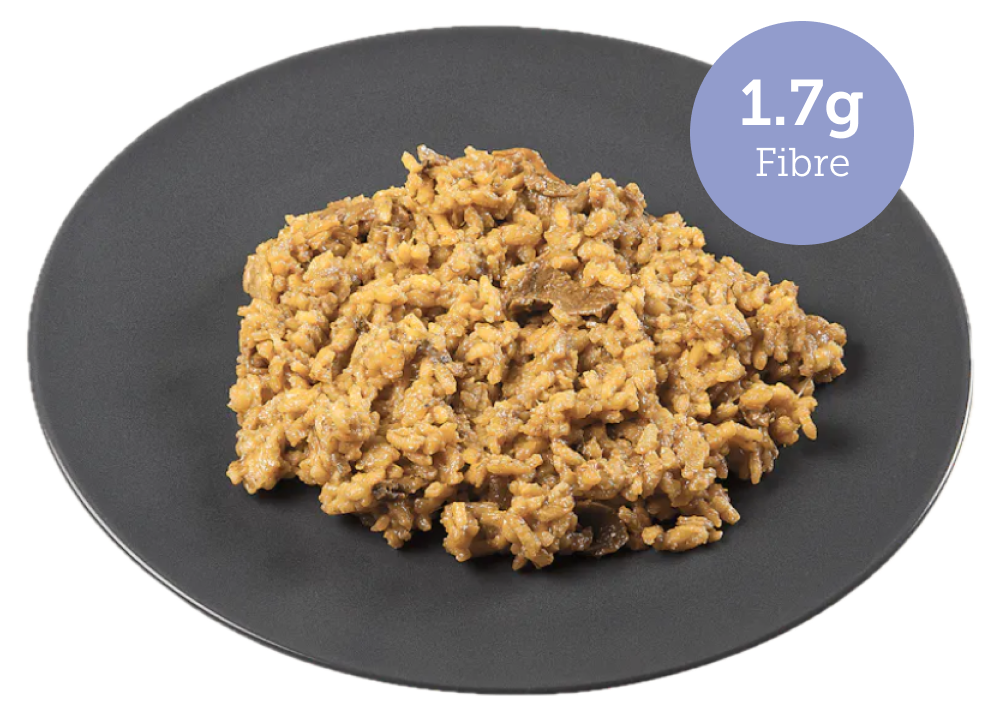
Mushroom Risotto
Weight = 240g
↓ SWAP TO ↓
SWAP TO →
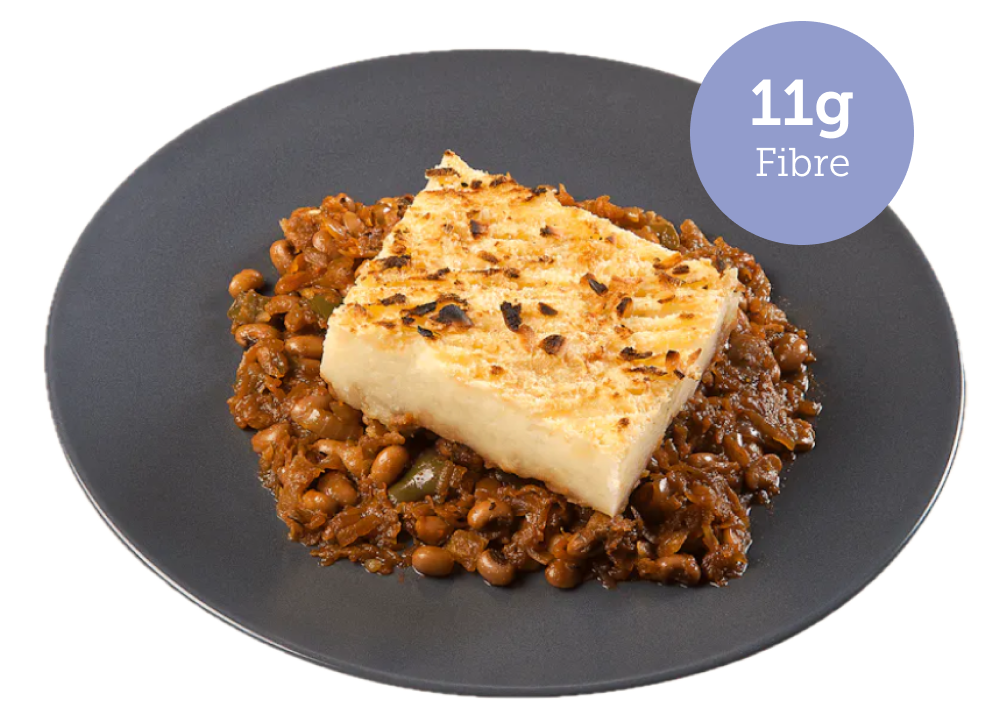
Veggie Shepherd’s Pie
Weight = 400g
9.3g of extra fibre!
High-fibre snack swaps
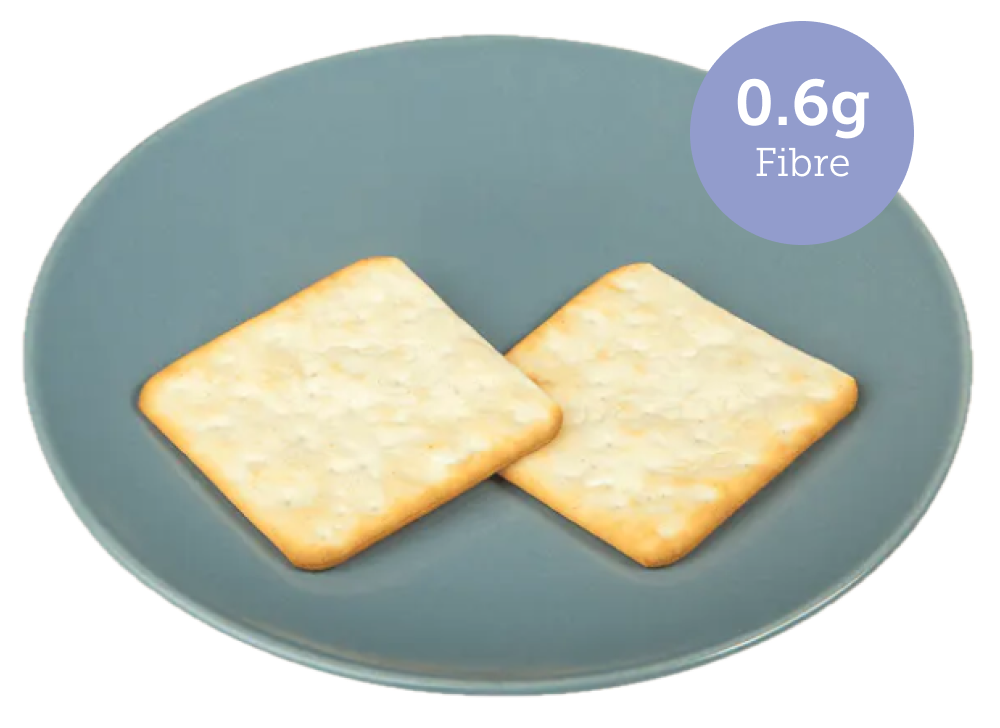
Cream Crackers
Weight = 16g
↓ SWAP TO ↓
SWAP TO →
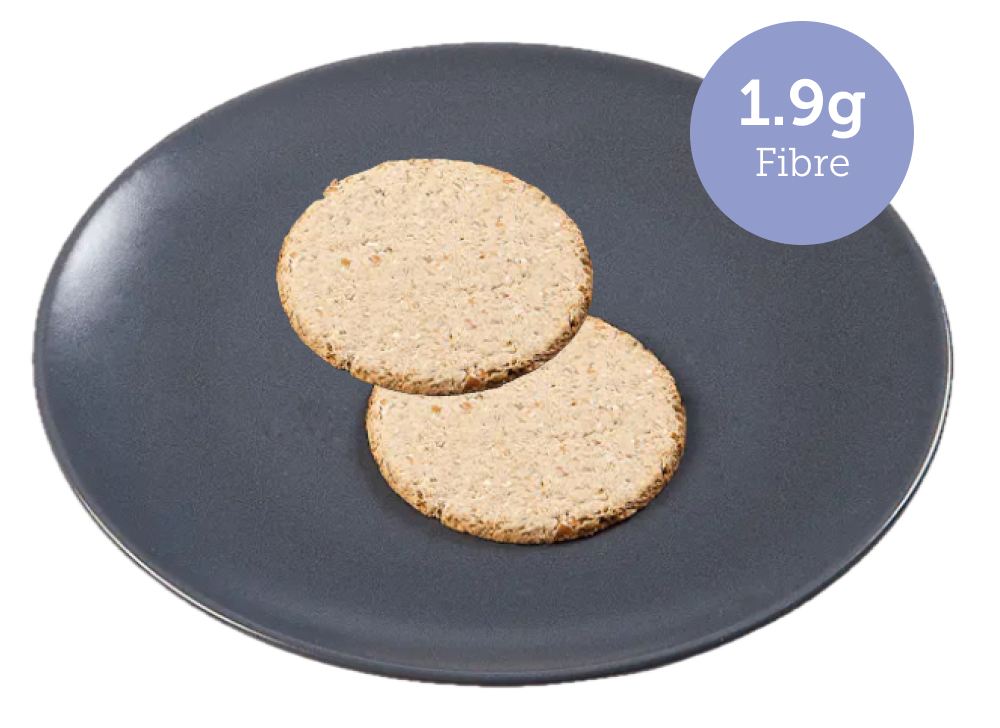
Oatcakes
Weight = 20g
1.3g of extra fibre!
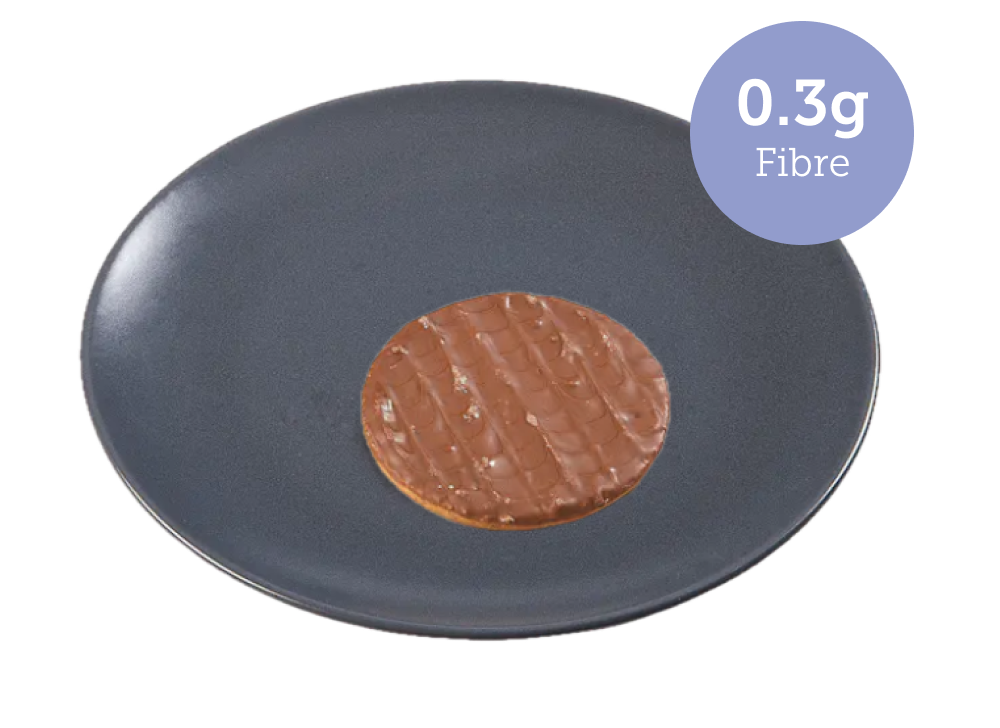
Chocolate Digestive
Weight = 15g
↓ SWAP TO ↓
SWAP TO →
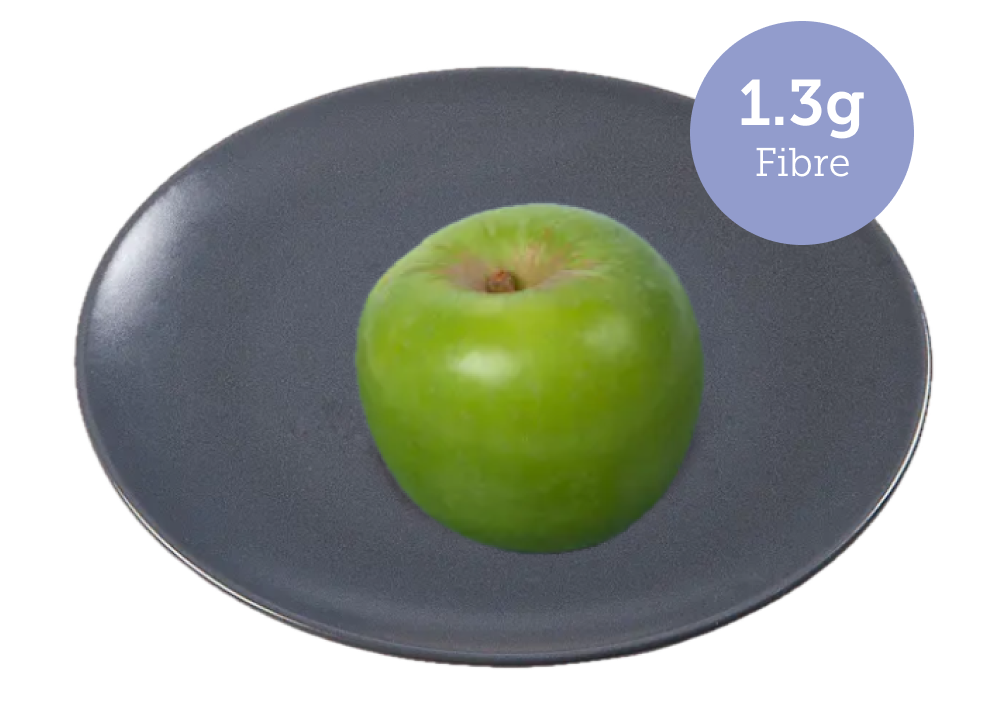
Apple
Weight = 105g
1g of extra fibre!
How to increase your fibre intake safely
One of the most important things to know about fibre is this: increase it gradually. Jumping from a low-fibre diet to 30g a day overnight is a recipe for uncomfortable digestive symptoms such as wind, bloating, abdominal cramps, and changes in bowel habits. These symptoms are not dangerous, but they are unpleasant and can put people off fibre for good.
The golden rules of increasing fibre
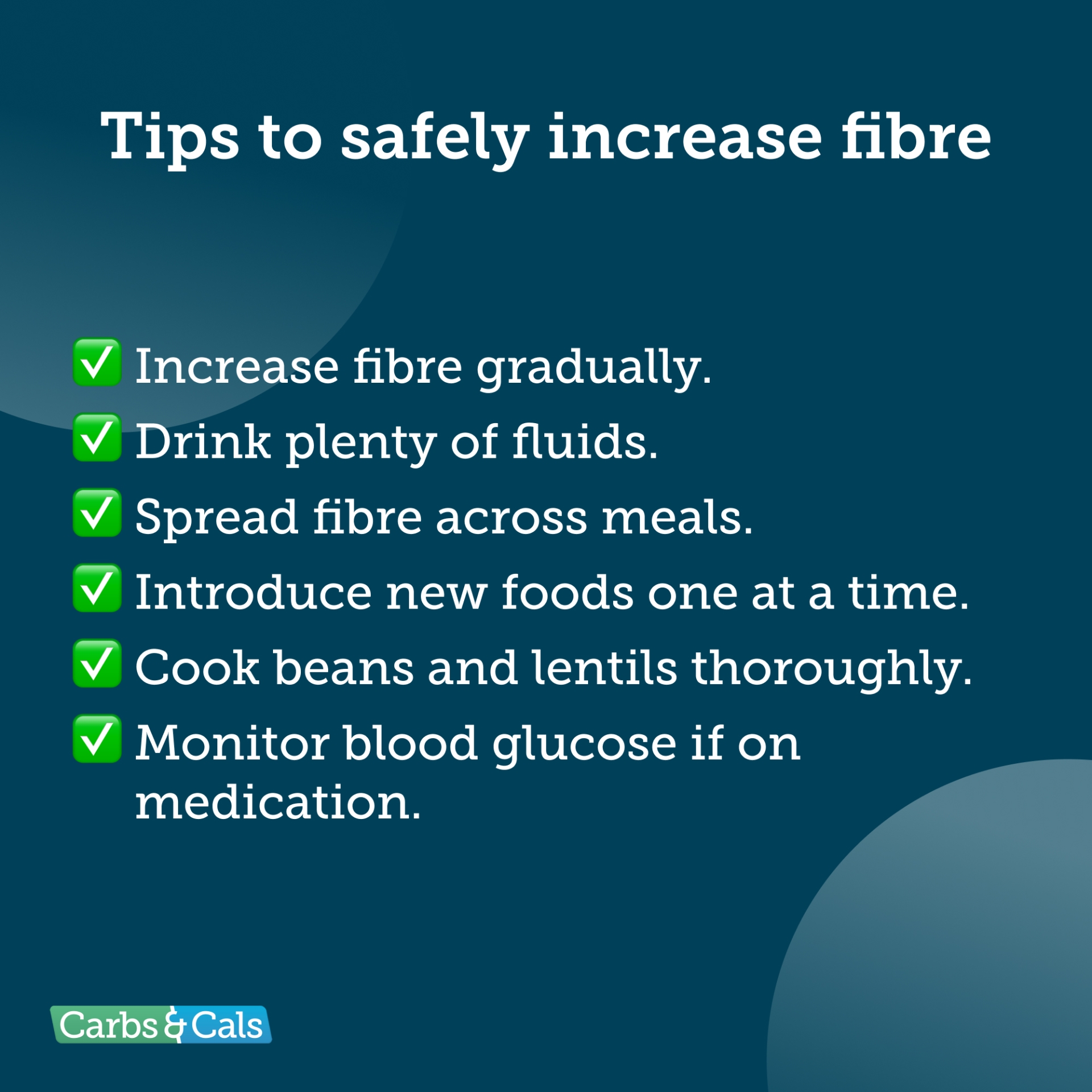
- Increase fibre slowly over 4–6 weeks, adding small amounts at a time.
- Drink plenty of fluids, fibre absorbs water, and without adequate hydration it can cause constipation rather than preventing it. Aim for 6–8 cups (1.5–2 litres) of fluid per day.
- Spread fibre intake across the day rather than trying to get it all in one meal.
- Introduce new fibre sources one at a time so you can identify any that don’t agree with you.
- Cook legumes thoroughly, undercooked beans and lentils are harder to digest.
- If you take diabetes medications that lower blood glucose, monitor your levels more carefully when making significant dietary changes, and speak to your care team.
Potential side effects and when to seek advice
Some digestive discomfort can occur when increasing fibre, especially with certain types. Seek medical advice if symptoms are severe or persistent, and get personalised guidance if you have an existing bowel condition.
This article is intended as general guidance and does not replace personalised advice from your diabetes care team.
Are fibre supplements worth it?
In most cases, whole foods are better than supplements, because:
- They provide vitamins, minerals, and antioxidants.
- The strongest evidence for health benefits comes from food, not supplements.
- Some supplements may still affect blood glucose.
Supplements may help in specific medical situations, but speak to your GP or dietitian first.
When might a supplement be appropriate?
- If you have been diagnosed with a bowel condition and your gastroenterologist or dietitian has recommended one.
- If you are struggling to meet fibre targets through food alone despite best efforts.
- If you have a very restricted diet for medical reasons.
- Always discuss with your GP, dietitian or diabetes care team before starting a fibre supplement.
Key takeaways
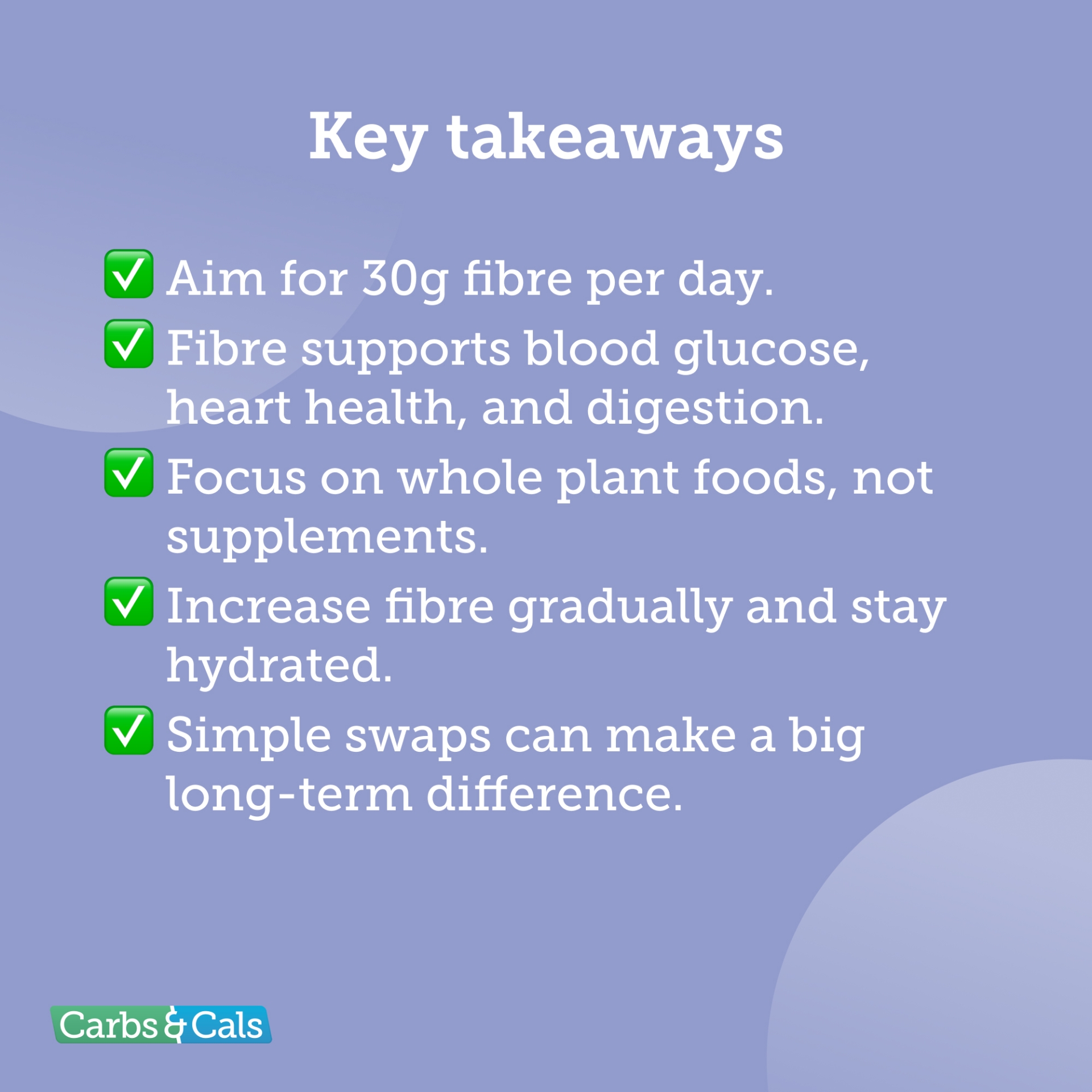
- Aim for 30g of dietary fibre per day, in line with UK government guidelines.
- Fibre comes in different types: soluble, insoluble, resistant starch, and prebiotic; each with distinct benefits. Aim for variety.
- Higher fibre intakes are associated with better blood glucose control, lower cholesterol, improved gut health, better satiety, and reduced cardiovascular risk.
- Whole food sources of fibre are superior to supplements. They provide a complex package of nutrients that isolated fibre products cannot replicate.
- Increase fibre gradually (over 4–6 weeks) and drink plenty of fluids to avoid digestive discomfort.
- Simple swaps, such as wholemeal bread instead of white, adding lentils to stews, and snacking on fruit and nuts, can make a significant difference over time.
- If you are on insulin or glucose-lowering medication, monitor your blood glucose more closely when making significant dietary changes, and discuss any adjustments with your care team.
To learn even more, download our handy Fibre and Diabetes information sheet.
Want to increase your fibre?
Make fibre tracking easier with the Carbs & Cals app
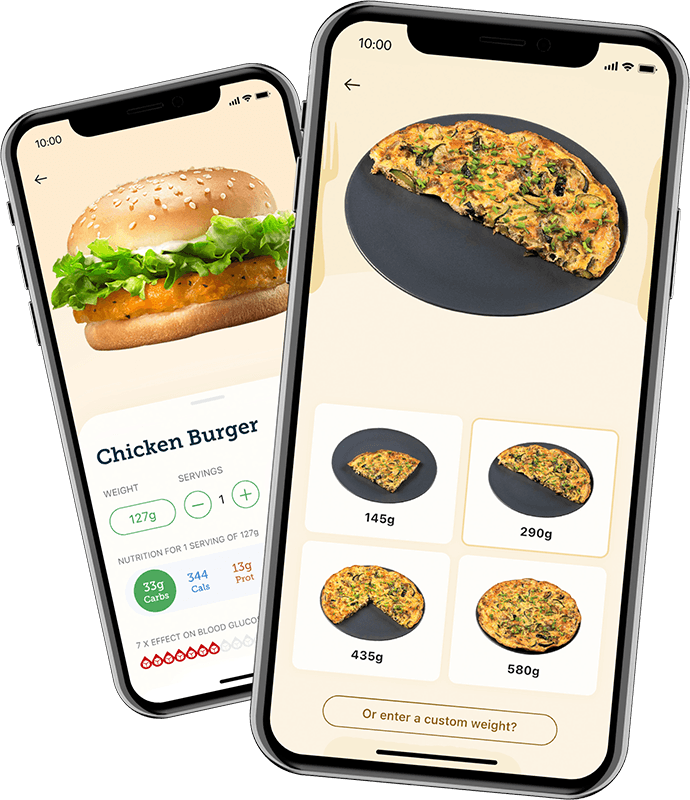
The award-winning Carbs & Cals mobile app is the only diet-tracking app that features food and drink photos.
- Search 272,000+ food & drink photos.
- See up to 6 portion sizes per food.
- NEW Unified Food Scanner: Snap barcodes, food labels or the food on your plate for instant nutrition info.
- Add photos of your favourite foods.
- Track your nutrients and set goals.
- Your personal diet pro.
At home or on the go, the Carbs & Cals app lets you count carbs and enjoy your food with confidence.


Want to Learn More?
Grab a Copy of Carb & Calorie Counter
The multi-award-winning Carb & Calorie Counter book is your definitive, expert-approved guide to carb and calorie counting.
- Over 1700+ high-quality food photos
- Up to six portion sizes per food
- At-a-glance carbs and key nutrients
- The Original #1 Bestseller
With the “Carb-Counting Bible”, a single flick of the page is all you need to plan nutritious, carb-counted meals.

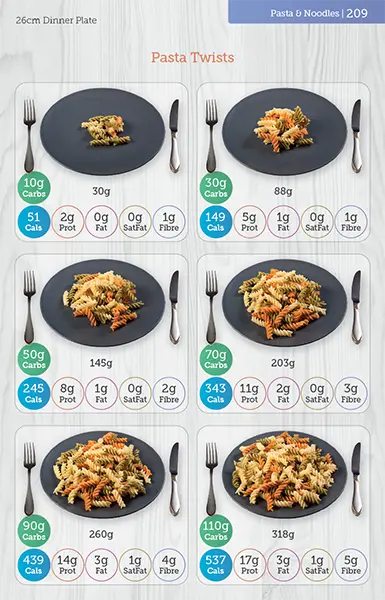
Contains hundreds of food photos that makes carb counting simple!
Sign up to the Carbs & Cals mailing list
Want to learn more about carb counting and the role of food in managing your health? Sign up to our mailing list!