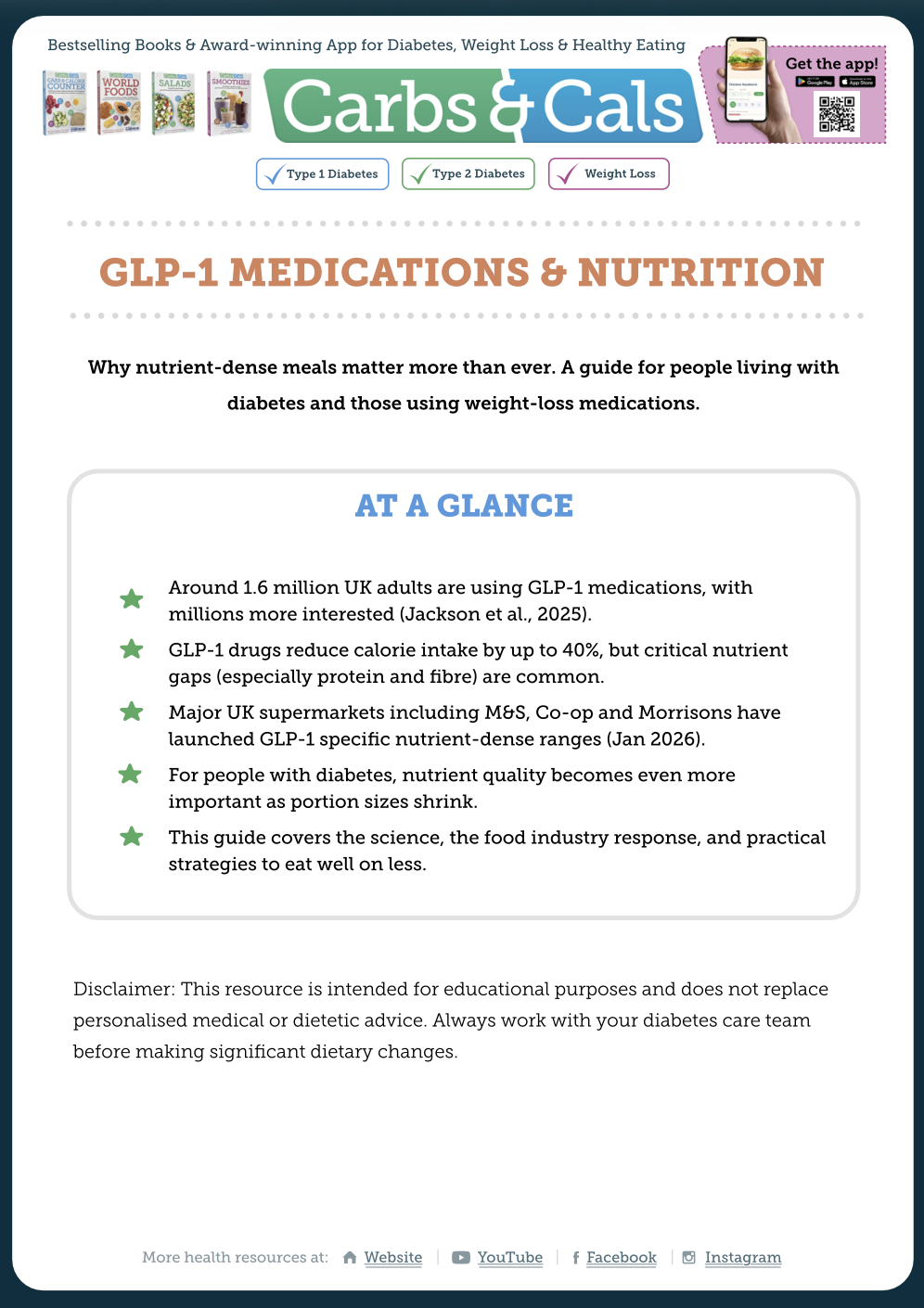
Weight-loss medications such as Ozempic, Wegovy and Mounjaro are changing how millions of people manage obesity and type 2 diabetes. These medications can significantly reduce appetite and food intake, helping people lose weight and improve blood glucose management.
But eating less creates a new nutritional challenge.
When your overall food intake drops, every mouthful needs to deliver more nutritional value. Protein, fibre, vitamins and minerals become even more important – especially for preserving muscle mass, supporting gut health and maintaining energy levels.
This guide explains how GLP-1 medications affect appetite and why nutrient-dense meals become increasingly important when eating less overall. You’ll learn which nutrients people commonly struggle to get enough of, the high-protein and high-fibre foods worth prioritising, and practical strategies for building balanced meals both at home and when eating out. It also explores how the Carbs & Cals app can help you track protein, fibre and carbohydrates more easily while supporting your weight-management and diabetes goals.
Contents
What are GLP-1 medications?
How many people are using GLP-1 medications in the UK?
How GLP-1 medications affect appetite
Eating less can mean missing key nutrients
Why protein is so important on GLP-1 medications
Fibre: Harder to reach, more important than ever
Best foods to eat on GLP-1 medications
Simple nutrient-dense food swaps
Eating out on GLP-1 medications
Supermarkets are responding to the GLP-1 trend
Key takeaways
Frequently Asked Questions about GLP-1 medications and diet
What are GLP-1 medications?
GLP-1 medications (glucagon-like peptide-1 receptor agonists) work by mimicking a natural gut hormone that regulates appetite, slows digestion and stimulates insulin release.
They were originally developed to help people with type 2 diabetes manage blood glucose levels, but they are now widely used for weight management too.
The results can be impressive, but the rapid reduction in appetite also creates nutritional challenges that are only beginning to receive wider attention.
How many people are using GLP-1 medications in the UK?
The numbers are growing fast.
A 2025 survey found that approximately 1.6 million UK adults used a GLP-1 medication for weight loss between 2024 and early 2025, with a further 3.3 million interested in doing so.
The NHS also plans to offer these medications to around 220,000 eligible patients between 2025 and 2028.
For people with type 2 diabetes, GLP-1 medications have been used for longer and are increasingly a second- or third-line treatment option.
How GLP-1 medications affect appetite
GLP-1 medications can reduce total calorie intake by up to 40% compared with before treatment.
That reduction in appetite is part of how the medications support weight loss, but it also means many people struggle to consume enough protein, fibre and micronutrients.
Some people skip meals entirely or rely on very small portions with limited nutritional value.
This is where the idea of “less but better” becomes essential.
When your food intake shrinks, every meal needs to work much harder to provide adequate nutrition.
Eating less can mean missing key nutrients
Many people already struggle to meet nutrition targets before starting GLP-1 medications.
Reduced appetite can make those gaps even larger.
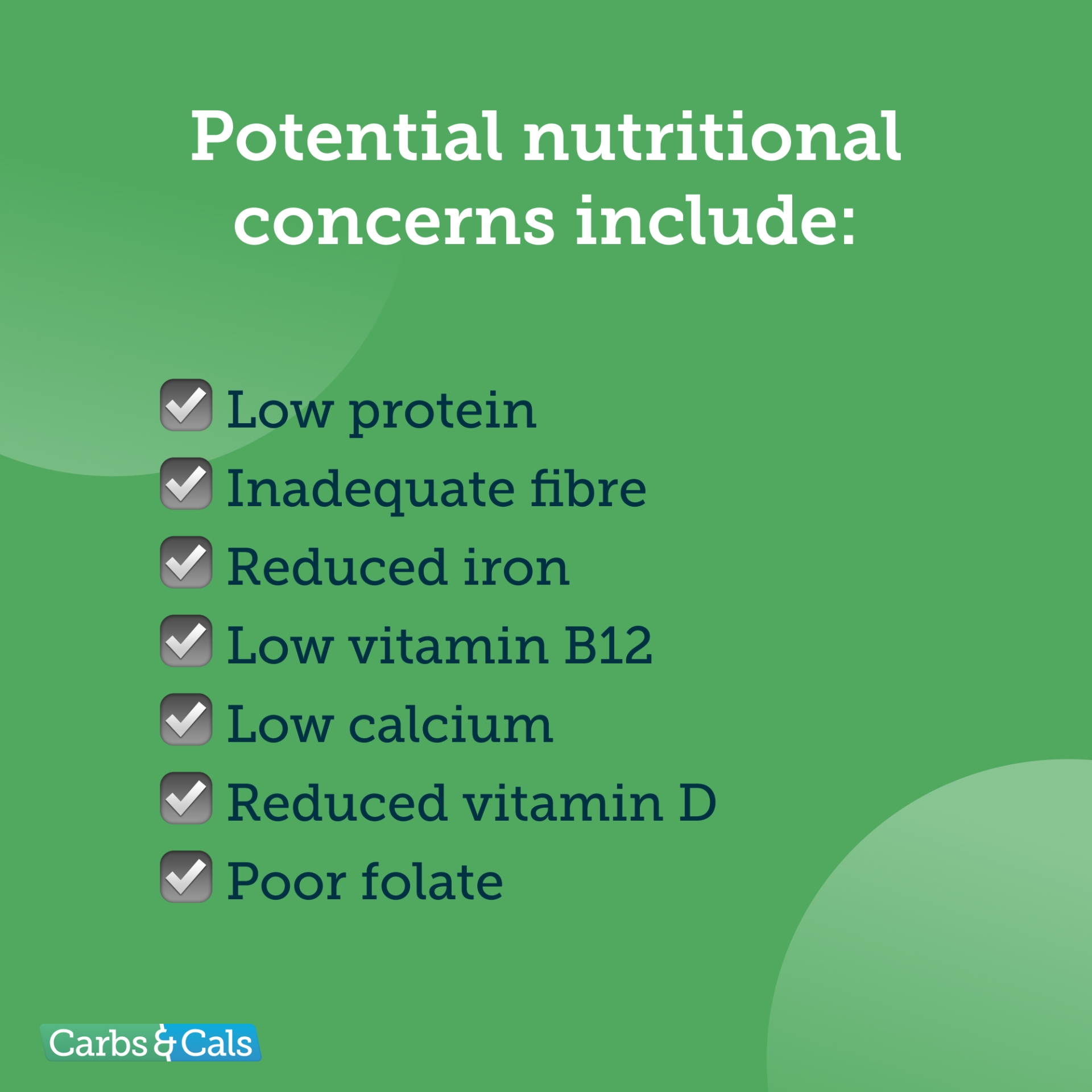
Potential nutritional concerns include:
- Low protein intake
- Inadequate fibre intake
- Reduced iron intake
- Low vitamin B12 intake
- Low calcium intake
- Reduced vitamin D intake
- Poor folate intake
A 2026 study tracking GLP-1 users found average protein intake was only around 0.6g per kilogram of body weight per day, less than half the amount often recommended for people losing weight on these medications.
At the same time, 96% of UK adults already fail to meet fibre recommendations.
This is why food quality matters more than ever on GLP-1 medications.
Why protein is so important on GLP-1 medications
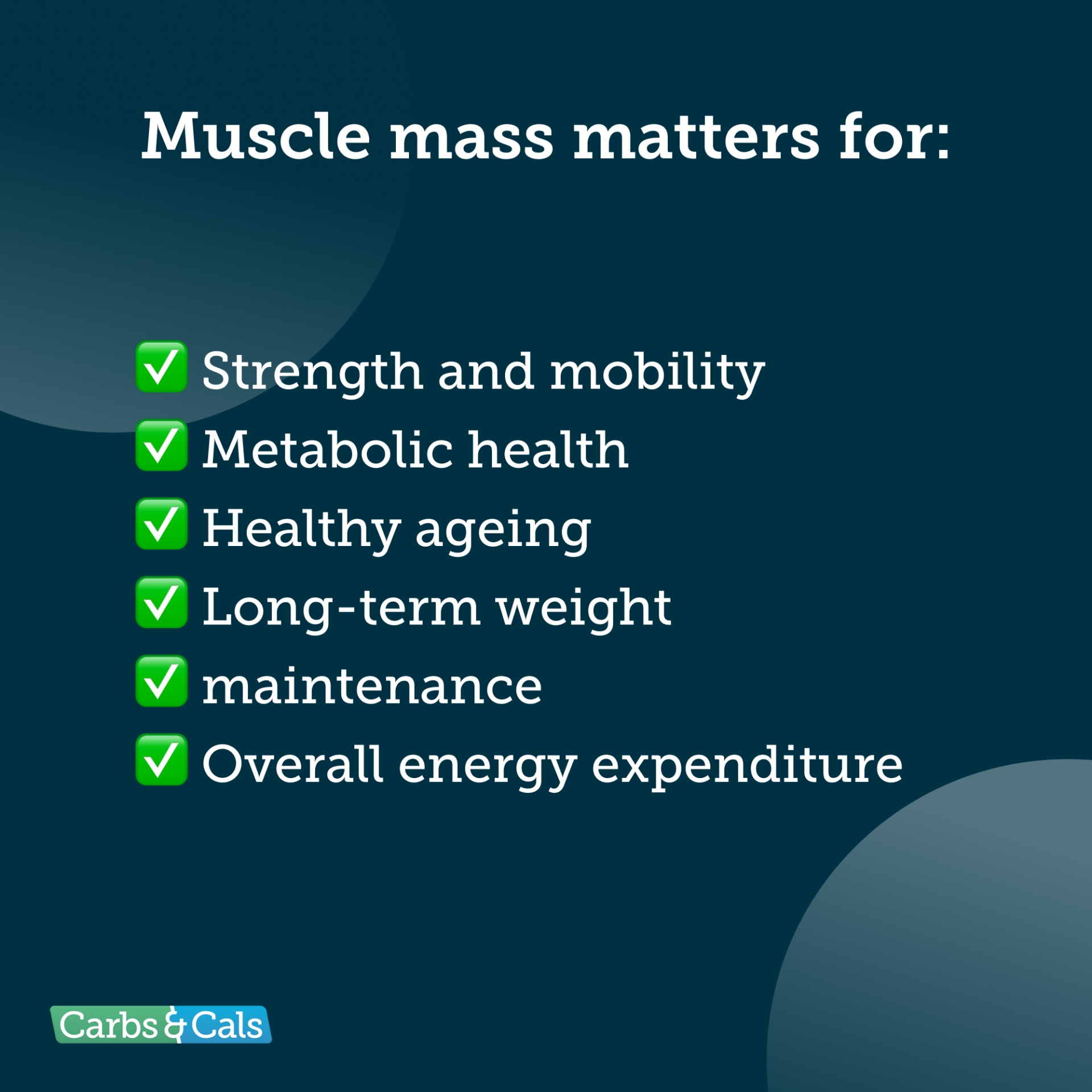
One of the biggest risks associated with rapid weight loss, including weight loss on GLP-1 medications, is loss of lean muscle mass.
Research suggests that approximately 25% of the weight loss during GLP-1 therapy may be due to muscle loss.
Prioritising protein can help support muscle preservation during weight loss.
Expert consensus suggests people using GLP-1 medications may benefit from aiming for around 1.2–1.6g of protein per kilogram of body weight daily, compared with the standard UK recommendation of 0.75g/kg.
For someone weighing 85kg, that could mean aiming for approximately 100–135g of protein per day.
High-protein foods to prioritise:
- Chicken breast and turkey
- Salmon, tuna and white fish
- Greek yoghurt
- Cottage cheese
- Eggs
- Lentils and chickpeas
- Edamame
- Tofu and tempeh
These foods provide protein alongside important nutrients such as calcium, iron, vitamin B12 and fibre.
Fibre: Harder to reach, more important than ever
Most people in the UK already fall short of the recommended 30g of fibre per day.
On GLP-1 medications, meeting fibre targets can become even harder because overall food volume is reduced.
Constipation is one of the most common side effects reported with GLP-1 medications due to slowed gut motility.
Adequate fibre intake, combined with good hydration, can help support digestive health.
High-fibre foods worth prioritising:
- Lentils, chickpeas and kidney beans
- Edamame
- Jumbo oats
- Ground linseeds
- Avocado
- Raspberries and blackberries
- Broccoli and green beans
- Wholemeal bread and seeded crispbreads
Simple changes such as adding ground linseeds to porridge or swapping white pasta for pulse pasta made from lentils or chickpeas can significantly boost fibre intake without increasing portion size.
Best foods to eat on GLP-1 medications?
When appetite is reduced, choosing foods that deliver more nutrition per mouthful becomes increasingly important.
The goal is not simply to eat less. It is to make smaller meals nutritionally stronger.
You can download an example of a nutrient-dense, GLP-1-appropriate day of eating from our GLP-1 Medications & Nutrition guide.
Best high-protein foods
- Greek yoghurt
- Eggs
- Chicken breast
- Salmon and oily fish
- Cottage cheese
- Tofu and tempeh
- Edamame
Best high-fibre foods
- Lentils
- Chickpeas
- Oats
- Berries
- Linseeds
- Broccoli
- Beans and pulses
Nutrient-dense snack ideas
- Greek yoghurt with berries
- Boiled eggs and rye crispbreads
- Edamame
- Mixed nuts
- Houmous with vegetables
Simple nutrient-dense food swaps
Making a few small swaps can help you increase your intake of protein, fibre and micronutrients while keeping portions manageable. Below are a few ideas of swaps you can make throughout the day to increase nutrient intake. For more food swaps, download our handy guide, GLP-1 Medications & Nutrition.
Nutrient-dense breakfast swap
Why it helps on GLP-1s: Higher protein, fibre, and micronutrients; more stable glucose response.
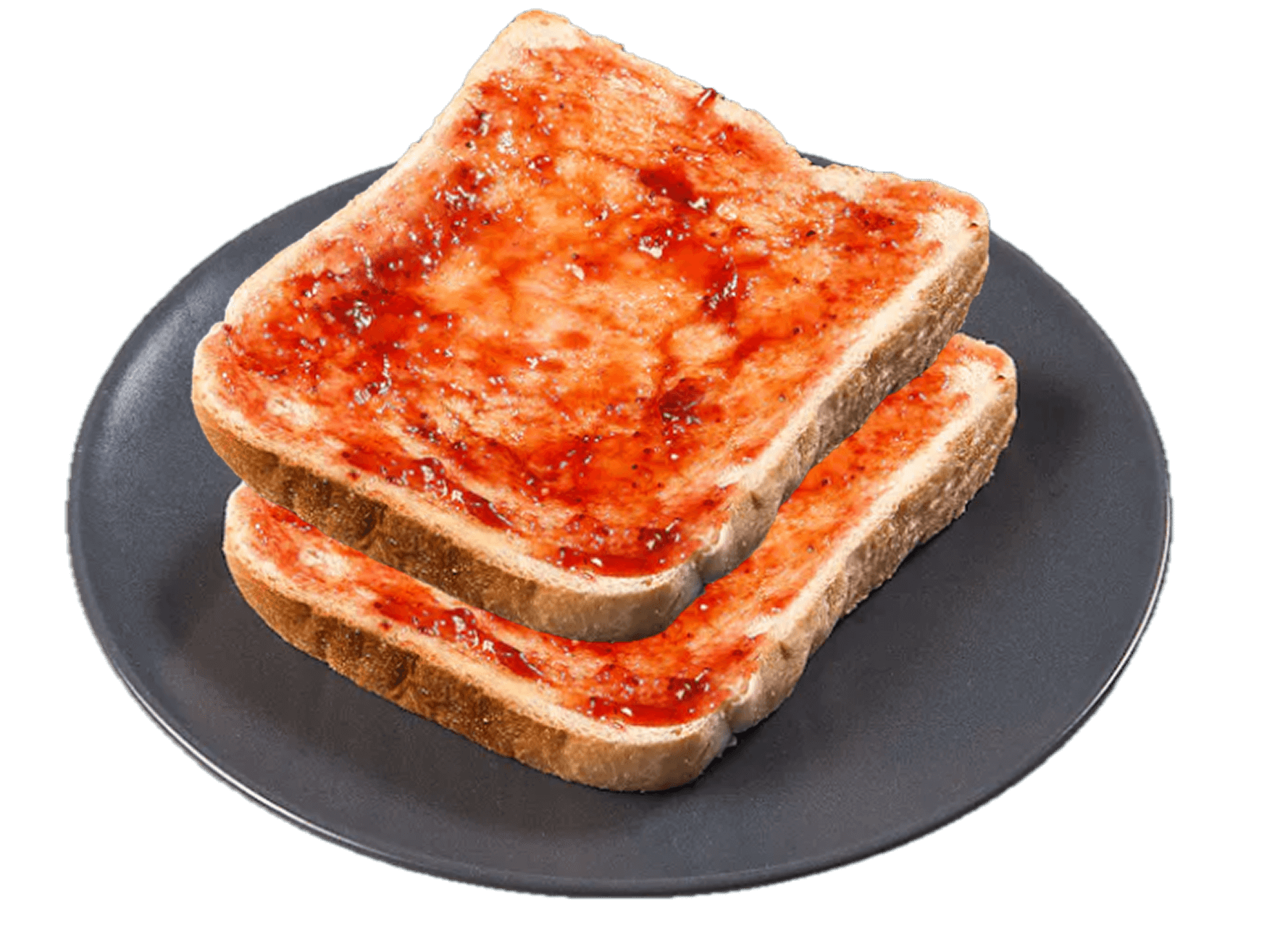
White Toast (jam & butter)
Weight = 72g
37g Carbs / 2g Fibre / 5g Protein
↓ SWAP TO ↓
SWAP TO →
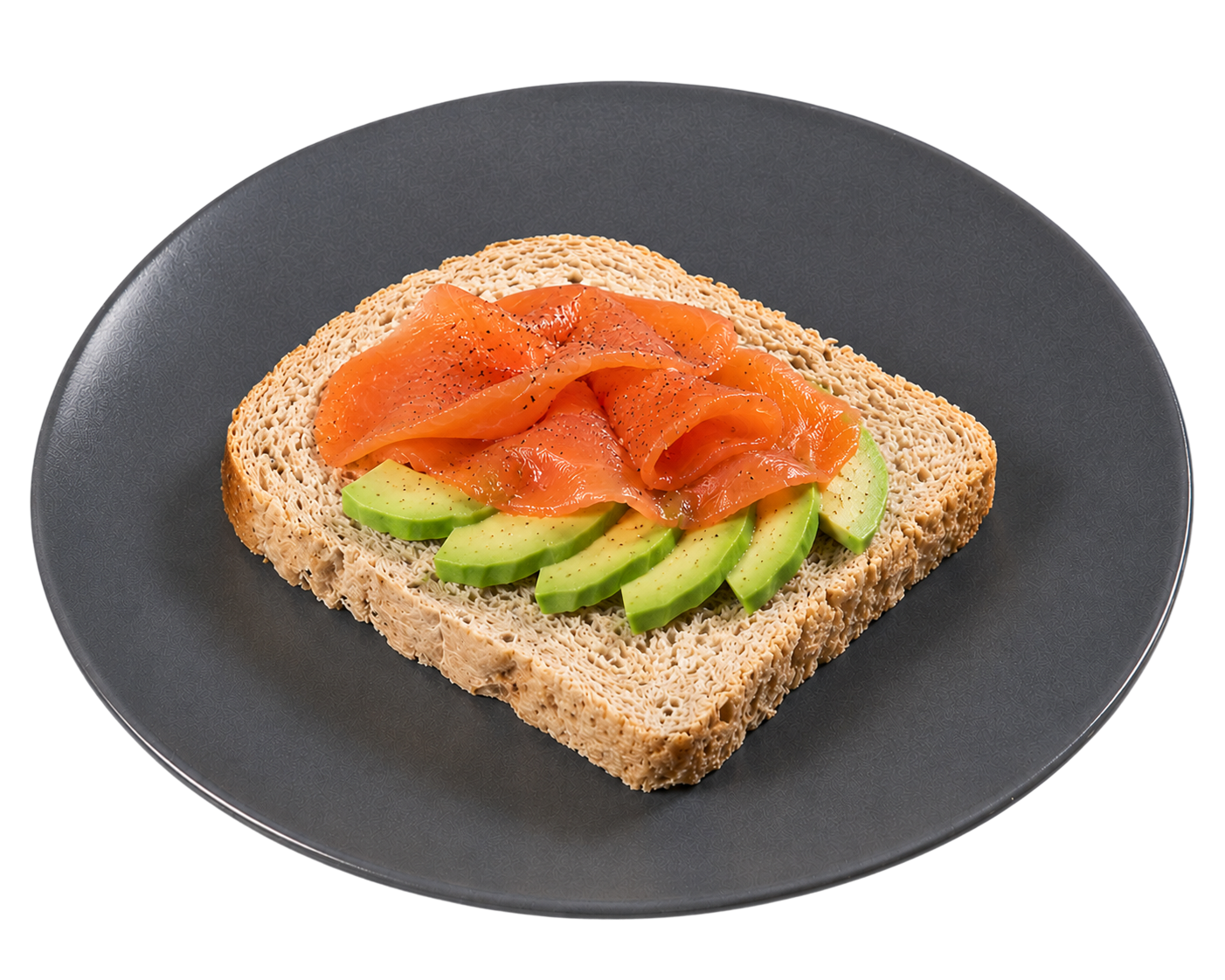
Granary Toast with smoked salmon and avocado
Weight = 164g
21g Carbs / 5g Fibre / 16g Protein
Nutrient-dense lunch swap
Why it helps on GLP-1s: Protein, iron, folate, and fibre in an easily-tolerated format.
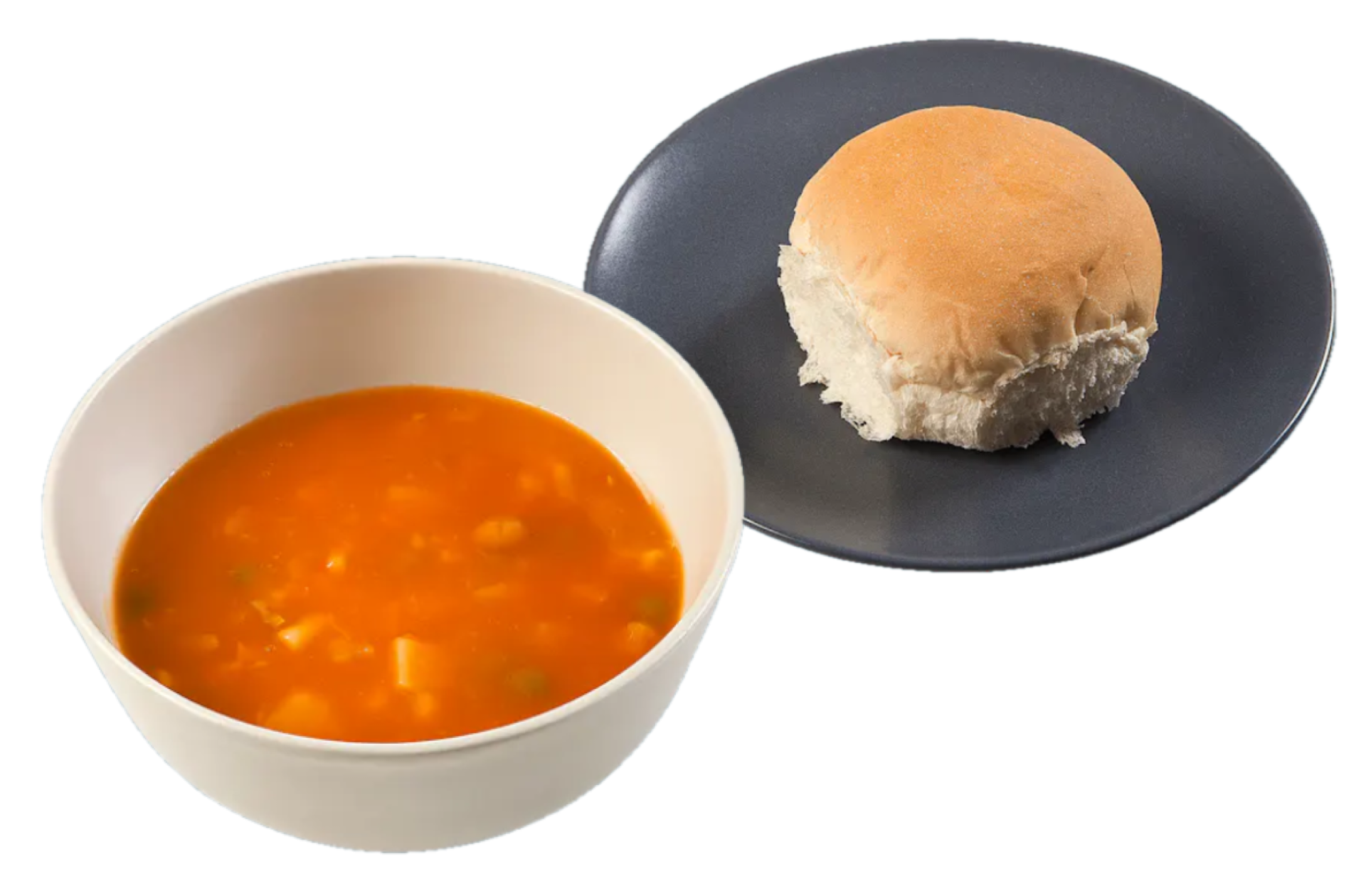
Chunky Vegetable Soup & Bap
Weight = 200g
55g Carbs / 9g Fibre / 10g Protein
↓ SWAP TO ↓
SWAP TO →
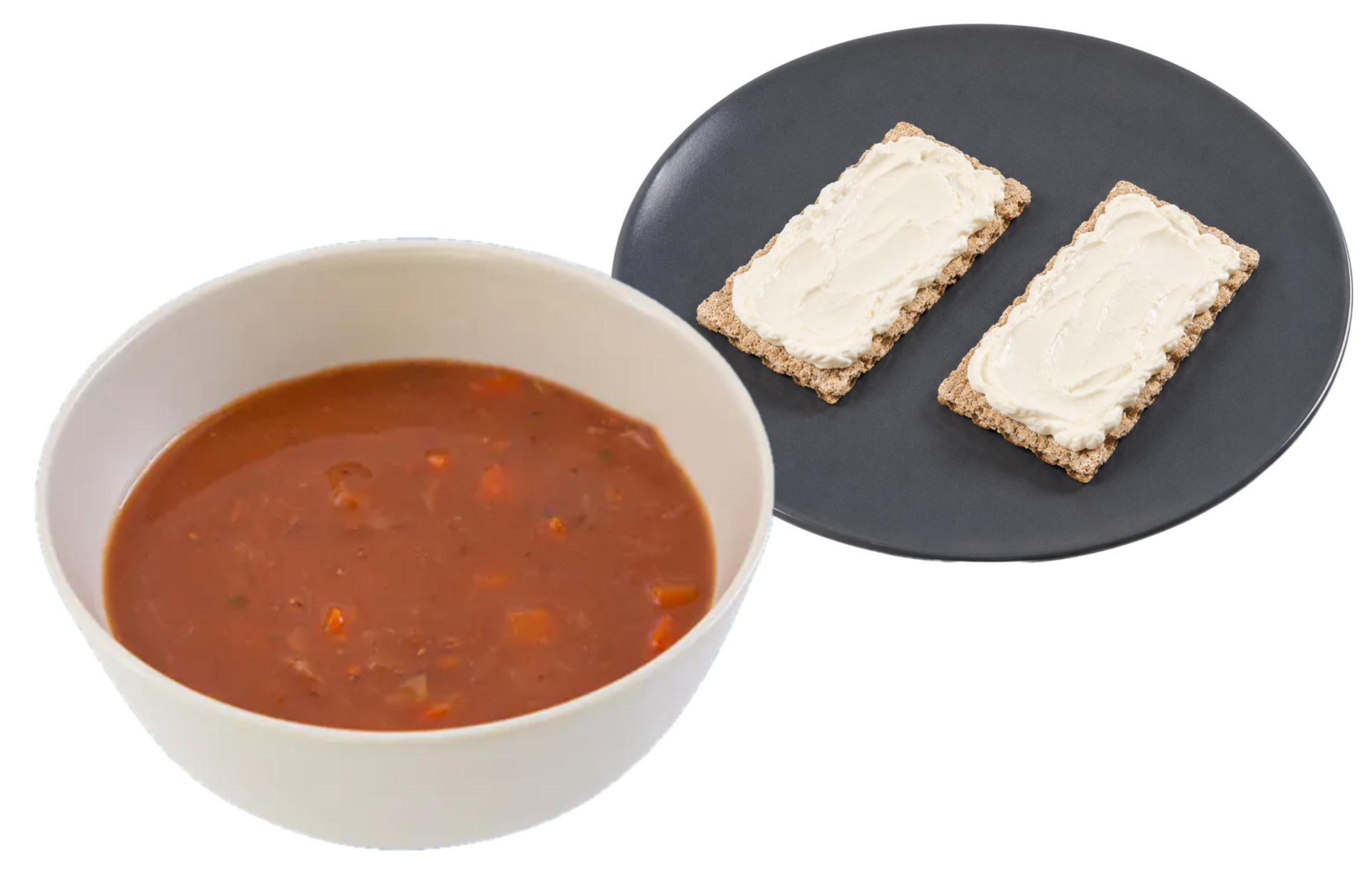
Lentil Soup, Wholegrain Crispbreads & Cream Cheese
Weight = 315g
45g Carbs / 12g Fibre / 18g Protein
Nutrient-dense dinner swap
Why it helps on GLP-1s: Higher protein and fibre per mouthful; pulse pasta boosts iron and folate.
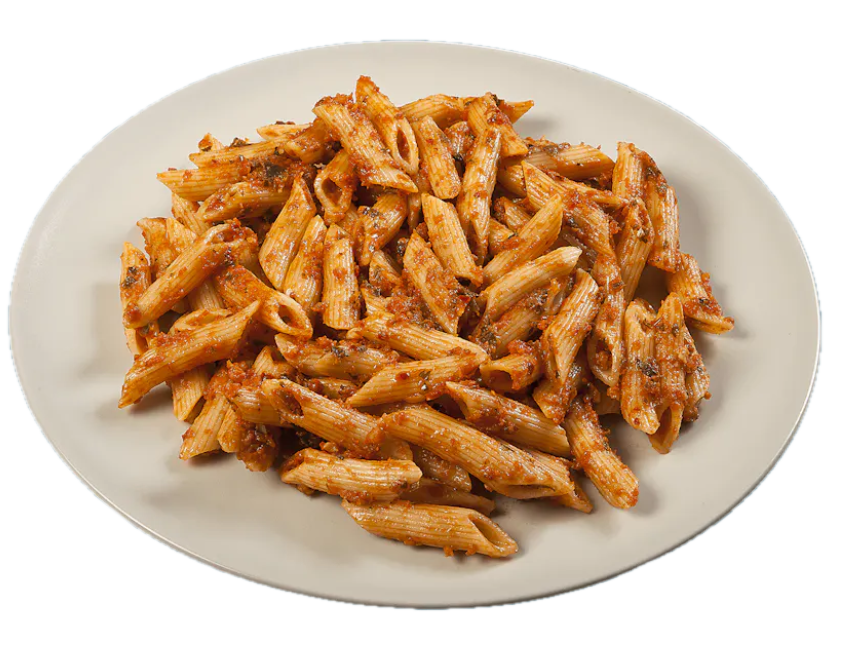
Penne Arrabbiata
Weight = 340g
66g Carbs / 6g Fibre / 12g Protein
↓ SWAP TO ↓
SWAP TO →
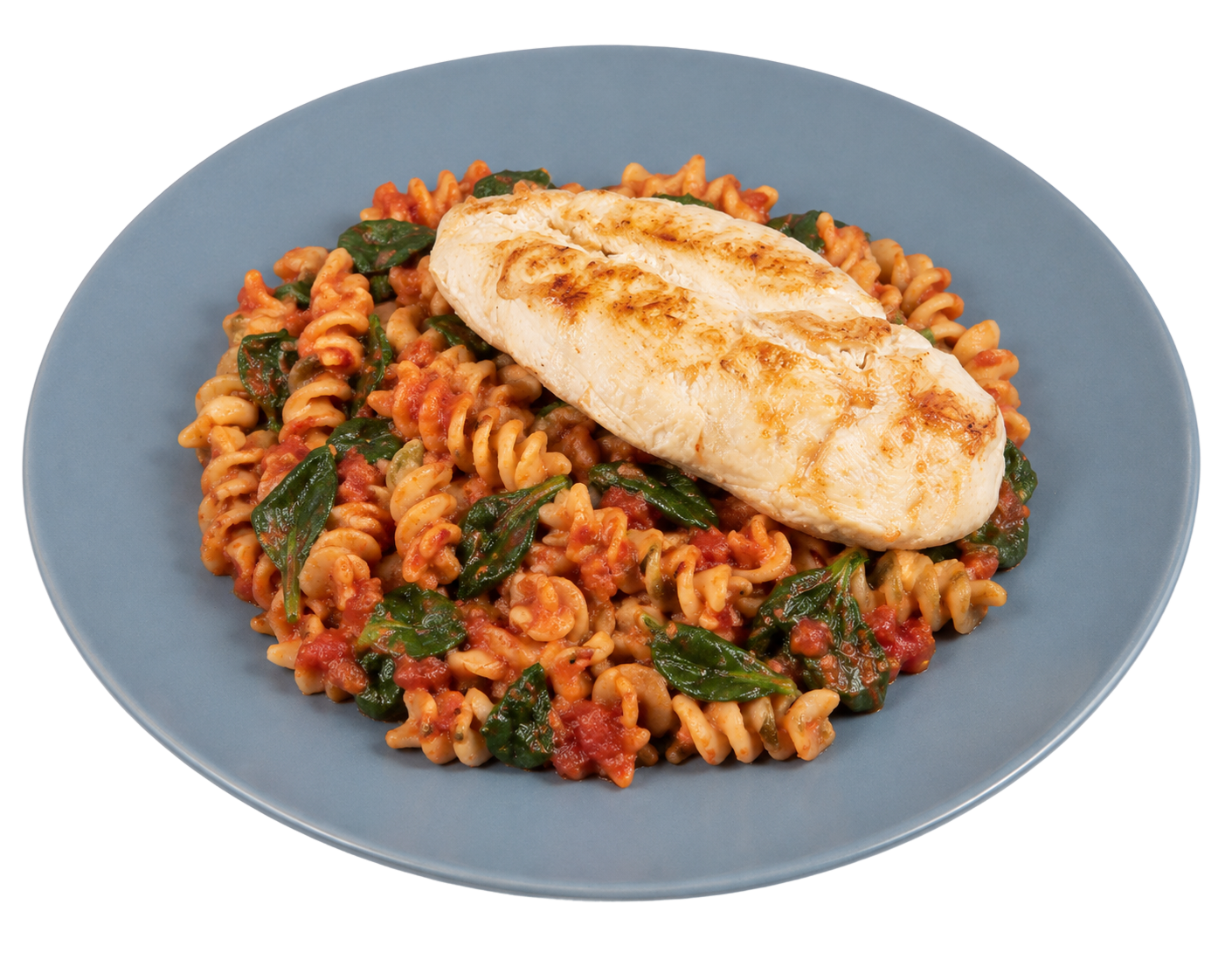
Lentil Curry & Brown Rice
Weight = 440g
29g Carbs / 7g Fibre / 78g Protein
Nutrient-dense snack swap
Why it helps on GLP-1s: Protein, calcium, healthy fats, and fibre in a small serving.
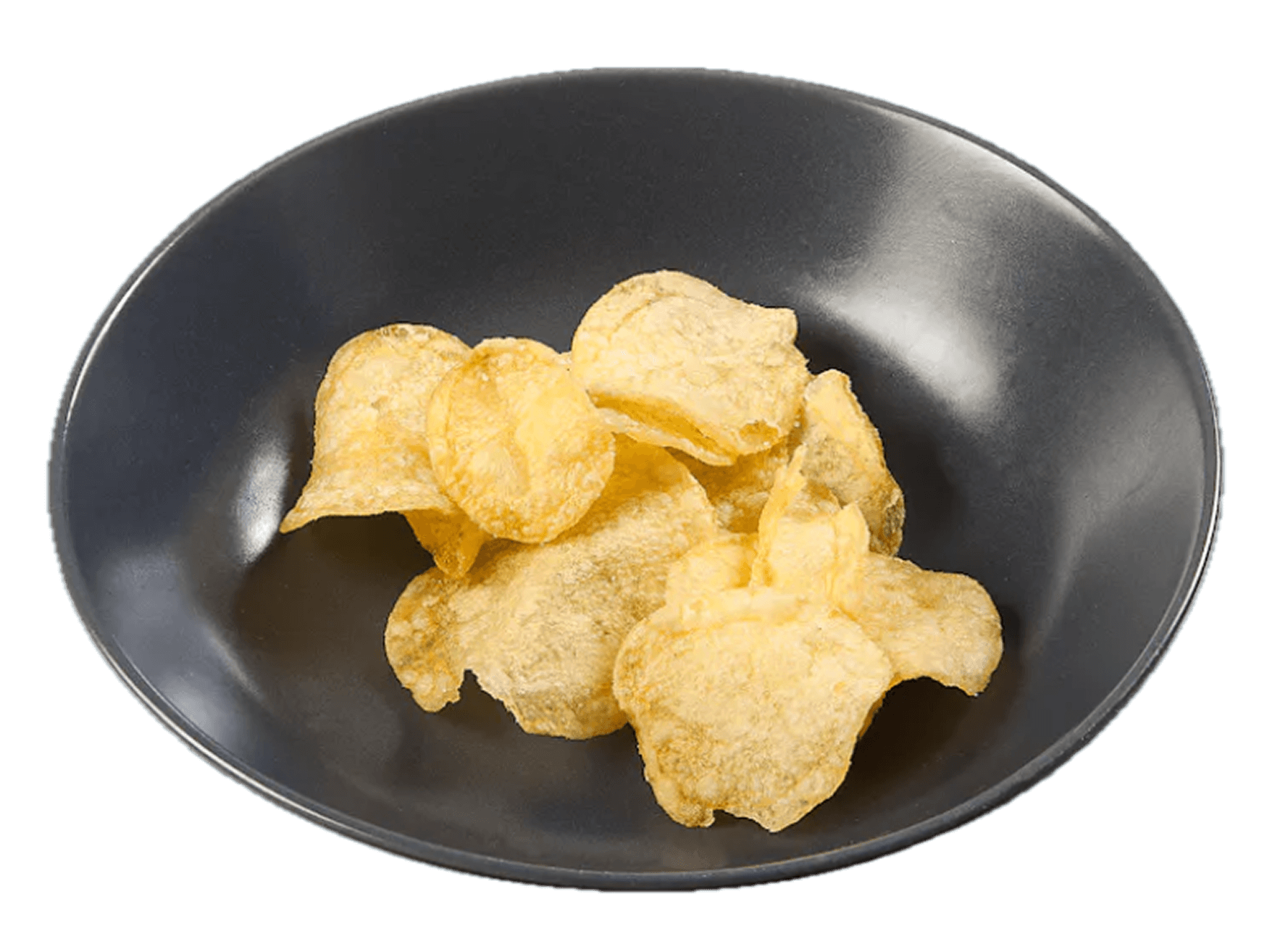
Crisps
Weight = 28g
16g Carbs / 1g Fibre / 2g Protein
↓ SWAP TO ↓
SWAP TO →
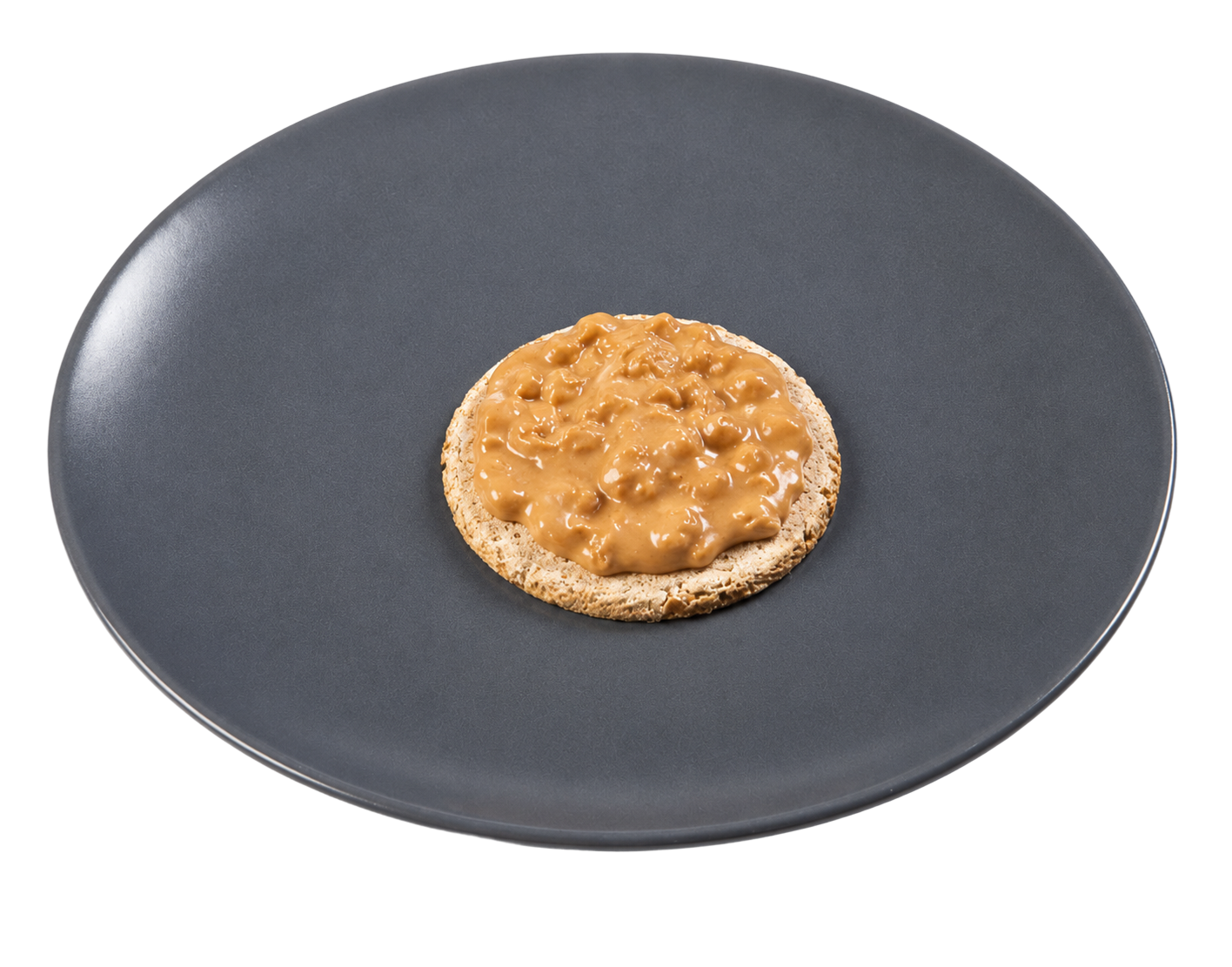
Oatcake & Peanut Butter
Weight = 25g
8g Carbs / 2g Fibre / 5g Protein
Eating out on GLP-1 medications
The restaurant industry is already adapting to changing eating habits linked to GLP-1 medications.
Research suggests many GLP-1 users prefer smaller portions and more protein-forward menu options when dining out.
Practical tips for eating out on GLP-1 medications:
- Choose meals with a clear protein source such as fish, chicken, eggs or legumes.
- Consider ordering a starter as your main meal.
- Add vegetable-based sides such as salads or steamed greens.
- Avoid feeling pressured to finish large portions.
- Limit alcohol if you use insulin or sulphonylureas, as GLP-1 medications do not protect against hypoglycaemia.
Supermarkets are responding to the GLP-1 trend
Several UK supermarkets have already launched ranges designed around nutrient density, smaller portions and higher protein content.
Examples include:
- M&S Nutrient Dense range
- Co-op Good Fuel mini meals
- Morrisons Applied Nutrition meals
These products may offer convenient options for people with reduced appetites.
However, it is important to remember that “GLP-1 friendly” is a marketing term rather than a regulated nutrition standard.
Whole, minimally processed foods should still form the foundation of your diet wherever possible.
Key takeaways
- GLP-1 medications can significantly reduce calorie intake, making food quality more important than ever.
- Protein is essential for preserving muscle mass during weight loss.
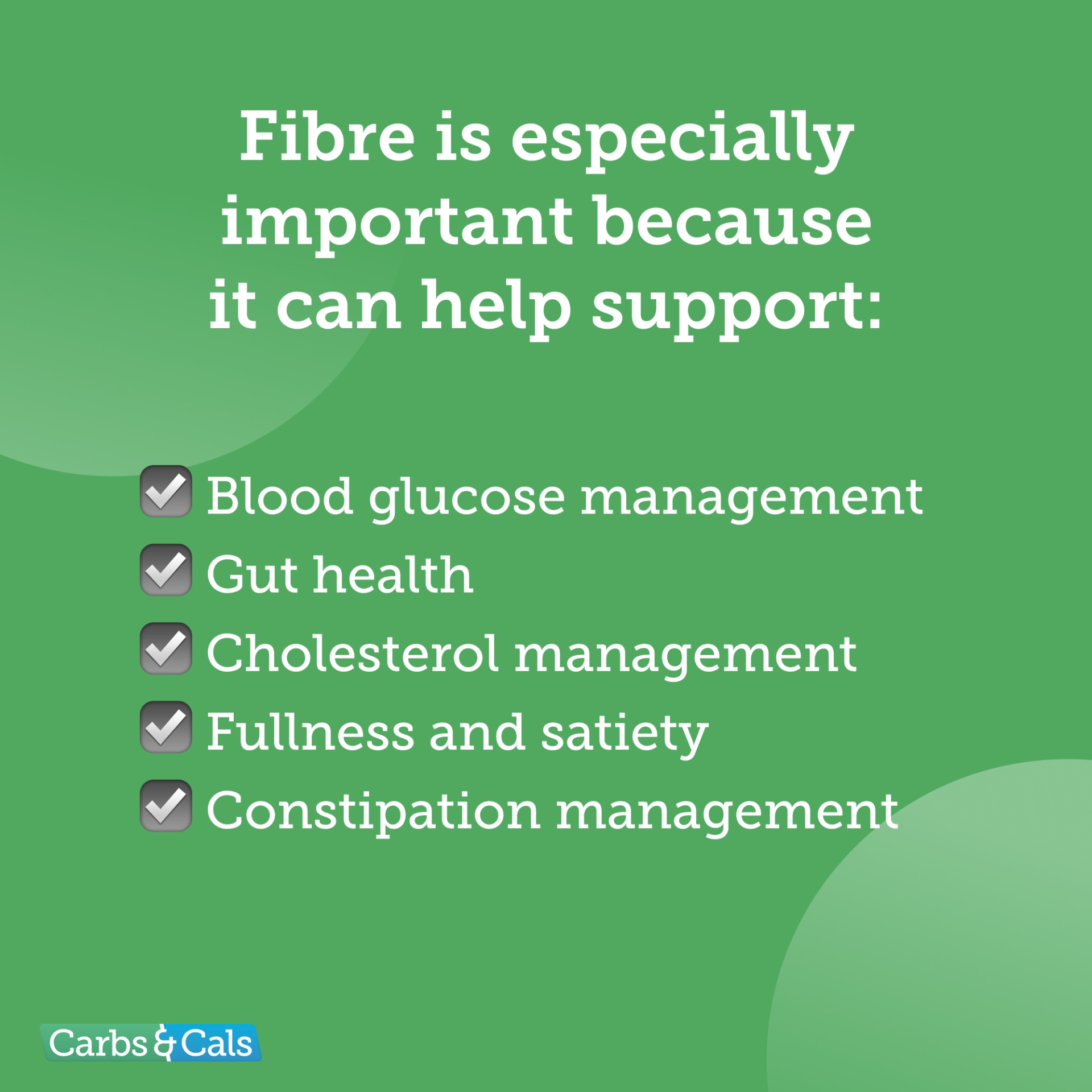
- Fibre remains important for blood glucose management, gut health and constipation management.
- Nutrients such as vitamin B12, iron, calcium, folate and vitamin D may become harder to obtain when eating less.
- Nutrient-dense foods such as Greek yoghurt, eggs, legumes, oats and oily fish can help maximise nutrition in smaller portions.
- Whole foods should remain the foundation of your diet, even as supermarkets launch GLP-1-focused convenience products.
- The Carbs & Cals app can help you track protein, fibre and carbohydrates more easily.
To learn even more, download our handy guide to GLP-1 Medications & Nutrition.
Frequently Asked Questions about GLP-1 medications and diet
What should I eat on GLP-1 medications?
Focus on nutrient-dense meals that provide protein, fibre, vitamins and minerals in smaller portions.
How much protein do I need on Ozempic or Mounjaro?
Expert guidance suggests around 1.2–1.6g of protein per kilogram of body weight daily for people using GLP-1 medications during weight loss.
Why is fibre important on GLP-1 medications?
Fibre supports gut health, blood glucose management and may help manage constipation — one of the most common GLP-1 side effects.
Can GLP-1 medications cause muscle loss?
Rapid weight loss can lead to loss of lean muscle mass if protein intake is too low.
Are “GLP-1 friendly” foods necessary?
No. Whole, minimally processed foods should still form the foundation of a healthy diet.
Final thoughts on GLP-1 Medications and Nutrition
GLP-1 medications are changing the way many people approach weight management and diabetes care.
But eating less successfully is not just about reducing calories.
It is about making every bite count nutritionally.
Prioritising protein, fibre and nutrient-dense whole foods can help support muscle mass, digestive health, blood glucose management and long-term wellbeing while using GLP-1 medications.
If you are unsure how to adapt your diet, consider speaking to your GP, diabetes care team or a registered dietitian for personalised support.
Disclaimer: This article is written for educational purposes only and does not replace personalised medical or dietetic advice
Want to learn more about GLP-1 Medications & Nutrition?
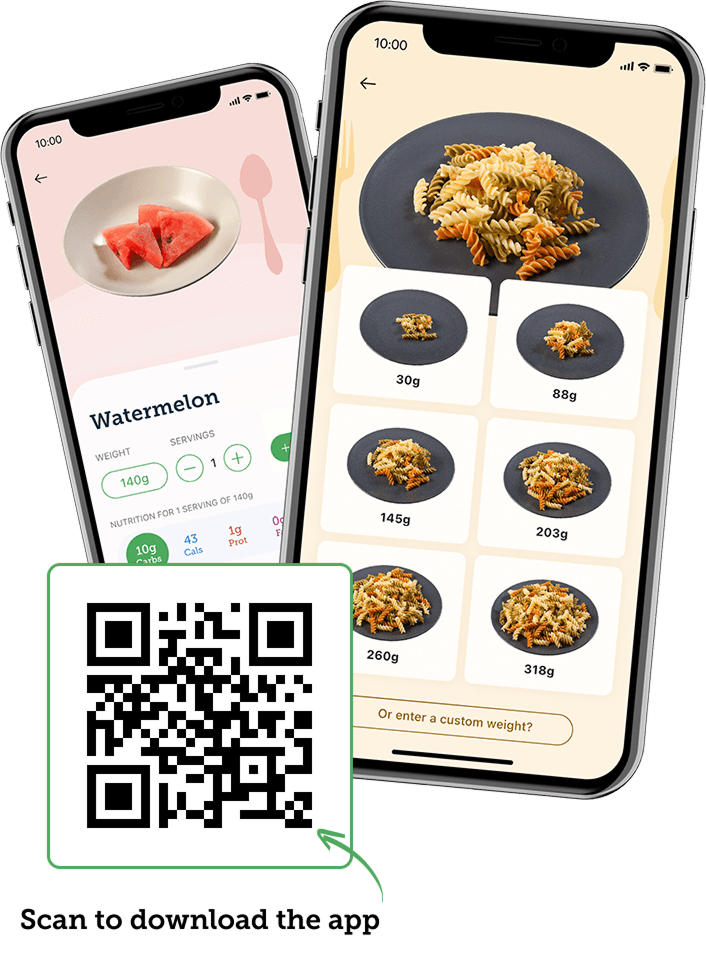
The Carbs & Cals app can help
Tracking nutrition can become more important when appetite is reduced, and meal sizes become smaller.
The Carbs & Cals app can help you:
- Track carbohydrates, protein, fibre, & more.
- Build nutrient-dense meals.
- Understand portion sizes visually.
- Support blood glucose management.
- Monitor your overall nutritional intake.
Carbs & Cals is designed and recommended by registered dietitians and helps make nutrition information easier to understand in real-world eating situations.


Want to Learn More?
Grab a Copy of Carb & Calorie Counter
The multi-award-winning Carb & Calorie Counter book is your definitive, expert-approved guide to carb and calorie counting.
- Over 1700+ high-quality food photos
- Up to six portion sizes per food
- At-a-glance carbs and key nutrients
- The Original #1 Bestseller
With the “Carb-Counting Bible”, a single flick of the page is all you need to plan nutritious, carb-counted meals.
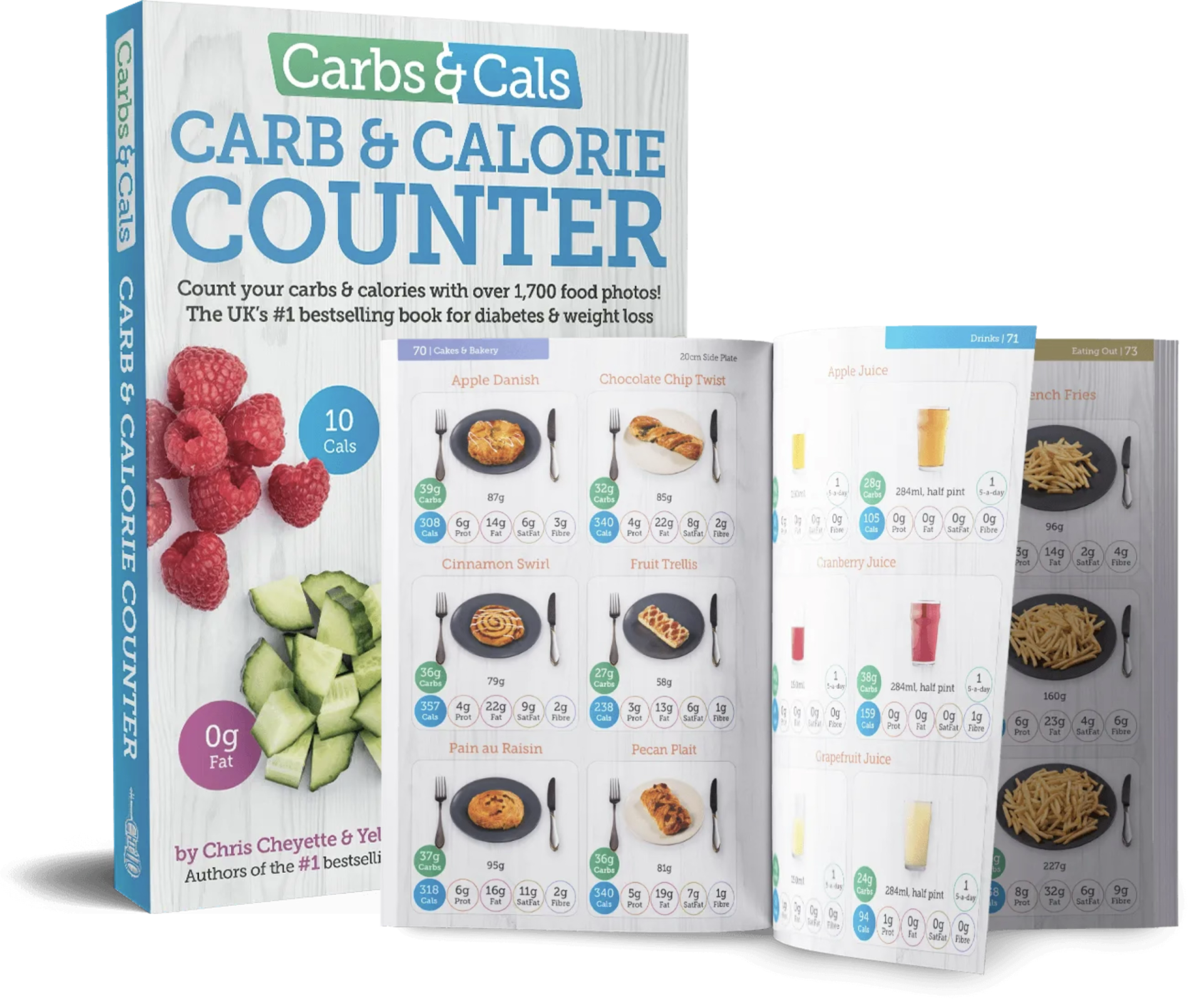
Contains hundreds of food photos that makes carb counting simple!
Sign up to the Carbs & Cals mailing list
Want to learn more about carb counting and the role of food in managing your health? Sign up to our mailing list!