Easter is a time for celebration, family, and, let’s be honest, plenty of chocolate. For people living with diabetes, particularly type 1 diabetes, this can bring both enjoyment and a few challenges. The good news? With the right knowledge and tools, Easter can be navigated confidently without missing out.
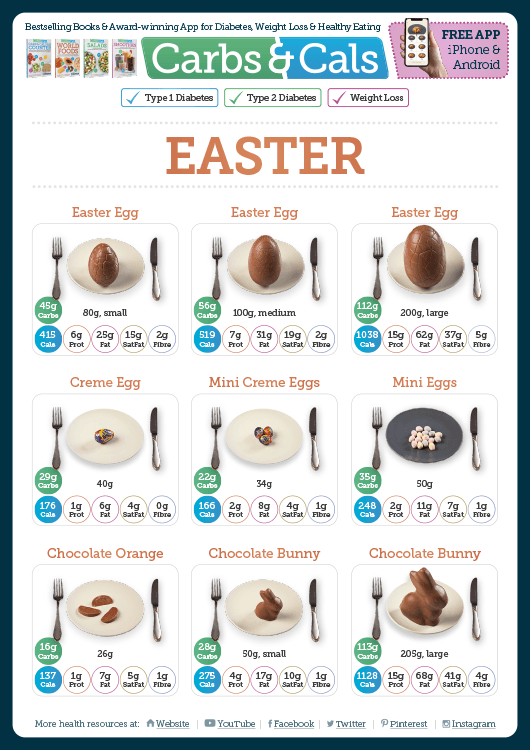
Using visual guides like our Easter PDF, which shows typical portion sizes and carbohydrate values for popular treats, can make carb counting easier and more practical in real-life situations.
Why carb counting at Easter matters (especially for type 1 diabetes)
For people with type 1 diabetes, carbohydrate counting is a cornerstone of daily management. This is because carbohydrate is the nutrient that has the greatest impact on blood glucose levels.
During Easter, carbohydrate intake often increases due to chocolate eggs, sweets, and seasonal foods like hot cross buns. Being able to estimate carbohydrate accurately allows you to adjust insulin doses appropriately and reduce the risk of both hyperglycaemia and hypoglycaemia.
For example, many popular Easter treats contain significant amounts of carbohydrate:
- A typical small chocolate egg portion (around 80g) may contain around 45g carbohydrate.
- A crème-filled chocolate egg can contain around 24–29g carbohydrate.
- Small portions of sweets (like jelly beans or mini eggs) can quickly add up.
This is where visual tools, like those in the Carbs & Cals Easter PDF, are particularly useful. They help translate abstract numbers into real-world portions, making it easier to estimate carbs on the go.
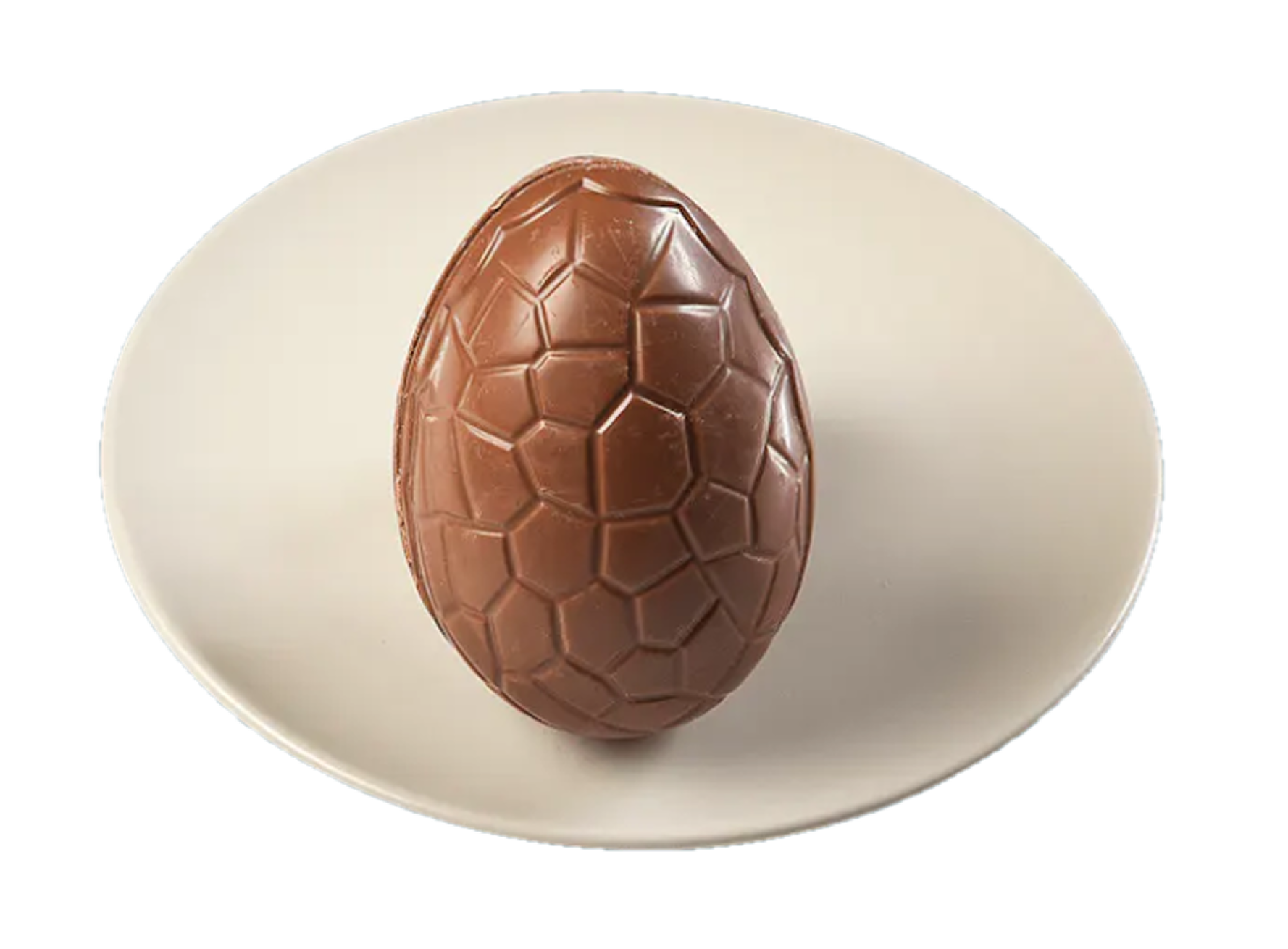
45g
Carbs
SammEaster Egg (small)
Weight = 8og
Carbs = 45g / Cals = 415
Protein = 6g / Fibre = 2g
Fat = 25g / SatFat = 15g

29g
Carbs
Cadbury Creme Egg
Weight = 4og
Carbs = 29g / Cals = 176
Protein = 1g / Fibre = 0g
Fat = 6g / SatFat = 4g
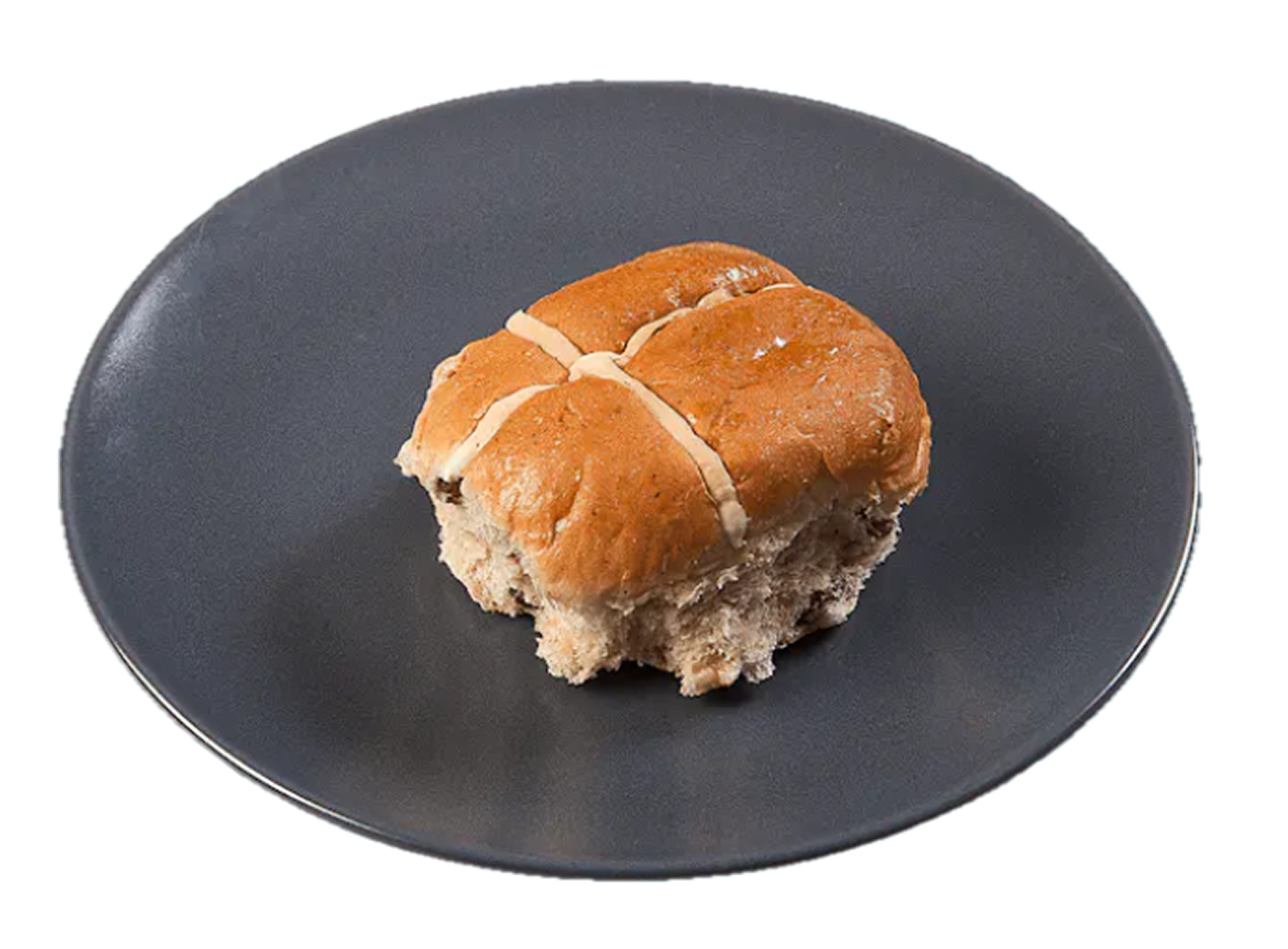
30g
Carbs
Hot Cross Bun
Weight = 51g
Carbs = 30g / Cals = 159
Protein = 4g / Fibre = 1g
Fat = 3g / SatFat = 1g
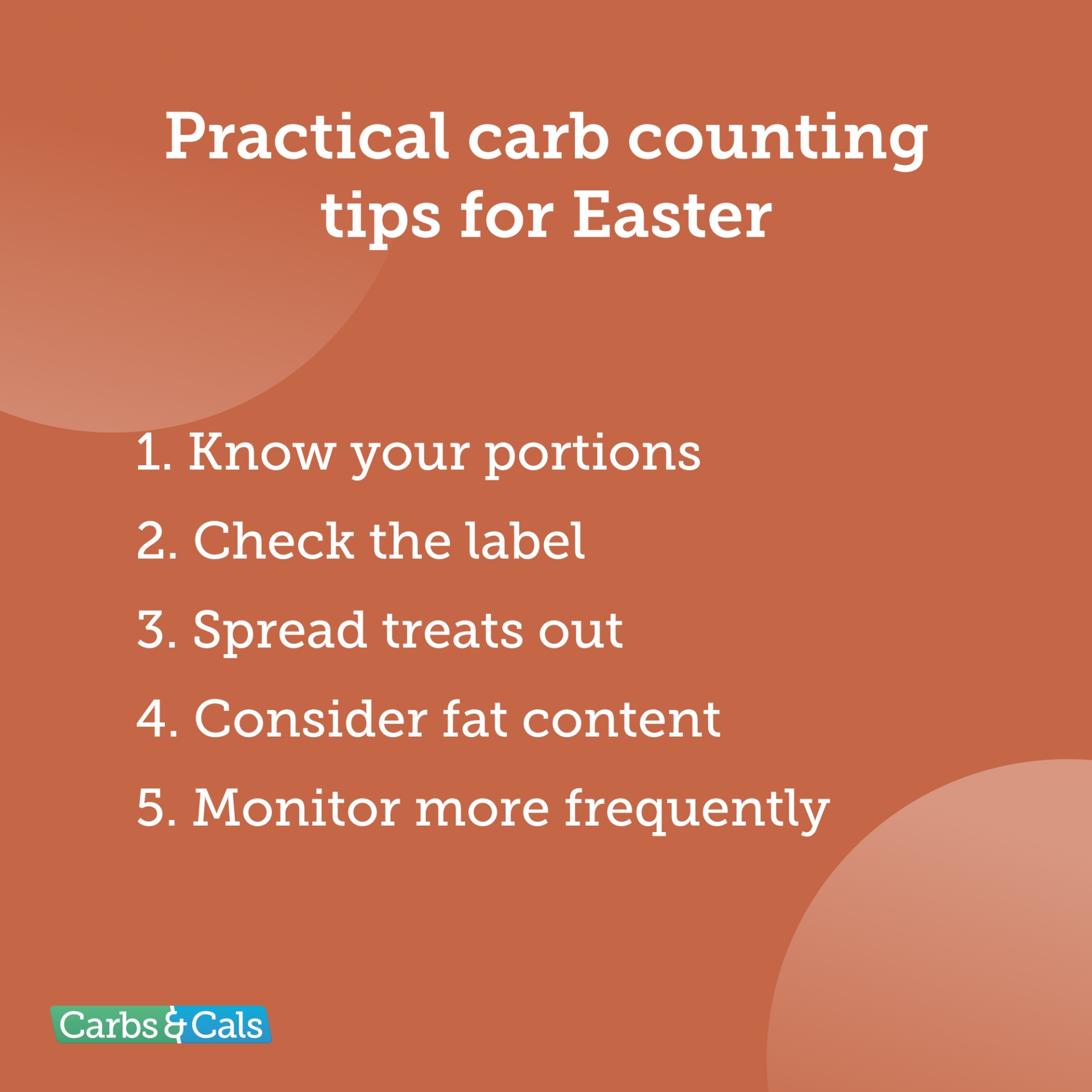
Practical carb counting tips for Easter
1. Know your portions
Instead of guessing, use visual references to understand what a portion looks like. Easter eggs are often hollow and vary in size, so weighing or comparing to known portions can help improve accuracy.
2. Check the label
UK food labelling provides carbohydrate values per 100g and per serving. For insulin dosing, focus on total carbohydrate (not just sugars).
3. Spread treats out
Eating large amounts of chocolate in one sitting can lead to significant glucose spikes. Spacing treats across the day, or even over several days, can help maintain more stable glucose levels.
4. Consider fat content
Chocolate is high in fat as well as carbohydrates. This can delay glucose absorption, meaning blood glucose may rise later than expected. Some people may need to take a higher amount of insulin due to the fat. You should speak with your diabetes team first if you are unsure how to do this.
5. Monitor more frequently
Easter routines are different; meals, activity levels, and snacks may vary. Checking glucose levels more often (or reviewing CGM data) helps you respond quickly and learn what works for you.
Don’t forget about activity
Easter may include more movement than usual, egg hunts, walks, or time outdoors. Physical activity increases insulin sensitivity, meaning you may need less insulin than usual.
Balancing food, insulin, and activity is key. If you’re more active than usual, watch for delayed hypoglycaemia, especially later in the day or overnight.
Can you still enjoy chocolate?
Absolutely. One of the most important messages from UK guidance is that people with diabetes can eat chocolate. It’s about moderation and balance, not restriction.
Rather than avoiding Easter treats altogether:
- Enjoy smaller portions.
- Choose quality over quantity.
- Be mindful of timing and insulin dosing.
It’s also worth noting that so-called “diabetic chocolate” is not recommended. These products still contain carbohydrates and can affect blood glucose, often with no clear benefit.
A note on type 2 diabetes
While this article focuses mainly on type 1 diabetes, many of the same principles apply to people with type 2 diabetes.
Carbohydrate intake still influences blood glucose levels, and being aware of portion sizes can support better control. Evidence suggests that the larger the carbohydrate intake, the greater the rise in blood glucose after eating.
However, carbohydrate counting is not always required in the same way as in type 1 diabetes. Instead, many people with type 2 diabetes benefit from:
- Consistent carbohydrate intake.
- Weight management strategies.
- Choosing higher-fibre, lower glycaemic index foods.
For those using insulin, carb awareness becomes more important and may resemble type 1 strategies.
Using the Carbs & Cals approach this Easter
The strength of Carbs & Cals lies in its simplicity and practicality. Using food photos and clear nutritional information helps bridge the gap between theory and real life.
At Easter, this means:
- Comparing your chocolate portion to a known reference.
- Estimating carbs quickly and confidently.
- Making informed decisions without overthinking.
This visual approach is particularly helpful in situations where food is shared, unlabelled, or portion sizes are unclear.
Aim for balance, not perfection
Easter is meant to be enjoyed. Occasional higher blood glucose levels are unlikely to have a long-term impact, especially when balanced with good overall diabetes management.
For people with type 1 diabetes, carb counting remains your most powerful tool. For those with type 2 diabetes, awareness and portion control play a key role. In both cases, knowledge, not restriction, is what enables you to enjoy Easter with confidence.
Download the Carbs & Cals Easter guide to see real-life portions and carbohydrate values for popular Easter treats, helping you make informed choices throughout the holiday.
Want to Count Carbs on the Go?
Download the Carbs & Cals Mobile App
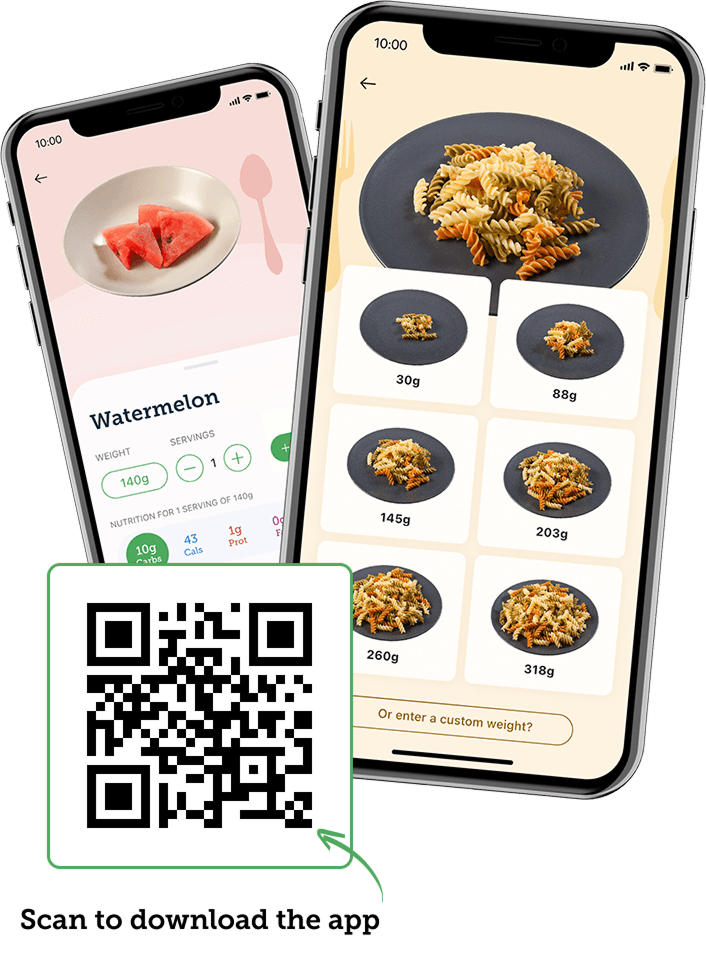
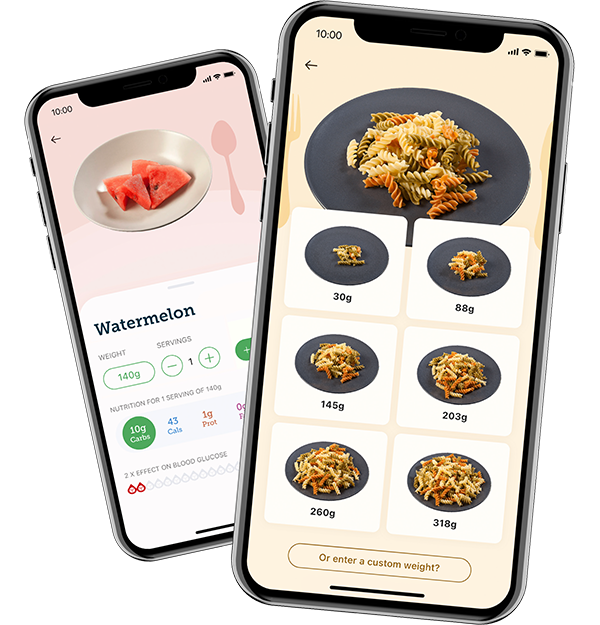
The award-winning Carbs & Cals mobile app is the only diet-tracking app that features food and drink photos.
- Search 272,000+ food & drink photos.
- Scan barcodes, snap labels or take a picture of the food on your plate with the Unified Food Scanner.
- Log meals and snacks with accurate carb and calorie info.
- Customise your nutrient view to focus on what matters most.
- Track your nutrients and set goals to stay on track.
At home or on the go, the Carbs & Cals app lets you count carbs and enjoy your food with confidence.


Want to Learn More?
Grab a Copy of Carb & Calorie Counter
The multi-award-winning Carb & Calorie Counter book is your definitive, expert-approved guide to carb and calorie counting.
- Over 1700+ high-quality food photos
- Up to six portion sizes per food
- At-a-glance carbs and key nutrients
- The Original #1 Bestseller
With the “Carb-Counting Bible”, a single flick of the page is all you need to plan nutritious, carb-counted meals.
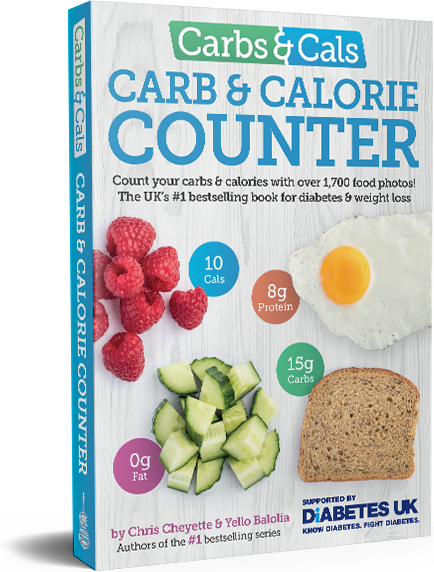
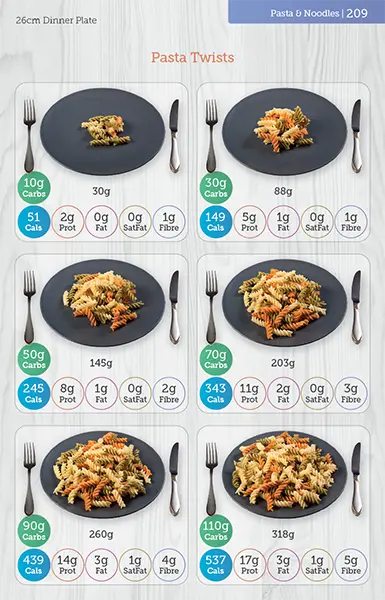
Contains hundreds of food photos that makes carb counting easy!
Sign up to the Carbs & Cals mailing list
Want to learn more about carb counting and the role of food in managing your health? Sign up to our mailing list!